Why the Form Matters
Ferrosilicon can be the same grade on paper (FeSi75 or FeSi72) yet behave quite differently depending on whether it is supplied as lumps, granules, fines, or powder. The form affects how fast it dissolves, how easy it is to handle, how much is lost as dust, and how accurately silicon can be adjusted.
Q1: Why Does the Form Matter if the Chemistry Is the Same?
Because form controls reaction speed and control. Big pieces melt slowly and steadily; small particles melt quickly and can spike the reaction if added too fast. Fines and powders are easier to lose during transport or feeding, while lumps are cleaner and simpler to manage.
Q2: Where Are Ferrosilicon Lumps Used Most Often?
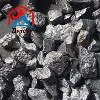
Lumps (often around 10-50 mm or 10-100 mm) are the workhorse for many steelmaking operations. They are commonly used when a stable, steady melt is preferred, the addition happens in a furnace or during tapping, dust and handling losses need to stay low, and the process does not require ultra-fine chemistry correction. Lump FeSi is forgiving: easy to store, easy to load, and less sensitive to moisture compared with finer forms.
Q3: What Are Granules Used For?
Granules (like 1-5 mm or 3-8 mm) are chosen when the process needs quicker dissolution and more control. Typical applications include ladle metallurgy where timing matters, steel refining steps requiring tighter silicon adjustment, foundry additions where fast mixing is useful, and automated feeding systems that work better with uniform granules.
Q4: When Do Fines Make Sense?
Fines (often 0-3 mm or similar) are used when fast reaction is needed, for example in certain foundry practices where a quick inoculation-style response is desired, or where feeding equipment is designed for smaller particles. The trade-off is that fines can create dust, causing loss during handling and sometimes poorer cleanliness if storage and loading are not well controlled.
Q5: What About Ferrosilicon Powder?
Powder is not the everyday choice for most steel plants, but it has strong value in specific applications: cored wire filling for controlled addition into molten steel, welding consumables and certain metallurgical powders, powder metallurgy applications, and specialized chemical or reduction processes. Powder offers fast reaction and precise dosing, especially when injected or used in wire form, but requires careful packing and dust management.
Frequently Asked Questions
Which form is best for furnace charging? Lumps, because they melt steadily and keep handling losses low.
When are granules preferred? When the process needs quicker dissolution and tighter control, such as ladle metallurgy and automated feeding.
What is ferrosilicon powder used for? Cored wire filling, welding consumables, powder metallurgy, and specialized reduction processes.
What size range is typical for ferrosilicon lumps? around 10-50 mm or 10-100 mm, used when a steady melt and low handling and dust loss are preferred during furnace charging or tapping.
When do ferrosilicon fines make sense? In foundry practices that need a quick inoculation-style response, or where feeding equipment is designed for small particles; fines around 0-3 mm fit those conditions but need dust control.