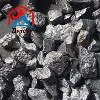
Quick Answer: Why Low Aluminum Ferrosilicon Matters in Steelmaking
Low aluminum ferrosilicon for steelmaking is relevant when a steel process needs silicon from FeSi but also requires tighter control of the aluminum entering the melt. Low-Al FeSi still performs the normal functions of ferrosilicon, including silicon addition and use in deoxidation, but places tighter control on Al introduced with the ferroalloy. This becomes more important in steelmaking routes where aluminum input, non-metallic inclusions or overall raw-material chemistry are controlled more closely.
Key Takeaways on Low Aluminum Ferrosilicon for Steelmaking
Ferrosilicon introduces more than silicon. Aluminum and other controlled elements in FeSi also enter the steelmaking system.
Low-Al FeSi does not change the basic role of ferrosilicon. Silicon addition and deoxidation remain its main metallurgical functions.
The key difference is aluminum control. A defined maximum Al level reduces one source of chemistry variation from the ferroalloy addition.
Not every steelmaking route requires low-Al FeSi. Standard ferrosilicon may already be suitable when its aluminum level meets the approved process requirement.
"Low aluminum" is not a complete specification. The Si grade, maximum Al, relevant impurities, particle size and batch chemistry still need to be confirmed.
Ferrosilicon is added to steel mainly because of its silicon content. But the alloy also carries aluminum and other controlled elements into the metallurgical system.
For many steelmaking routes, this secondary chemistry may already fall within acceptable limits. The issue changes when a steel grade or refining route requires tighter control of aluminum input or non-metallic inclusions. At that point, the Al content of FeSi becomes part of the raw-material decision.
So when does low aluminum ferrosilicon for steelmaking actually matter? The answer starts with understanding why aluminum introduced with FeSi can become relevant to the steelmaking process.

Why Does Aluminum in Ferrosilicon Matter in Steelmaking?
A steel plant may purchase ferro silicon primarily according to its silicon grade, but Si is not the only element entering the melt with the alloy. Aluminum contained in industrial FeSi also contributes to the total chemistry entering the steelmaking system.
This does not mean aluminum in ordinary ferrosilicon is automatically harmful. In many processes, the normal Al level of the approved FeSi grade may already be acceptable. It becomes a more important control point when the steelmaking route has a defined aluminum requirement or tighter inclusion-control target.
Ferrosilicon Composition Includes More Than Silicon
Ferrosilicon specifications can include controlled values for Al and other elements in addition to Si. Depending on the grade and purchasing requirement, C, P, S, Ca or other elements may also be considered.
The important point is not that every element has equal importance in every application. It is that two FeSi materials with similar nominal silicon content may still introduce different secondary chemistry into the steelmaking process.
Aluminum from FeSi Becomes Part of the Steelmaking Chemistry
When FeSi is added to molten steel, the aluminum present in the alloy also enters the metallurgical system. If the process uses a defined aluminum window, this contribution has to be considered together with other aluminum sources.
That is where low Al FeSi becomes meaningful. The steelmaker is not simply asking for a more expensive or "purer" alloy. The objective is to keep one incoming Al source within a defined limit when that limit matters to the process.
Low-Al Ferrosilicon Can Matter to Aluminum Oxide Inclusion Control
Aluminum can participate in the formation of aluminum-containing oxides such as Al2O3. Under some metallurgical conditions, Al-containing oxide systems can become part of the non-metallic inclusion population that the steelmaker is trying to manage.
For steelmaking routes with stricter cleanliness requirements, raw-material chemistry therefore becomes part of the wider inclusion-control strategy. Reducing unnecessary Al input from FeSi can be useful when aluminum is already a controlled variable.
However, low-Al ferrosilicon should not be treated as a guarantee of lower inclusion levels or better final steel quality. Inclusion behavior also depends on deoxidation practice, refining conditions, slag chemistry, alloy addition sequence and other process variables.
Its role is more specific: low-Al FeSi gives the steelmaker tighter control over the aluminum introduced with the ferroalloy.
What Changes When Low-Al Ferrosilicon Is Used in Steelmaking?
The metallurgical role of ferro silicon does not fundamentally change when a low-Al grade is used. Low-Al FeSi remains a silicon-bearing ferroalloy. The main change is that aluminum becomes a more tightly controlled part of the alloy specification.
Low-Al Ferrosilicon Still Provides Silicon and Deoxidation Functions
Low aluminum ferrosilicon can still provide silicon for composition adjustment and be used within the normal steelmaking deoxidation route. The term "low aluminum" describes an additional chemistry-control requirement rather than a completely different alloy function.
For a broader explanation of ordinary ferro silicon functions, see our FeSi75 for steelmaking guide.
The difference in an Al-sensitive process is that the plant is considering two questions at the same time: how much silicon the FeSi introduces and how much aluminum enters with the same addition.
Low-Al FeSi Makes Aluminum Input More Controlled
The practical value of low-Al FeSi is better described as controlled aluminum input rather than a vague claim of "high purity."
When a maximum Al level is defined in the material specification and each applicable batch is checked against that requirement, the aluminum contribution from FeSi becomes more predictable from batch to batch.
This can support a process that already requires tighter chemistry control. It does not mean that reducing Al in FeSi automatically improves every steel property or every downstream production result.
Where Is Low-Al Ferrosilicon Most Relevant in Steelmaking?
Low-Al FeSi becomes most relevant where the steelmaking route manages raw-material chemistry and non-metallic inclusions more closely than a general-purpose process.
The reason for using it should therefore come from the steel or refining requirement, not simply from the assumption that a lower-aluminum alloy is always better.
Low Aluminum Ferrosilicon for Electrical Steel
Electrical steel is one application where tighter control of raw-material chemistry and non-metallic inclusions can make the aluminum level of ferro silicon more relevant.
When the process needs silicon addition but also places tighter limits on aluminum input, low aluminum ferrosilicon for electrical steel allows the silicon requirement and the Al contribution from the ferroalloy to be controlled separately.
The reason to consider low-Al FeSi here is chemistry control. It should not be described as guaranteeing better magnetic performance by itself.
Low-Al FeSi for Stainless, Special and Clean Steel
Selected stainless, special and clean-steel routes can also use tighter raw-material specifications when impurity input and inclusion behavior are closely managed.
In these situations, low-Al FeSi may become relevant when the plant wants to introduce the required silicon while limiting additional aluminum from the ferroalloy.
This does not mean every stainless steel or special steel grade requires low-aluminum ferrosilicon. The need depends on the approved steel chemistry, refining route and inclusion-control requirement used by the plant.
When Does a Steel Plant Actually Need Low-Al FeSi?
A steel plant does not need low-Al ferrosilicon simply because it is a specialty grade. If standard FeSi already satisfies the approved aluminum and impurity requirements, there may be no technical reason to replace it.
Tighter aluminum control becomes more relevant when:
- the steelmaking specification defines a tighter maximum Al contribution from ferroalloys;
- the refining route requires closer management of aluminum-containing non-metallic inclusions;
- raw-material impurity input is more tightly controlled for electrical, selected special or clean-steel production;
- or the Al content of the standard FeSi available to the plant cannot consistently meet the approved requirement.
The decision should therefore start with the metallurgical problem. If there is no defined reason to reduce aluminum input, specifying a low-Al grade may add another purchasing requirement without solving an actual process issue.
Does your steelmaking process really require low-Al FeSi?
If your steel grade has a defined aluminum limit or stricter inclusion-control requirement, we can review the application information with you before a low-Al ferro silicon specification is confirmed.
What Should Be Confirmed Before Low-Al FeSi Is Used?
"Low aluminum ferrosilicon" alone is not a complete technical specification. Before material is confirmed for a steelmaking application, the required Si grade and maximum Al level should be defined.
If other elements are important to the steel process, the relevant impurity limits should also be included. The particle size should match the actual charging method, while the applicable batch chemistry should be checked through the COA or agreed test report.
At ZhenAn, we prefer to confirm the required Si grade, aluminum limit, particle size and batch chemistry with you before recommending a low-Al FeSi specification. This keeps the material requirement connected to the actual steelmaking process rather than only to a product name.
For the commercial product information, see our low aluminum ferrosilicon specifications .
Low Aluminum Ferrosilicon for Steelmaking FAQ
Q: Why Is Aluminum Content Important in Ferrosilicon for Steelmaking?
A: Aluminum contained in FeSi also enters the steelmaking system with the alloy addition. When the steel grade or refining route requires tighter aluminum or inclusion control, the Al level of ferrosilicon becomes an important raw-material variable.
Q: Does Every Steel Plant Need Low-Aluminum Ferrosilicon?
A: No. Standard ferrosilicon may be suitable when its aluminum content already meets the approved process specification. Low-Al FeSi becomes more relevant when the plant needs tighter control of aluminum input or non-metallic inclusions.
Q: What Steelmaking Applications Are More Sensitive to Aluminum in FeSi?
A: Low-Al FeSi can be more relevant in electrical steel and selected stainless, special or clean-steel routes where raw-material chemistry and inclusion control are managed more closely. The actual need depends on the plant's steelmaking specification.
Q: Does Low-Al Ferrosilicon Still Work as a Deoxidizer?
A: Yes. Low-Al ferrosilicon retains the normal functions of FeSi, including silicon addition and use in steelmaking deoxidation. The main difference is tighter control of the aluminum introduced with the alloy.
Q: What Should Be Confirmed Before Ordering Low-Al FeSi for Steelmaking?
A: Confirm the required Si grade, maximum Al level, other controlled chemistry where relevant, particle size and the batch COA or test report used for verification. "Low aluminum ferrosilicon" alone is not a complete specification.
Need to Confirm Low-Al FeSi for Your Steelmaking Process?
Send your target Si grade, maximum Al requirement and steelmaking application. We can help you confirm the corresponding ferro silicon specification and batch chemistry before quotation.
Confirm Low-Al FeSi Specification