


Silicon Metal
Silicon Metal Supplier & Manufacturer in China
We supply silicon metal from China in 553, 441, 3303, 2202, 1101 and 421 grades for aluminum alloy, silicone chemical, metallurgical and other industrial applications.
Silicon metal can be supplied as lumps, granules or powder according to your required grade, Fe/Al/Ca limits and particle size. Batch COA, export packing and SGS or BV inspection support are available for confirmed orders.
Send us your required grade, chemical limits, size, quantity and destination port to confirm current availability and the corresponding FOB, CFR or CIF quotation.
Silicon Metal Supply at a Glance
| Supply Item | Available Options |
| Main Grades | 553 / 441 / 3303 / 2202 / 1101 / 421 |
| Product Form | Lumps / Granules / Powder |
| Regular Lump Size | 10–50 mm / 10–100 mm |
| MOQ | 1 MT |
| Quality Documents | Batch COA and agreed shipment documents |
| Inspection Support | SGS / BV onsite sampling and inspection can be arranged where required |
| Packing | 1 MT jumbo bags or confirmed customized export packing |
| Trade Terms | FOB / CFR / CIF |
Available Silicon Metal Grades
Choose the grade you need to view its specification and supply details. If you already use a fixed specification, you can also send us your current specification or COA for chemistry and particle-size matching.
Not sure which grade matches your current material? Send us the required Si, Fe, Al and Ca limits together with the size and quantity. We can compare the available silicon metal specification before quotation.
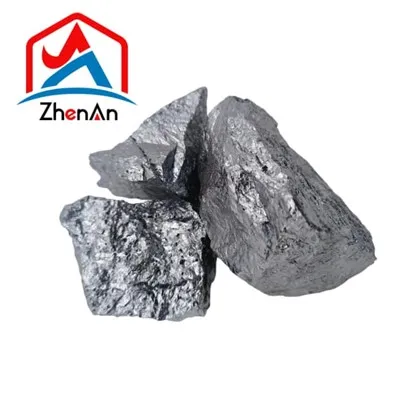


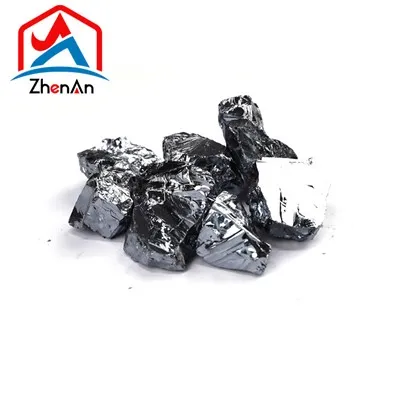


Silicon Metal 553 and 441
Silicon Metal 553 and 441 are two of our main commercial grades. If your purchasing specification already defines the required Si, Fe, Al and Ca limits, use those values as the basis for grade and batch matching rather than comparing the grade name alone.
You can review the available product specification below or send us your current specification or COA for comparison before quotation.
| Grade | What to Confirm | Available Supply Form | Specification |
| Silicon Metal 553 | Required Si, Fe, Al and Ca limits, particle size and batch COA | Lumps and other confirmed forms | View Silicon Metal 553 |
| Silicon Metal 441 | Required Si, Fe, Al and Ca limits, particle size and batch COA | Lumps and other confirmed forms | View Silicon Metal 441 |
If your required impurity limits are lower than the available 553 or 441 specification, you can also review our Silicon Metal 3303, Silicon Metal 2202 and Silicon Metal 1101 product pages.
Silicon Metal Lumps, Granules and Powder
We supply silicon metal in different forms and particle-size ranges according to your handling, feeding and production requirements. Confirm the required form together with the grade when requesting a quotation.
| Product Form | Available Size | Order Information |
| Silicon Metal Lumps | 10–50 mm / 10–100 mm | Confirm grade, chemistry limits and required lump-size range |
| Silicon Metal Granules | 1–10 mm / 3–10 mm or confirmed range | Confirm feeding method and required particle-size range |
| Silicon Metal Powder | 45–325 mesh according to confirmed requirement | Confirm mesh, chemistry, quantity and packing before quotation |
For more detail on product form and particle-size selection, see our silicon metal lumps vs granules guide.
Silicon Metal Manufacturing and Supply Capability
For silicon metal orders, we support factory-side supply, specification matching, batch checking, export packing and shipment coordination. You can purchase standard commercial grades or send an existing specification for material matching.
| Supply Capability | Current Support |
| Main Grades | 553 / 441 / 3303 / 2202 / 1101 / 421 |
| MOQ | 1 MT |
| Bulk Orders | Container and repeat-order supply can be arranged according to grade and current availability |
| Specification Matching | Your existing specification or COA can be used to compare chemistry and particle-size requirements |
| Batch Control | Chemical composition, particle size and agreed batch information can be checked before shipment |
| Company Supply Scale | 150,000+ MT annual production and sales across our core ferroalloy and metallurgical material business |
Silicon metal availability varies by grade, specification and order quantity. Send us the required grade and quantity so we can confirm the current supply condition before quotation.
Silicon Metal Quality, COA and Inspection
For your silicon metal order, we can confirm chemical composition, particle-size range, batch information and agreed inspection requirements before shipment.
| Quality Item | What We Can Confirm |
| Chemical Analysis | Si, Fe, Al, Ca and other agreed elements according to the confirmed specification |
| Batch COA | COA can be provided according to the shipment batch and agreed specification |
| Particle Size | Required size range can be confirmed before packing and shipment |
| Lot Identification | Batch and packing information can be matched for shipment traceability |
| Third-Party Inspection | SGS or BV onsite sampling and inspection can be arranged where required |
If you need to review a supplier COA before placing an order, see our silicon metal COA inspection checklist.

Silicon Metal Export Supply from China
We support silicon metal export orders from China with export packing, shipment documents, inspection coordination and FOB, CFR or CIF quotations. For your import order, provide the destination port and preferred delivery term together with the product specification.

| Export Item | Available Support |
| Packing | 1 MT jumbo bags or confirmed customized export packing |
| Bag Marks | Product name, grade, lot information, weight and other agreed shipping marks |
| Documents | COA, commercial invoice, packing list and agreed shipment documents |
| Inspection | Chemical composition, size, weight, packing and loading inspection can be arranged where required |
| Trade Terms | FOB / CFR / CIF |
| Export Port | Shipment can be arranged through Tianjin Port according to the confirmed order and logistics plan |
For more detail on moisture protection, bag marks and loading preparation, see our silicon metal export packing guide.
Silicon Metal Price and Quotation Factors
There is no single silicon metal price for every order. Your quotation depends on the confirmed grade, chemistry, product form, particle size, order quantity, packing, destination and delivery term.
| Quotation Factor | Information to Provide |
| Grade | 553 / 441 / 421 / 3303 / 2202 / 1101 |
| Chemical Specification | Required Si, Fe, Al, Ca and other controlled values |
| Form and Size | Lumps, granules or powder with required particle-size range |
| Order Quantity | Trial order, container quantity or repeat demand |
| Packing | Standard jumbo bags or confirmed customized packing |
| Destination | Destination country and port |
| Trade Term | FOB / CFR / CIF |
| Inspection Requirement | Any required third-party sampling, inspection or shipment verification |
If you are still selecting the grade, review our silicon metal grade selection guide before requesting a quotation.
Why Source Silicon Metal from ZHENAN?
For silicon metal procurement, we focus on specification matching, batch consistency, export preparation and repeat-order supply rather than only forwarding a market price.
| Capability | ZHENAN Support |
| Industry Experience | Metallurgical material supply since 1993 |
| Production & Supply | Factory-side supply supported by our production bases and metallurgical material supply chain |
| Testing | In-house testing capability for batch and specification control |
| Business Scale | 150,000+ MT annual production and sales across our core ferroalloy and metallurgical material business |
| Inspection Support | SGS / BV onsite sampling and inspection can be arranged where required |
| Export Experience | Metallurgical materials supplied to customers in 100+ countries |
Related Silicon Metal Guides
Use these guides when you need more detail on grade selection, product form, COA, packing or import documentation:
- Silicon Metal 1101 vs 2202 vs 3303 — compare lower-impurity grade options.
- Silicon Metal COA Inspection Checklist — review batch chemistry and shipment information.
- Silicon Metal Lumps vs Granules — compare product form and particle-size requirements.
- Silicon Metal Packing and Loading Guide — review export packing and loading preparation.
- Silicon Metal HS Code and Export Documents — review HS Code 2804.69 and common shipment documents.
FAQ About Silicon Metal Supply
What silicon metal grades do you supply?
We supply Silicon Metal 553, 441, 3303, 2202, 1101 and 421. Send us your required Si, Fe, Al and Ca limits if you need to match an existing specification.
What is the MOQ for silicon metal?
Our regular MOQ is 1 MT. For container or repeat orders, send us the required grade and quantity so we can confirm current availability and quotation.
Do you supply silicon metal lumps?
Yes. Regular silicon metal lump sizes include 10–50 mm and 10–100 mm. Granules and powder are also available according to confirmed order requirements.
Can you match my existing silicon metal specification?
Yes. Send us your current specification or COA together with the required grade and particle size. We can compare the available material on the same chemistry and size basis before quotation.
Can you provide COA and third-party inspection?
Batch COA can be provided according to the confirmed specification. SGS or BV onsite sampling and inspection can also be arranged where required.
Can you export silicon metal from China?
Yes. We support export packing, shipment documents and FOB, CFR or CIF quotations. Send us your destination port so we can confirm the appropriate delivery basis.
What information do you need for a silicon metal quotation?
Send us the required grade, Si/Fe/Al/Ca limits, product form, particle size, quantity, packing requirement, destination port, preferred delivery term and any inspection requirement.
Get a Silicon Metal Quote
Send us the silicon metal grade, Si/Fe/Al/Ca limits, form, particle size, quantity and destination port. We will confirm the available specification and prepare the corresponding FOB, CFR or CIF quotation.
If you already purchase Silicon Metal 553, 441, 3303, 2202 or 1101, you can also send your current specification or COA for direct material comparison.