


Ferro Vanadium
Ferro Vanadium Supplier for FeV40, FeV50, FeV60 & FeV80
ZhenAn supplies FeV40, FeV50, FeV60 and FeV80 ferro vanadium for steelmaking and alloy production. Different grades provide different vanadium concentrations, allowing the FeV specification to be matched to the required steel chemistry and production needs.
Browse the ferro vanadium products below to compare available grades, chemical specifications and particle sizes. If you already have a purchasing specification, you can also send it to us for grade matching and quotation.
Available Ferro Vanadium Grades

Ferro Vanadium 40
V: 38–45%

Ferro Vanadium 50
V: 48–55%

Ferro Vanadium 60
V: 55–65%

Ferro Vanadium 80
V: 75–85%


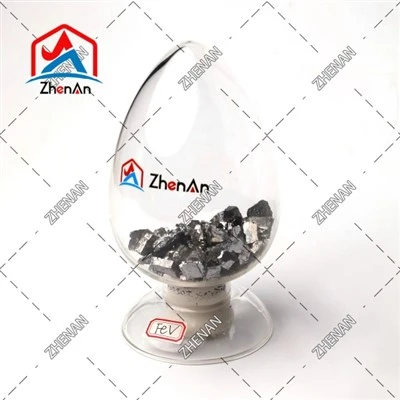
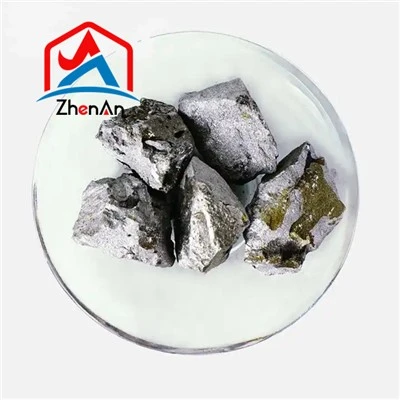

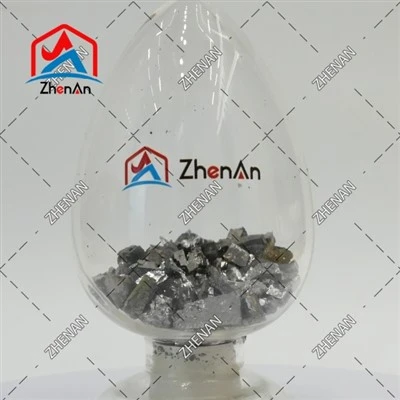


Ferro Vanadium Grades and Specifications
Ferro vanadium is available in different grades according to vanadium content and impurity requirements. ZhenAn currently supplies FeV40, FeV50, FeV60 and FeV80 for different steelmaking and alloying requirements.
Use the specification table below to compare vanadium content, major impurity limits and available particle sizes. The final grade should be selected according to the required steel chemistry and your existing alloy addition practice.
| Products | |
|
|
|
| Grade | FeV40 | FeV50 | FeV60 | FeV80 |
| Vanadium (V) | 38–45% | 48–55% | 55–65% | 75–85% |
| Carbon (C) | ≤0.6% | ≤0.6% | ≤0.5% | ≤0.5% |
| Silicon (Si) | ≤2.0% | ≤2.0% | ≤1.5% | ≤1.5% |
| Aluminum (Al) | ≤2.5% | ≤2.5% | ≤2.0% | ≤2.0% |
| Common Particle Sizes |
|
|||
If you already use a specific FeV grade, compare the required V range, impurity limits and particle size with your current specification before changing material or supplier.
How to Choose the Right Ferro Vanadium Grade
Choosing between FeV40, FeV50, FeV60 and FeV80 should start with the required vanadium addition and steel specification rather than simply selecting the grade with the highest vanadium content.
Required Vanadium Content
A higher-V ferro vanadium grade generally requires less alloy weight to introduce the same theoretical amount of vanadium. However, the suitable grade also depends on the required steel chemistry and existing alloying practice.
Impurity Limits
Compare carbon, silicon, aluminium and other specified impurity limits with the requirements of the steel being produced. The FeV grade name alone is not enough to confirm whether a material fits the specification.
Particle Size
Particle size should match the plant's handling and alloy addition method. When changing material or supplier, confirm that the proposed particle-size range is suitable for the existing process.
Existing Steelmaking Practice
Addition timing, dissolution conditions and actual vanadium recovery can influence FeV consumption. A grade used successfully in one production route should not automatically be treated as the best option for another.
For a more detailed comparison of higher- and lower-V grades, see our FeV50 vs FeV80 for steelmaking guide covering vanadium concentration, alloy addition and effective cost.
Ferro Vanadium for Steelmaking
Ferro vanadium is used as a vanadium-bearing alloy addition when vanadium forms part of the required steel chemistry. The suitable FeV grade and addition amount depend on the steel specification and production route.
If you need more detail on addition timing, dissolution and effective vanadium input, see our guide to ferro vanadium addition in steelmaking.
Structural and HSLA Steel
Ferro vanadium is used in structural and high-strength low-alloy steels when controlled vanadium microalloying forms part of the steel design.
The required FeV grade should be matched to the target chemistry and existing steelmaking process.
01
Pipeline Steel
Vanadium-bearing steel grades may be used in pipeline applications where strength and controlled microalloying are required.
FeV selection should consider the steel specification, impurity limits and alloy addition practice.
02
Tool and Alloy Steel
Ferro vanadium can also be used in tool and alloy steels when vanadium forms part of the required alloy composition.
For tighter chemistry windows, vanadium content and impurity limits should be confirmed carefully.
03
Other Vanadium-Alloyed Steels
Ferro vanadium can be considered for other steel grades where vanadium is specified as an alloying or microalloying element.
The application name alone should not be used to determine the required FeV grade.
04
Ferro Vanadium Market: Supply and Demand Factors
The ferro vanadium market is mainly influenced by steel production, vanadium raw material availability, alloy demand, inventory levels and regional purchasing conditions. Because ferrovanadium is primarily consumed in vanadium-alloyed and microalloyed steels, changes in steel production can directly affect demand.
Steel Production and Alloy Demand
Demand for ferro vanadium is closely linked to the production of HSLA steel, structural steel, pipeline steel, tool steel and other vanadium-bearing steel grades. When steel mills increase production, restock alloys or adjust raw-material inventories, ferrovanadium purchasing activity can change accordingly.
Vanadium Raw Material Supply
The availability and cost of vanadium-bearing raw materials affect ferrovanadium production conditions. Upstream materials such as vanadium pentoxide (V2O5) form part of the wider vanadium supply chain, so changes in raw-material availability, processing costs and production rates can influence ferro vanadium availability and quotation levels.
Regional Market Conditions
Ferrovanadium alloy market conditions can differ between China, Europe and other importing regions because steel output, inventory, logistics costs, currency movement and trading activity are not the same in every market.
Market Trend vs Purchase Price
Market trends are useful for understanding the general direction of supply and demand, but they should not be treated as a final purchase quotation. The actual price for an order still depends on the required FeV grade, chemical specification, particle size, quantity, packing and delivery terms.
What Affects Ferro Vanadium Price?
There is no single ferro vanadium price that applies to every order. FeV40, FeV50, FeV60 and FeV80 should be quoted according to the confirmed grade, vanadium content, impurity limits, particle size, quantity, packing and delivery basis.
| Price Factor | How It Affects the Quotation |
| FeV Grade | FeV40, FeV50, FeV60 and FeV80 contain different levels of vanadium and should be compared on the same grade and specification basis. |
| Vanadium Content and Impurities | Required V content and limits for carbon, silicon, aluminium and other specified elements can affect material selection and production requirements. |
| Vanadium Market | Changes in upstream V2O5 prices and ferrovanadium market conditions can affect the cost basis of new quotations. See our international vanadium pentoxide price update for the latest V2O5 market reference. |
| Particle Size | Standard sizes such as 10–50 mm and 10–100 mm may have different processing requirements from customized particle-size ranges. |
| Order Quantity | Trial orders and bulk orders have different production, handling, packing and logistics cost structures. |
| Packing | Steel drums, jumbo bags and customized export packing can affect the final quotation. |
| Delivery Term | EXW, FOB and CIF quotations include different logistics and delivery costs, so prices should be compared on the same Incoterm basis. |
When comparing ferro vanadium prices from different suppliers, first confirm that the grade, chemical specification, particle size, packing and Incoterm are the same. A lower quoted price is not directly comparable if the specification or delivery basis is different.
Purchase price alone also does not always represent the effective alloying cost. For a deeper comparison, see our guide to ferro vanadium cost in steel production.
Get a Ferro Vanadium Quote by Grade
Need a quotation for FeV40, FeV50, FeV60 or FeV80? Send us your required grade, vanadium content, particle size, quantity, packing and destination. We can confirm the specification first and prepare a quotation according to the actual order requirements.
If you are comparing ferro vanadium suppliers, you can also send your current specification or COA so that the available material can be compared on the same chemistry and particle-size basis.
Ferro Vanadium Particle Size and Supply Form
Ferro vanadium can be supplied in different particle-size ranges to match handling and alloy addition requirements.
- 10–50 mm
- 10–100 mm
- Customized sizes according to confirmed requirements
Particle size can influence material handling and dissolution behavior after addition to molten steel. Instead of treating one size range as suitable for every process, specify the size required by your existing alloy addition method.
When requesting a quotation, provide both the required FeV grade and particle-size range.

Ferro Vanadium Quality and Batch Control
For repeat steelmaking orders, ferro vanadium should be evaluated by more than the nominal FeV grade. Chemical composition, particle size and batch consistency should be checked against the agreed purchasing specification.
Chemical Composition
Confirm the required vanadium range together with the agreed limits for carbon, silicon, aluminium and any other specified elements.
Particle Size Consistency
Consistent particle size helps maintain more repeatable material handling and alloy addition conditions between batches.
Batch Documentation
Where required for the order, chemical analysis records, batch documentation or other agreed inspection information can be confirmed before shipment.
Specification Matching
If you are replacing an existing ferro vanadium material, provide the current specification so that the proposed FeV grade can be compared on the same chemistry and particle-size basis.
If alloy consumption or vanadium recovery differs from the expected level, review our guide to ferro vanadium recovery and the process factors that can affect effective vanadium addition.
Packing and Supply Information
Ferro vanadium packing should be confirmed according to product form, shipment quantity and handling requirements.
- 1 ton jumbo bags
- Steel drums
- Customized export packing where required
For quotation, provide the required FeV grade, particle size, quantity, destination and any specific packing or inspection requirements.
Why Choose ZhenAn as Your Ferro Vanadium Supplier
ZhenAn has supplied metallurgical and ferroalloy products since 1993. For ferro vanadium orders, we focus on confirming the required grade, chemical specification, particle size, packing and inspection requirements before quotation and shipment.
If you are replacing an existing FeV supplier, your current specification can be used as the basis for product comparison.

30,000 m²
Factory area
150,000 Tons
Annual production and sales capacity
30+ Years
Metallurgical product supply experience
Related Ferro Vanadium Guides
If you are comparing FeV grades, reviewing ferro vanadium performance or checking the relationship between upstream vanadium raw materials and alloy prices, the following guides provide more detailed information:
- FeV50 vs FeV80 for Steelmaking — compare vanadium concentration, alloy addition and effective cost.
- Ferro Vanadium Addition in Steelmaking — learn how FeV addition, dissolution and recovery relate to the steelmaking process.
- Low Ferro Vanadium Recovery — review process factors that can reduce effective vanadium recovery.
- Ferro Vanadium Cost in Steel Production — understand why purchase price alone may not reflect effective alloy cost.
- Why International Vanadium Prices Differ — understand how quotation units, regional markets, upstream V2O5 prices and export terms affect vanadium price comparisons.
Quality and Certification Support


Customer Visits


FAQ About Ferro Vanadium Supply
What grades of ferro vanadium do you supply?
ZhenAn supplies FeV40, FeV50, FeV60 and FeV80. These grades provide different vanadium concentrations and impurity limits for different steelmaking and alloying requirements.
What is the difference between FeV50 and FeV80?
The main difference is vanadium concentration. FeV50 in our current specification contains 48–55% V, while FeV80 contains 75–85% V. A higher V content generally means less ferro vanadium is required for the same theoretical vanadium addition, but the final selection should also consider impurity limits, process conditions and effective cost.
What particle sizes of ferro vanadium are available?
Common available particle sizes include 10–50 mm and 10–100 mm. Customized particle sizes can also be discussed according to the confirmed order requirements.
What affects ferro vanadium price?
Ferro vanadium price depends on the FeV grade, vanadium content, impurity requirements, particle size, order quantity, packing, upstream vanadium market conditions and delivery term. Quotations should be compared using the same specification and Incoterm.
What information should I provide for a ferro vanadium quotation?
Provide the required FeV grade, vanadium content or specification, impurity limits, particle size, quantity, destination, packing requirements and preferred delivery term.
Can you match my existing ferro vanadium specification?
If you already purchase ferro vanadium, you can send us your current specification or COA. We can compare the required FeV grade, vanadium range, impurity limits and particle size with the available specification before quotation.
Send Your Ferro Vanadium Specification
For an accurate ferro vanadium quotation, send us the required grade, vanadium range, impurity limits, particle size, order quantity, packing, destination and preferred delivery term.
If you already purchase FeV40, FeV50, FeV60 or FeV80 from another supplier, send your existing specification or COA. We can compare the available material on the same chemical and particle-size basis before quotation.