Table of Contents
- Quick Answer
- What Is Ferrosilicon Nitride Made Of?
- How Does Nitrogen Enter the Molten Steel?
- What Happens to the Silicon?
- How Can Nitrogen Contribute to Steel Strengthening?
- What Controls the Actual Alloying Result?
- When Is Ferrosilicon Nitride Suitable, and When Is It Not?
- What Should You Verify Before a Production Trial?
- Ferrosilicon Nitride in Steelmaking FAQ
Quick Answer
Ferrosilicon nitride (also written ferro silicon nitride or FeSiN) works as a nitrogen-bearing alloy additive: when you add it to molten steel, its silicon nitride phases react with the melt and supply nitrogen and silicon to the steel. The nitrogen you actually pick up and keep depends on your steel chemistry, addition stage, mixing and later processing, so it is never the same as the nitrogen printed on a specification sheet. In suitable microalloyed steels, for example vanadium steels, the dissolved nitrogen can help form vanadium carbonitrides during hot working. Not every steel wants extra nitrogen or extra silicon, so confirm the fit with your steel grade before you buy.
What Is Ferrosilicon Nitride Made Of?
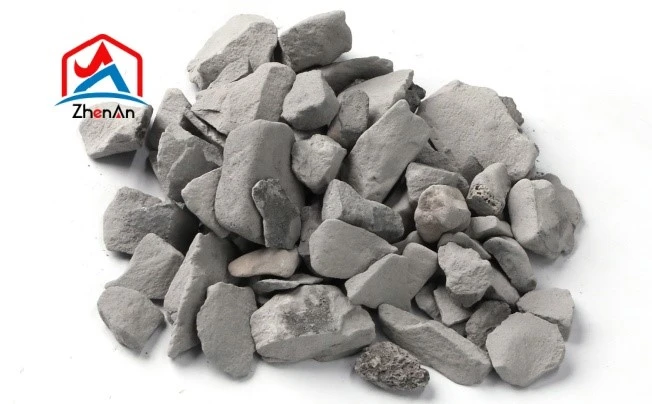
FeSiN is not one chemical formula. It is made by nitriding ferrosilicon, and the product is a mix of phases: mainly silicon nitride (Si3N4), together with iron-silicon phases and some residual free silicon. Because of this, read three things separately on any specification:
- Total nitrogen, the figure most buyers look at first.
- Silicon, which you must count in your steel's silicon budget.
- Phase composition, meaning how much of the nitrogen is held in silicon nitride rather than elsewhere.
Oxygen, carbon, aluminum and calcium also matter. Oxygen, for example, reduces the effective nitride content, which we explain in our note on impurities in ferro silicon nitride. Exact values depend on grade and batch, so take them from the COA of the batch you will receive. You can review the available N-Si chemistries and sizes on our ferrosilicon nitride specification page.
Fine powder grades are also used in refractory materials such as taphole clay. This page covers steelmaking only, and our ferrosilicon nitride applications overview covers both uses.
How Does Nitrogen Enter the Molten Steel?
Contact and Reaction with the Steel Melt
FeSiN does not simply melt like a ferroalloy lump. Its silicon nitride phases have to reach the steel, then react or dissolve so that nitrogen and silicon go into solution. In simplified form, silicon nitride supplies dissolved nitrogen and dissolved silicon to the melt. That is a simplified picture, and the real rate depends on contact time, how well the addition is mixed into the bath, and the slag layer it has to cross.
A lump that stays in the slag instead of reaching the steel gives you little nitrogen, which is why the addition stage and mixing matter as much as the material itself.
Nitrogen Pickup and Retention
Keep three nitrogen numbers apart: the nitrogen you charge with the addition, the nitrogen the steel picks up, and the nitrogen that is still in the steel at the end of processing. In simple terms:
Nitrogen added = addition rate × nitrogen fraction of the alloy × recovery
Recovery is the unknown in that equation, and it changes with your process. Nitrogen solubility in steel depends on composition, temperature and nitrogen partial pressure. Elements with a strong nitride affinity, such as aluminum and titanium, can tie up nitrogen as nitrides. Vacuum treatment or strong stirring at low nitrogen partial pressure can remove some of it again.
Treat any fixed recovery figure from a brochure with caution. Sample the steel before and after the addition on your own heats and calculate your own recovery.
What Happens to the Silicon?
The silicon in FeSiN goes into the steel together with the nitrogen, so you must put it into your silicon budget. Silicon dissolved in the melt can take part in deoxidation, in the same way our article explains for ferrosilicon as a deoxidizer in steelmaking. How much it helps depends on the oxygen level of your melt, your steel composition and your operating route.
Keep the two roles apart. Nitrogen alloying is the main reason to choose FeSiN. Deoxidation by its silicon is a side effect you may or may not want. Do not treat FeSiN as a general-purpose deoxidizer, and do not assume it replaces your other deoxidation materials. If your grade has a strict upper limit on silicon, the silicon that comes with the nitrogen can be the factor that decides whether you can use it.
How Can Nitrogen Contribute to Steel Strengthening?
Nitrogen and Microalloying Elements
Nitrogen does not strengthen steel by itself in an unconditional way. Its contribution comes from combining with microalloying elements. In vanadium steels, dissolved nitrogen can combine with vanadium and carbon to form vanadium carbonitrides, V(C,N). These fine precipitates can raise strength and help refine grain size, which is the reason nitrogen is sometimes added deliberately to vanadium-microalloyed grades.
This also means that nitrogen and vanadium do different jobs. FeSiN is a source of nitrogen and silicon, while ferrovanadium is the source of vanadium. One does not simply replace the other. If you are still choosing the vanadium source, our guide on choosing the right ferrovanadium grade for pipeline steel and the FeV60 vs FeV80 grade selection guide can help you compare grades.
Precipitation Depends on Processing Conditions
Whether V(C,N) forms, and how fine it is, depends on the available nitrogen, the vanadium and carbon content, and the thermal and rolling history. A steel that has the right nitrogen after casting can still miss its target properties if hot working conditions do not suit precipitation. Published research on vanadium-nitrogen systems supports precipitation strengthening and grain refinement, but only under specific compositions and processing, so do not extend those results to every grade.
Nitrogen can also work against you. Free nitrogen can cause strain ageing and brittleness in some steels. You gain from nitrogen only where your grade is designed to use it.
What Controls the Actual Alloying Result?
The result you see in the finished steel is the combined effect of the factors below. We do not give one temperature, timing, size or addition rate for all mills, because they depend on your own furnace, ladle practice and steel grade.
Factors that control FeSiN alloying results
| Factor |
What it decides
|
What to check
|
| Starting and target nitrogen | Whether you need to add nitrogen, and how much | Nitrogen before addition and the grade's nitrogen window |
| Steel composition | Nitrogen behavior and silicon budget | Si limit, and Al and Ti levels that can bind nitrogen |
| Addition stage and melt condition | Fit with your actual route | Furnace or ladle, and the state of the steel at that point |
| Contact, mixing and holding time | Reaction and uniform composition | Stirring and time before sampling |
| Alloy chemistry, size and form | Feeding method and batch repeatability | N, Si, oxygen on the COA, lump or granule size |
| Later refining and hot working | Final nitrogen and properties | Degassing steps, and rolling and cooling conditions |
The last row is the one most often forgotten. Final nitrogen and properties cannot be judged from the moment of addition alone.
When Is Ferrosilicon Nitride Suitable, and When Is It Not?
Start from the steel grade, not from the product. Ask two questions:
- Does your grade allow, or need, added nitrogen?
- Can your grade accept the silicon that comes with it?
If both answers are yes, FeSiN may be a suitable nitrogen source for your process. Controlled nitrogen additions, for example in vanadium microalloyed grades or in some grain-oriented electrical steel practices where both nitrogen and silicon are wanted, are the type of case where it is considered.
Use caution where your steel needs low nitrogen, where silicon is strictly limited, or where later vacuum treatment would remove the nitrogen you added. Do not select FeSiN from a generic application list alone. Check it against your own grade requirements and process data.
What Should You Verify Before a Production Trial?
Run a trial on a small number of heats and record the results, rather than relying on a recovery figure from someone else's plant. Before you start, confirm:
- your steel grade and its nitrogen and silicon targets
- the N, Si and impurity values of the alloy, and the COA for the batch you will use
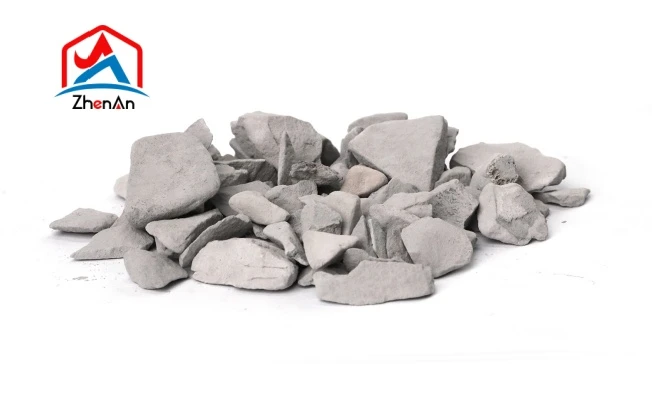
- your addition method, and the form and particle size that suit it
- the sampling plan: nitrogen and silicon before the addition and after it
- the property tests you will use to judge the finished steel
After the trial, compare calculated and measured nitrogen, then check the final properties and not only the ladle result. For lump and granule sizes and the N-Si chemistry options, see our ferrosilicon nitride specification page and check the batch against the COA.
Ferrosilicon Nitride in Steelmaking FAQ
Q: Is ferrosilicon nitride the same as ferrosilicon?
A: No. Ordinary ferrosilicon is mainly used as a silicon source and deoxidizer. Ferrosilicon nitride is made by nitriding ferrosilicon, so it also carries nitrogen in silicon nitride phases, and you choose it when you need controlled nitrogen addition.
Q: Does higher nitrogen content always give better results?
A: No. The right nitrogen level depends on your steel grade, and a higher nitrogen alloy also changes the silicon you add. Judge the alloy by the total N and Si it delivers against your target, and by oxygen and other impurities on the COA, not by nitrogen alone.
Q: Can ferrosilicon nitride replace vanadium alloy additions?
A: Not directly. Ferrosilicon nitride supplies nitrogen and silicon, while ferrovanadium supplies vanadium, so they do different jobs. In vanadium microalloyed steels the nitrogen can work with vanadium to form carbonitrides, but any change to your vanadium practice should be tested on your own heats.
Q: Why does nitrogen recovery vary between heats?
A: Recovery changes with steel composition, temperature, addition stage, mixing, slag condition, the alloy's size and chemistry, and any later degassing. Standardize your addition method and sample before and after to see which factor is moving.
Q: Should I choose powder or lump ferrosilicon nitride for steelmaking?
A: For steelmaking addition, lump or granular material is usually the easier choice to feed into a furnace or ladle, while fine powder is mainly used in refractory mixes. Confirm the size against your own feeding method before you order.
Send Your Steel Grade and Nitrogen Target for Specification Review
Send us your steel grade, nitrogen and silicon targets, addition method and preferred size, and we can review the specification with you before you plan a trial. You can also email us directly at sale@zanewmetal.com.