1. What Ferro Silicon Nitride Contains
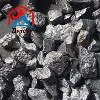
Ferro silicon nitride is produced by nitriding ferrosilicon and contains silicon nitride (Si3N4) as the main phase, together with silicon, iron and minor impurities. The iron comes from the ferrosilicon raw material and the process, and the material is supplied for refractory bonding and metallurgical nitrogen additions. The impurity profile affects both the performance and the price of the product.
2. Free Iron and Iron-Bearing Impurities
Iron is a normal component of ferro silicon nitride, but its level must be controlled. In refractory applications, excessive iron can form low-melting phases that weaken the bond at high temperature, while in metallurgical additions the iron is part of the alloy value. The iron content should be stated on the certificate, and the buyer should match it to the application.
3. Carbon and Residual Silicon
Residual carbon from the process can affect the oxidation behavior of the refractory and the carbon balance of steel additions. Residual silicon, which is un-nitrided silicon from the raw material, affects the silicon contribution and the completeness of the nitride phase. Both should be reported, since they change the usable value of the material.
4. Oxygen and Moisture
Oxygen is present as surface oxide and silica, and high oxygen lowers the effective nitride content and can increase the slag or impurity load in use. Moisture picked up during storage promotes oxidation and handling problems. The oxygen level and the moisture content should be controlled, and the material should be stored in moisture-protected packaging.
5. Typical Impurity Limits and Verification
Commercial ferro silicon nitride is specified by the nitrogen content, typically 20 to 30%, together with limits for iron, silicon, carbon and oxygen. The certificate of analysis should report the full composition, and the buyer should compare each value with the contract limits. For critical refractory use, additional testing of the phase composition and high-temperature behavior may be required.
6. FAQ
Q1: What are the main impurities in ferro silicon nitride? Free iron, residual silicon, carbon, oxygen and moisture.
Q2: How does iron affect the material? In refractories, excessive iron can form low-melting phases; in metallurgical use, iron is part of the alloy value.
Q3: Why does oxygen matter? High oxygen lowers the effective nitride content and can increase slag or impurity load in use.
Q4: What nitrogen content is typical? Commercial grades typically contain 20 to 30% nitrogen.
Q5: How is quality verified? By the certificate of analysis reporting nitrogen, iron, silicon, carbon and oxygen per batch.
Q6: How should the material be stored? In moisture-protected packaging, because moisture promotes oxidation and handling problems.