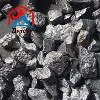
1. What Chromium Nitride Is
Chromium nitride is a compound of chromium and nitrogen, most commonly CrN, with a hard, corrosion-resistant structure. It is used as a hard coating on tools and components, as a nitrogen source in steelmaking, and in specialty ceramics. The properties of the material, hardness, wear resistance and chemical stability, make it valuable across these applications.
2. Direct Nitridation of Chromium
The main synthesis route is the direct nitridation of chromium metal: chromium powder or pieces are heated in a nitrogen atmosphere at high temperature, typically 800 to 1,200 degrees Celsius, where chromium reacts with nitrogen to form CrN. The reaction is controlled by the temperature, the nitrogen pressure and the particle size, and the product is milled to the required size after synthesis.
3. Nitridation of Chromium Alloys
Chromium nitride can also be produced by nitriding chromium alloys such as ferrochrome, giving a product that contains iron alongside the chromium nitride. This route is used for metallurgical nitrogen additions, where the iron content is part of the alloy value. The nitrogen content of the product is controlled by the nitriding conditions and the composition of the starting alloy.
4. Other Routes
Chromium nitride can be synthesized by gas-phase reactions, such as the reaction of chromium chloride or chromium vapor with nitrogen or ammonia, and by reactive sputtering for coating applications. These routes give high-purity films or fine powders for specialty uses, at higher cost. The choice of route balances purity, particle size and cost.
5. Properties and Applications
Coatings: CrN coatings give tools and components hardness, wear resistance and corrosion resistance.
Steelmaking: chromium nitride adds nitrogen and chromium to steel in a controlled way.
Ceramics: CrN is used in specialty refractory and wear applications.
6. Quality Points
Specify the nitrogen and chromium contents and the impurity limits.
Select the particle size by the application.
Verify the certificate of analysis per batch.
Store dry to prevent oxidation.
7. FAQ
Q1: How is chromium nitride synthesized? Mainly by direct nitridation of chromium in nitrogen at high temperature, or by nitriding chromium alloys.
Q2: What is the typical reaction temperature? Around 800 to 1,200 degrees Celsius for the nitridation reaction.
Q3: What is chromium nitride used for? Hard coatings, nitrogen additions in steelmaking and specialty ceramics.
Q4: What does nitriding ferrochrome give? A chromium nitride product containing iron, used as a metallurgical nitrogen addition.
Q5: How is purity controlled? By the starting material, the reaction conditions and the impurity limits on the certificate.
Q6: Can CrN be made as a coating? Yes, by reactive sputtering or similar deposition methods for tool and component coatings.