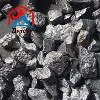
Quick Answer
Ferrosilicon nitride is mainly used in two directions: steelmaking nitrogen alloying and refractory material additives. In steelmaking, it can provide nitrogen and silicon input for special steel, alloy steel and controlled nitrogen addition. In refractory production, ferrosilicon nitride powder is used in taphole clay, iron trough castable, ramming mix and other high-temperature formulas where stable Fe-Si-N input and good thermal performance are required.
The right form depends on your process. Ferrosilicon nitride lump is more suitable for steel alloy addition, furnace feeding or ladle addition. Ferrosilicon nitride powder, such as 200 mesh or 325 mesh, is more suitable for refractory formulas because fine powder can disperse more evenly during mixing.
From our supply experience, the most important point is not only choosing "ferrosilicon nitride." You need to confirm N content, Si content, oxygen level, particle size, moisture, powder or lump form, COA and packing method according to your actual application.
What Is Ferrosilicon Nitride?
Ferrosilicon nitride, also called ferro silicon nitride, FeSi nitride or FeSiN, is a Fe-Si-N based material produced from ferro silicon through nitriding treatment. It contains nitrogen, silicon and iron as the main components.
In industrial use, ferrosilicon nitride is not selected only by product name. Its value depends on chemical composition, particle size and application direction.
A common reference range may include:
| Item | Common Reference Range |
|---|---|
| N | 28–33% |
| Si | 45–52% |
| Fe | Balance |
| O | 3.0% Max / by order |
| C | 1.0% Max / by order |
| P | 0.05% Max |
| S | 0.05% Max |
| Form | Powder / Lump |
| Powder Size | 200 Mesh / 325 Mesh / Custom |
| Lump Size | 10–50mm / Custom |
Actual values should always follow batch COA. Different plants may have different requirements for nitrogen, oxygen, moisture and particle size.
Main Application 1: Ferrosilicon Nitride for Steelmaking
In steelmaking, ferrosilicon nitride is used when the process needs controlled nitrogen addition together with silicon input. It can be used in special steel, alloy steel and other steel grades where nitrogen plays a role in strengthening or composition adjustment.
This does not mean every steel plant needs ferrosilicon nitride. It should be selected according to the steel grade, nitrogen target, alloying route and addition method.
| Steelmaking Need | Why Ferrosilicon Nitride May Be Used |
|---|---|
| Nitrogen alloying | Provides nitrogen input in ferro alloy form |
| Silicon contribution | Adds silicon together with nitrogen |
| Special steel production | Can support controlled composition adjustment |
| Ladle or furnace addition | Lump form may fit alloy feeding practice |
| COA-based quality control | N, Si, C, P and S can be checked before use |
For steelmaking, lump material is often easier to handle than fine powder. If your process uses furnace feeding or ladle addition, lump size and melting behavior need to be confirmed before ordering.
Main Application 2: Ferrosilicon Nitride for Refractory Materials
In refractory production, ferrosilicon nitride is usually used in powder form. The powder can be blended into different refractory formulas, including taphole clay, iron trough material, refractory castable and ramming mix.
For this direction, particle size is very important. A 200 mesh or 325 mesh powder can disperse more evenly than coarse material during dry mixing.
| Refractory Application | Why Powder Form Is Preferred |
|---|---|
| Taphole clay | Fine powder helps blend with clay, carbon and binder systems |
| Iron trough castable | Supports formula uniformity in high-temperature materials |
| Ramming mix | Fine particles help improve mixing consistency |
| Castable formulas | Powder size affects dispersion and formula stability |
| High-temperature refractory additives | Fe-Si-N input can support formula design |
For refractory plants, the key concern is often not only nitrogen content. Oxygen, moisture, powder size distribution and packing protection can also affect storage and mixing performance.
Powder vs Lump: Which Form Should You Choose?
Ferrosilicon nitride powder and lump serve different production needs. Choosing the wrong form can create handling problems even if the chemistry is correct.
| Item | Powder Form | Lump Form |
|---|---|---|
| Common Size | 200 mesh / 325 mesh / custom powder | 10–50mm / custom lump |
| Main Use | Refractory additives, taphole clay, castable | Steelmaking alloy addition |
| Mixing Behavior | Better for formula dispersion | Not suitable for fine refractory mixing |
| Feeding Method | Dry mixing, batching, powder blending | Furnace or ladle addition |
| Main Risk | Moisture, dust, leakage, poor packing | Oversize, fines, slow melting |
| Key Check | Mesh size, moisture, O content, COA | Lump size, N/Si content, COA |
If your production is refractory material, powder is usually more practical. If your production is steelmaking alloy addition, lump form is usually easier to use.
Why Nitrogen Content Matters
Nitrogen is one of the main reasons ferrosilicon nitride is selected. However, higher nitrogen is not always automatically better. The suitable nitrogen content depends on your formula or steel grade.
In steelmaking, nitrogen input must match the steel composition target. Too little nitrogen may not achieve the required effect. Too much nitrogen may create adjustment pressure.
In refractory materials, nitrogen content should match the formula design. The plant should also check oxygen and moisture because these values can affect powder storage, mixing and high-temperature behavior.
A practical review should include:
| Item | Why It Matters |
|---|---|
| N Content | Confirms nitrogen input |
| Si Content | Confirms silicon contribution |
| O Content | Important for refractory formula control |
| Moisture | Affects powder storage and mixing |
| Particle Size | Affects dispersion and feeding |
| COA | Confirms actual batch values |
How Particle Size Affects Ferrosilicon Nitride Use
Particle size is one of the most important details for ferrosilicon nitride.
For refractory additives, powder size affects dispersion. If the powder is too coarse, it may not blend evenly with other fine raw materials. If the powder is very fine but packing is weak, moisture and dust problems may increase.
For steelmaking, lump size affects feeding and melting. If lumps are too large, they may not match the feeding method. If there are too many fines, dust and material loss may appear during handling.
| Particle Size | Better Use Direction | Main Concern |
|---|---|---|
| 200 Mesh Powder | Refractory additives, taphole clay, castable | Dispersion, moisture, dust |
| 325 Mesh Powder | Finer refractory formulas | Higher dust and packing protection requirement |
| 10–50mm Lump | Steelmaking alloy addition | Feeding, melting, fines |
| Custom Size | Special formula or feeding system | Screening and MOQ confirmation |
This is why particle size should be confirmed before shipment, not after the material arrives.
Common Mistakes When Selecting Ferrosilicon Nitride
Mistake 1: Only Asking for "Ferrosilicon Nitride"
The product name is not enough. Powder and lump are used differently. Steelmaking and refractory use also require different specifications.
A better inquiry should include application, form, particle size, N content, oxygen limit, moisture limit and packing requirement.
Mistake 2: Ignoring Oxygen and Moisture
For refractory powder, oxygen and moisture can affect formula stability and storage behavior. If the material is shipped over long distance, moisture-proof packing becomes important.
Mistake 3: Using Powder for Steelmaking Addition Without Checking Handling
Fine powder is not always suitable for furnace or ladle addition. If the process needs alloy feeding, lump form may be easier to handle.
Mistake 4: Choosing Powder Size Without Considering Mixing Equipment
A plant using closed mixing equipment may manage fine powder better. A plant using open manual mixing may need stricter dust control and packing review.
What to Confirm Before Selecting Ferrosilicon Nitride
Before choosing ferrosilicon nitride, the technical and purchasing team should confirm the application first.
| Confirmation Item | Why It Matters |
|---|---|
| Application | Steelmaking or refractory use decides product form |
| Product Form | Powder or lump affects handling method |
| N and Si Content | Main chemical values for formula or steel composition |
| O and Moisture | Especially important for refractory powder |
| Particle Size | 200 mesh, 325 mesh, 10–50mm or custom |
| COA | Confirms batch chemistry |
| Packing | Protects powder or lump during export shipment |
| Destination and Storage | Long-distance shipment may need stronger packing |
Clear confirmation can reduce wrong material selection and repeated quotation changes.
Final Summary
Ferrosilicon nitride is used mainly in steelmaking nitrogen alloying and refractory material additives. Steelmaking usually needs lump form for alloy addition. Refractory production usually needs powder form for better formula dispersion.
The right choice depends on application, nitrogen content, silicon content, oxygen level, moisture, particle size, COA and packing method.
A simple selection rule is:
| Your Use | Better Direction |
|---|---|
| Steelmaking nitrogen alloying | Ferrosilicon nitride lump |
| Taphole clay / castable / refractory formulas | Ferrosilicon nitride powder |
| Fine refractory dispersion | 200 mesh or 325 mesh powder |
| Furnace or ladle feeding | 10–50mm lump or custom size |
Do not select ferrosilicon nitride only by product name. Select it by your process.
Company Profile

ZHEN AN INTERNATIONAL CO., LIMITED supplies ferrosilicon nitride and related metallurgical materials for steelmaking, refractory, foundry and alloy production. For ferrosilicon nitride orders, the key work is not only supplying a product name, but matching the material with actual use.
For refractory plants, we help check powder size, nitrogen content, oxygen level, moisture, COA and moisture-proof packing. For steelmaking use, we help confirm lump size, N/Si content, impurity limits, batch COA and export delivery details.
With more than 30 years of metallurgical material supply experience, our own factory support, annual production and sales volume above 150,000 tons, and customers in more than 100 countries and regions, we focus on stable batch quality, inspection traceability and export shipment coordination.


FAQ
Q:What is ferrosilicon nitride used for?
A:Ferrosilicon nitride is used for steelmaking nitrogen alloying and refractory additives. In steelmaking, it can provide nitrogen and silicon input. In refractory production, powder form is used in taphole clay, castable, iron trough material and ramming mix.
Q:Is ferrosilicon nitride powder better than lump?
A:Not always. Powder is better for refractory formulas because it disperses more evenly during mixing. Lump is better for steelmaking alloy addition because it is easier to feed into furnace or ladle processes.
Q:What should be checked before buying ferrosilicon nitride?
A:N content, Si content, oxygen, moisture, particle size, product form, COA, packing method and actual application should be checked before ordering.