Table of Contents
Why Does Nitrogen Matter in HRB400 Rebar Production?
What Does Ferro Silicon Nitride Contribute?
How Does FeSiN Work with Ferrovanadium?
What Determines the Actual Production Result?
How Should You Compare FeV + FeSiN with V-N Alloy?
What Mistakes Should You Avoid?
What Should You Verify Before Using FeSiN?
Quick Answer
In some vanadium microalloyed HRB400 routes, ferro silicon nitride (FeSiN) is used as a nitrogen source, and it also brings silicon into the steel. Nitrogen works together with vanadium: under the right conditions it helps vanadium form fine V(C,N) precipitates that contribute to strength. The effect depends on your existing composition, how much nitrogen is actually available in the steel, and your rolling and cooling practice. Whether you need FeSiN at all depends on your current composition, process and target properties, and the result has to be confirmed in production.
Why Does Nitrogen Matter in HRB400 Rebar Production?
HRB400 is a hot-rolled ribbed rebar grade with a specified minimum yield strength of 400 MPa. Mills reach that strength by different routes, and vanadium microalloying is only one of them. This article covers the vanadium-nitrogen route. It does not mean every HRB400 producer needs added nitrogen.
The reason mills look at nitrogen in vanadium steels is practical. Vanadium is a costly element in the alloy plan, and published V-N microalloying work studies nitrogen as a way to use the vanadium already in the steel more effectively. Whether that pays off in your mill depends on your composition, your process and the cost comparison we describe further down, so it is a question to test and not an assumption.
Nitrogen and Vanadium Carbonitride Precipitation
Vanadium strengthens rebar mainly by forming fine precipitates during cooling after rolling. These precipitates are carbonitrides, V(C,N), which means they contain both carbon and nitrogen. Published work on V-N microalloyed steel reports that when more nitrogen is available, more of the vanadium can precipitate in this useful form, which adds precipitation strengthening and can help refine grain size. This depends on the steel, and the result is not the same in every HRB400 route.
Why More Nitrogen Is Not Always Better
Separate total nitrogen from effective nitrogen, meaning the nitrogen that can take part in V(C,N) precipitation. Aluminum and titanium form stable nitrides, so nitrogen tied up with them is not available to vanadium. At the other extreme, free nitrogen can cause strain ageing and brittleness. Our article on the effects of nitrogen in ferrosilicon nitride on molten steel quality explains the risks of excess nitrogen in more detail. The right amount depends on your composition and process limits, not on a single number.
What Does Ferro Silicon Nitride Contribute?
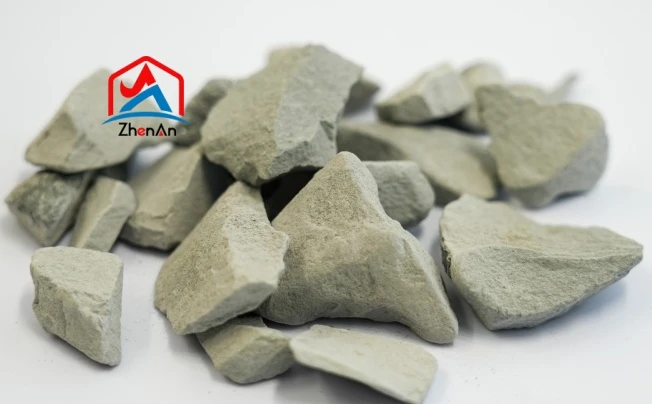
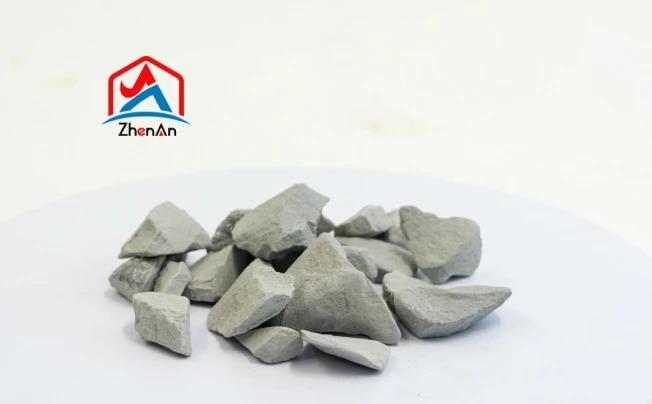
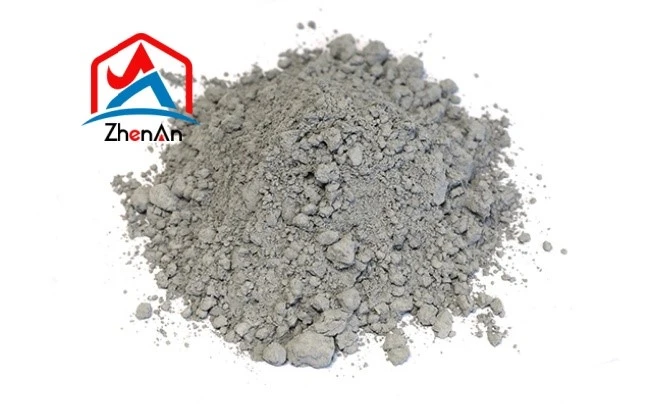
FeSiN is made by nitriding ferrosilicon, and its main phases are silicon nitride and iron-silicon phases. In a rebar alloy plan, it supplies nitrogen and silicon. You can see its other uses in our ferrosilicon nitride applications overview, but this page deals only with HRB400.
| Input | What you need to understand |
|---|---|
| Nitrogen | The nitrogen in the alloy is not the nitrogen that ends up in the liquid steel |
| Silicon | It must be counted in the silicon budget of your grade |
| Batch composition and form | It should match your actual feeding method |
The nitrogen that reaches the steel is lower than the nitrogen in the alloy, and the actual amount depends on your furnace and ladle practice. Treat nitrogen recovery as something you measure on your own heats, with samples before and after the addition. Take composition values from the COA of each batch rather than from a general description.
The silicon deserves its own check. Rebar steel already receives silicon from ferrosilicon or silicomanganese used for deoxidation and alloying, and the standard you work to sets an upper limit. The silicon that comes with the nitrogen adds to that total, so calculate the combined silicon before you decide on an addition, especially if your heats already run close to the limit.
How Does FeSiN Work with Ferrovanadium?
Separate the Roles of Vanadium and Nitrogen
The two materials do different jobs. Ferro vanadium 50 (FeV50) supplies vanadium. FeSiN supplies nitrogen and brings silicon with it. FeSiN contains no vanadium, so it cannot replace a vanadium source, and a vanadium alloy does not by itself supply the nitrogen you want for V(C,N).
Connect Alloy Addition with Rolling and Cooling
Precipitation does not happen at the moment of addition. It develops later, during hot rolling and cooling, so the alloy addition only sets the composition for that stage. A heat with the right vanadium and nitrogen can still miss its target properties if the rolling and cooling conditions do not suit precipitation. Think of the alloy addition and the rolling practice as one system, not as two separate decisions.
What Determines the Actual Production Result?
We do not give a universal addition rate, nitrogen target, temperature or fixed recovery, because they depend on your own steel and equipment. These are the conditions to check:
| Condition | What to explain or check |
|---|---|
| Starting V, N, Si and target requirements | Whether you need to add nitrogen, and how much room the composition leaves |
| Aluminum, titanium and related elements | How they take nitrogen and change later precipitation |
| Addition and mixing conditions | How they affect nitrogen absorption and retention |
| Alloy composition and size stability | Heat-to-heat consistency |
| Rolling and cooling practice | The final structure and properties |
The last row is easy to overlook. Controlled rolling and cooling can change the result as much as the alloy addition, so a good ladle analysis does not guarantee good mechanical properties. Batch consistency matters as well, because a nitrogen source that varies from heat to heat makes it hard to tell whether a property change came from the alloy or from the rolling practice.
How Should You Compare FeV + FeSiN with V-N Alloy?
A V-N alloy supplies vanadium and nitrogen together, while the FeV plus FeSiN route supplies them separately. We do not assume that either route is cheaper. Compare both with the same method, on the same date and price basis:
| What to evaluate | FeV + FeSiN route | V-N alloy route |
|---|---|---|
| Target composition | V, N and Si adjusted separately | V and N supplied together |
| Actual V and N result | Measure on your own heats | Measure on your own heats |
| Mechanical property result | Yield, tensile and elongation against the standard | Yield, tensile and elongation against the standard |
| Heat-to-heat variation | Compare over multiple heats | Compare over multiple heats |
| Operating requirements | Two additions to manage | Handling of one alloy |
| Cost per tonne of steel | Total of both alloys, including recovery | Alloy cost, including recovery |
Treat any per-tonne saving quoted without a date, price basis and operating conditions as unverified. Alloy prices and recovery change, so a saving that was true for one mill in one month does not carry over to yours.
To make the comparison fair, run both routes on the same steel grade in the same period, with the same rolling and cooling practice, and record vanadium and nitrogen before and after each addition. Use enough heats to see the normal spread, then compare mechanical results and total cost per tonne of steel. A single good heat on either route proves very little, because heat-to-heat variation can be larger than the difference you are trying to measure.
What Mistakes Should You Avoid?
- Reading the nitrogen on the data sheet as the nitrogen in the steel. Recovery is always below the nominal figure and has to be measured.
- Treating total nitrogen as effective nitrogen. Aluminum and titanium can bind part of it before vanadium can use it.
- Forgetting the silicon. The silicon from FeSiN counts toward the limit of your grade.
- Comparing alloy price per tonne instead of cost per tonne of steel. Recovery and the amount you add change the result.
- Stopping at the ladle analysis. Strength is only confirmed after rolling, cooling and mechanical testing.
What Should You Verify Before Using FeSiN?
Run a trial on a limited number of heats and record the results. Before you start, confirm:
- your current steel grade, alloy recipe and starting composition
- the batch COA of both the FeSiN and the vanadium alloy
- the sampling plan: V, N and Si analysis before and after the addition
- the rolling and cooling records for the same heats
- the mechanical properties required by your standard, such as yield strength, tensile strength and elongation, and their repeatability over several heats
For the chemistry options and sizes, see our ferrosilicon nitride specification page, then send us your technical requirements so we can check the material data against them.
FAQ
Can FeSiN replace ferrovanadium in HRB400 rebar?
No. FeSiN supplies nitrogen and silicon but no vanadium, so it cannot take the place of a vanadium source. In vanadium microalloyed grades the two work together, and any change in your vanadium practice should be tested on your own heats.
Does every HRB400 production route require FeSiN?
No. HRB400 can be made by several routes, and only some use added nitrogen. Check your own composition, process and target properties before deciding.
Is FeV plus FeSiN always cheaper than V-N alloy?
No. The answer depends on current alloy prices, recovery, operating requirements and the property results you obtain. Compare both routes on the same date and basis, as cost per tonne of steel.
Why does nitrogen recovery vary between heats?
Recovery changes with steel composition, aluminum and titanium levels, addition and mixing conditions, alloy size and composition, and any later degassing. Keep your addition method fixed and sample before and after to find which factor is moving.
What nitrogen level should I target in HRB400 rebar?
There is no single figure for every mill. Set the target from your standard, your starting composition, your vanadium level and your rolling practice, then confirm it through trials.
Send Your Alloy Practice and Composition Targets for Specification Review
Send us your current alloy practice, your composition targets and the form and size you need, and we can check the supply data against them before you plan a trial. The final result still has to be confirmed in your own production. You can also email us directly at sale@zanewmetal.com.