Quick Answer
Ferrosilicon 75 (FeSi75) is stable under normal dry storage conditions, but moisture, fine dust and incompatible chemicals can create additional risks. Contact between FeSi dust and moisture, acids or alkalis may generate hydrogen (H2), phosphine (PH3) and arsine (AsH3). Fine airborne FeSi dust can also form an explosible atmosphere under certain conditions.
Keep FeSi75 dry, limit dust generation, provide suitable ventilation and follow the SDS supplied with your shipment. If you use FeSi75 in steelmaking, do not add wet material directly to molten metal because rapid gas generation can create an explosion risk.
Key Takeaways
- Dry FeSi75 is stable under normal storage and handling conditions.
- Moisture is the main storage concern, especially when fines or dust are present.
- Contact with moisture, acids or alkalis may generate hydrogen, phosphine and arsine.
- Fine FeSi dust can be explosible when suspended in air under suitable conditions.
- Keep FeSi75 away from water, acids, bases and unnecessary ignition sources.
- Use the applicable SDS and local workplace rules when selecting ventilation, PPE and transport procedures.
Why FeSi75 Must Be Kept Dry
Dry lump FeSi75 is normally stable. The risk changes when moisture reaches the alloy, particularly when the material contains fines or dust.
Ferrosilicon safety documentation notes that contact with moisture, acids or alkalis can produce highly flammable hydrogen together with highly toxic phosphine and arsine. These gases are a greater concern in poorly ventilated or enclosed spaces where they can accumulate.
This is why dry storage is more than a product-quality issue. Keeping FeSi75 away from water also reduces the risk of unwanted gas generation before the material reaches your furnace.
Why Fine FeSi Needs More Control
Particle size changes the way FeSi75 reacts and behaves during handling. Fine particles provide more surface area than clean lumps, so moisture contact and dust generation become more important as particle size decreases.
If your process uses granules or fine FeSi75, confirm the particle-size distribution and storage conditions before delivery. For lump-size selection, see our ferrosilicon particle size guide.
What Does a FeSi75 SDS Cover?
The Safety Data Sheet, or SDS, gives you the safety information needed for storage, handling, exposure control and emergency planning. The older term MSDS is still widely used, but SDS is now the more common name.
Before FeSi75 arrives, check that you have the current SDS for the material supplied. Pay particular attention to:
| SDS Section | What to Check |
|---|---|
| Hazard Identification | Dust, moisture and gas-generation hazards |
| Handling & Storage | Dry storage, incompatible materials and ventilation |
| Exposure Controls | Dust control, eye protection, gloves and respiratory protection |
| Stability & Reactivity | Moisture, acids, bases and conditions to avoid |
| Transport Information | Applicable UN classification, packing and transport requirements |
Do not rely on a generic internet SDS when you receive a shipment. Use the SDS that applies to the FeSi75 supplied and check any additional requirements in your local regulations.
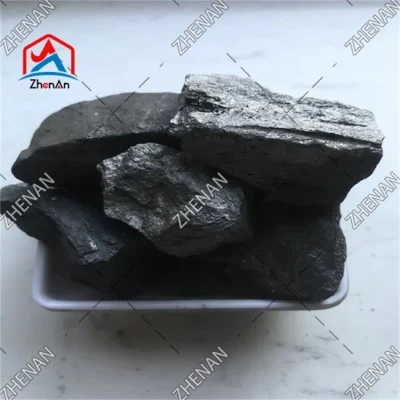
How to Store Ferrosilicon 75
The basic storage rule is simple: keep FeSi75 dry and ventilated.
Use a Dry Covered Storage Area
Store the material under cover and protect it from rain, standing water, steam and leaking pipes. Keep bags in a location with adequate ventilation, particularly if the material contains fines.
Do not place damaged bags where water can reach the alloy. If packaging is torn during unloading, isolate and repack the material according to your site procedure.
Keep Bags Off Wet Floors
Use pallets or another suitable dry base if the storage floor may become damp. This also makes it easier to inspect the underside of the packing and identify water damage before use.
Separate FeSi75 from Incompatible Materials
Avoid storage next to acids, strong bases and other incompatible chemicals identified in the SDS. The goal is to prevent accidental contact that could increase gas generation or create another reaction hazard.
FeSi75 Dust: What Is the Actual Risk?
Clean ferro silicon lumps do not behave the same way as fine airborne dust. Crushing, screening, bag opening, transfer and spill cleanup can create fine particles that require more control.
Ferrosilicon SDS information states that suspended FeSi particles can cause a dust explosion under certain conditions. The risk depends on factors such as particle size, dust concentration, confinement and the presence of an ignition source.
Reduce Dust at Transfer Points
Where crushing, screening or bag opening creates dust, use suitable local exhaust or other dust-control equipment. Avoid unnecessary dropping distances and rough handling that break lumps and increase fines.
Control Ignition Sources
Keep ignition sources away from areas where significant FeSi dust can accumulate. Use equipment and electrical controls appropriate for your workplace dust-risk assessment.
For cleanup, follow the SDS and your site procedure rather than using methods that simply put settled dust back into the air.
What PPE Should You Use for FeSi75?
The required PPE depends on the form of FeSi75 and the amount of dust generated during your operation.
For normal handling, the SDS commonly calls for appropriate:
- eye protection where dust is present;
- protective gloves;
- work clothing suitable for the handling task;
- respiratory protection where ventilation cannot keep dust exposure within applicable limits.
Do not select a respirator or exposure limit from a general FeSi article. Follow the current SDS, your workplace exposure assessment and the occupational limits that apply in your country.
Why Wet FeSi75 Should Not Be Added to Molten Metal
Do not charge visibly wet FeSi75 directly into molten metal. Ferrosilicon safety documentation warns that wet material added to hot or molten FeSi can generate hydrogen rapidly and may cause an explosion.
If FeSi75 has been exposed to water during storage or transportation, isolate the affected material and follow your plant safety procedure before use.
For normal steelmaking use, particle size and addition practice also affect how FeSi75 enters and dissolves in the melt. See our Ferrosilicon 75 for steelmaking guide for the application side of the process.
FeSi75 Transport and UN 1408
International dangerous-goods rules list ferrosilicon containing 30% or more but less than 90% silicon under UN 1408. The listing is associated with Class 4.3, a subsidiary toxic risk of 6.1 and Packing Group III.
Because FeSi75 normally falls within that silicon-content range, UN 1408 is an important transport reference. However, do not determine the shipment classification from the grade name alone. Use the applicable SDS and confirm the final classification, packing, marks and documents with your logistics provider and the regulations that govern the shipment.
For ocean transport, moisture protection is especially important. The applicable IMDG provisions require attention to water-reactive hazards and dry stowage conditions.
FeSi75 Storage and Handling Checklist
| Check | Recommended Action |
|---|---|
| Storage Area | Keep dry, covered and adequately ventilated |
| Packaging | Inspect bags for tears and water damage |
| Moisture | Prevent contact with rain, standing water and steam |
| Dust | Limit generation and control accumulation |
| Ignition Sources | Control them where fine dust may be present |
| Incompatible Materials | Keep away from acids, bases and other materials identified in the SDS |
| PPE | Select according to the SDS and workplace exposure assessment |
| Molten Metal | Do not add visibly wet material |
| Transport | Confirm classification and documents before shipment |
What to Confirm When Ordering FeSi75
Storage and safety start with the product specification. Before placing an order, confirm:
- FeSi75 chemical composition;
- particle size;
- acceptable fines if required;
- packing method;
- COA requirements;
- SDS / MSDS requirements;
- transport and export-document requirements.
You can review our Ferrosilicon 75 specification for available chemistry, particle sizes and packing options.
If you need to compare FeSi75 with other ferro silicon grades, see our ferro silicon products and specifications.
Our FeSi75 Supply and Documentation Support
We have 30 years of experience in metallurgical materials and integrate production, processing and international trade. Our 30,000 m² facilities include two production bases and a testing laboratory.
| Annual Capacity | 150,000+ tons |
| Regular Ferroalloy Stock | About 5,000 tons |
| Professional Team | 200+ staff, including 50+ R&D personnel |
| Export Markets | 100+ countries |
| Inspection Support | SGS, BV and Intertek inspection available |
| Documents | COA, MSDS/SDS, Certificate of Origin and agreed export documents |
For FeSi75 orders, we can confirm composition, particle size, packing and documentation before shipment. If you have your own SDS, transport or inspection requirements, send them with your inquiry so we can confirm them before production and delivery.
Need FeSi75 SDS, COA or a Current Quote?
Send us your required FeSi75 composition, particle size, quantity, packing and destination port. We can confirm the available specification, safety documents and current quotation.
View FeSi75 Specification Request FeSi75 SDS & QuoteFAQ
Q: Is Ferrosilicon 75 dangerous?
A: Dry FeSi75 is stable under normal storage conditions. The main concerns are moisture contact, fine dust and incompatible chemicals. FeSi dust can generate hydrogen, phosphine and arsine under certain conditions, while suspended fine dust may also create an explosion risk.
Q: How should FeSi75 be stored?
A: Keep it dry, covered and adequately ventilated. Protect the bags from rain, wet floors, steam and leaking pipes, and keep the material away from incompatible acids and bases identified in the SDS.
Q: Can FeSi75 be stored outdoors?
A: Do not leave FeSi75 exposed to rain or standing water. If outdoor storage cannot be avoided temporarily, use suitable weather protection and follow the storage conditions stated in the SDS and your site procedure.
Q: What gases can wet ferrosilicon generate?
A: Ferrosilicon safety documentation identifies hydrogen as a flammable gas and phosphine and arsine as toxic gases that may form when FeSi dust contacts moisture, acids or alkalis.
Q: Is FeSi75 dust explosive?
A: Fine FeSi particles suspended in air can form an explosible dust atmosphere under certain conditions. Control fines, dust accumulation and ignition sources according to your workplace risk assessment.
Q: What PPE is needed for FeSi75?
A: Eye protection, gloves and suitable work clothing are commonly used. Respiratory protection may also be required where dust exposure cannot be adequately controlled. Follow the current SDS and local occupational-safety requirements.
Q: What UN number is used for FeSi75?
A: Ferrosilicon containing 30% or more but less than 90% silicon is listed as UN 1408 in international dangerous-goods rules. Confirm the final classification and shipping requirements using the applicable SDS and transport regulations.
Q: Can wet FeSi75 be added directly to molten steel?
A: Do not add visibly wet ferro silicon directly to molten metal. Wet material can generate hydrogen rapidly when heated and may create an explosion hazard.
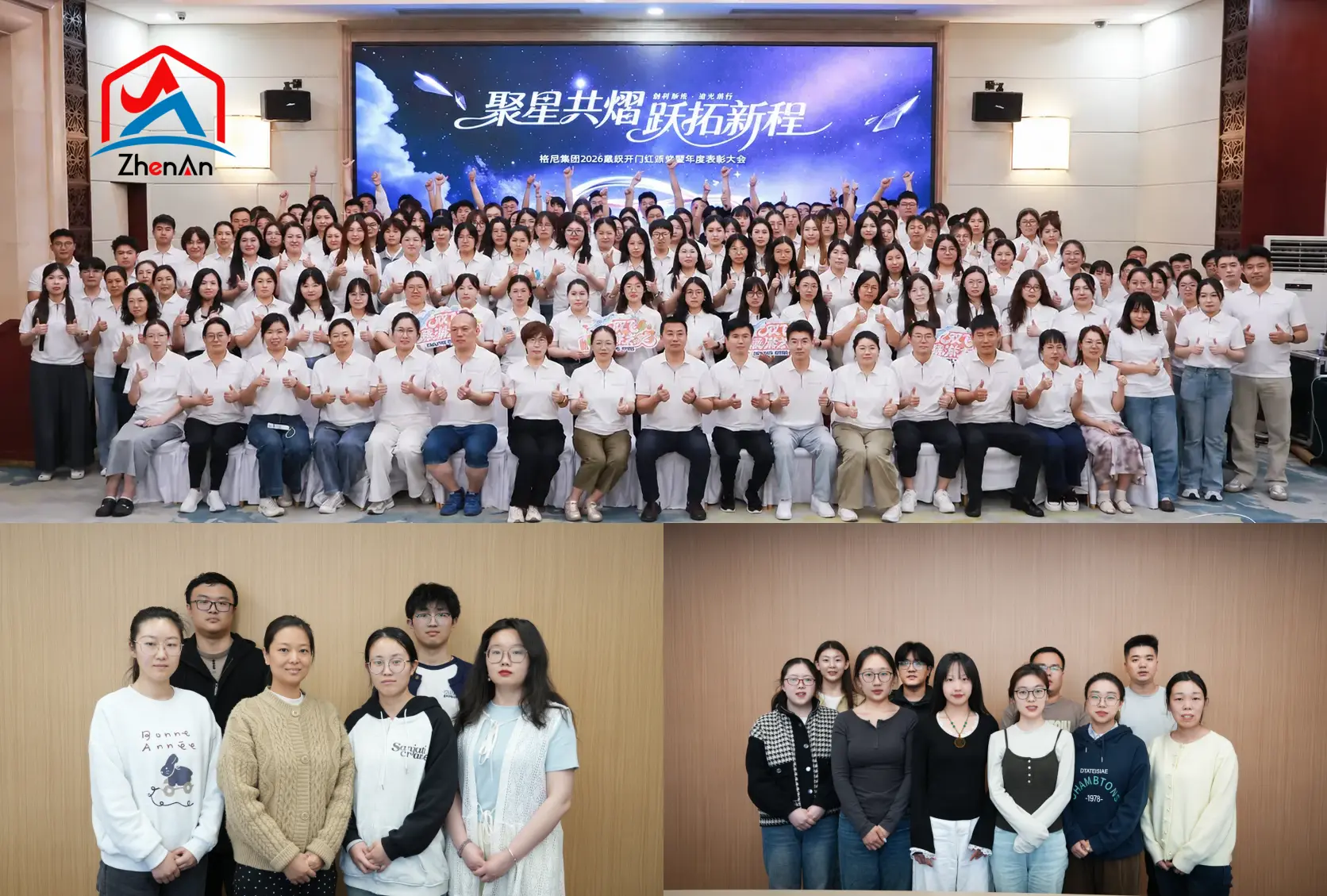
ZHEN AN METALLURGICAL MATERIALS
With 30 years of industry experience, ZHEN AN integrates metallurgical material production, processing and international trade.
We operate two production bases and a testing laboratory, with 150,000+ tons annual capacity and service coverage in more than 100 countries.
Production Capacity
Quality Control
Technical Strength
Export Service
Production Capacity
30,000 m² facilities, two production bases, 150,000+ tons annual capacity and about 5,000 tons of regular ferroalloy stock.
Quality & Certification
ISO certified, with SGS, BV and Intertek inspection available. COA, MSDS and Certificate of Origin can be provided.
Technical Strength
200+ professionals, 50+ R&D staff and 80+ industrial patents support product development and customization.
24-Hour Export Service
Samples, customization, technical selection, logistics coordination and export document support.