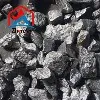
Ferrosilicon (FeSi) waste is generated during ferroalloy production, crushing, screening, transportation and steelmaking operations. Common waste streams include off-specification lumps, undersized particles, processing fines, collected dust and silicon-bearing furnace slag. Although these materials may still contain recoverable alloy, their recycling value depends on chemical composition, metallic content, oxidation level and particle size.
For steelmakers and ferroalloy producers, ferrosilicon waste recycling is not simply a matter of crushing and reusing discarded material. The first step is to distinguish metallic ferrosilicon from oxidized silicon-bearing residues. Only after evaluating the recoverable metallic fraction, impurity levels and processing costs can a suitable recycling route be selected.
This guide explains how to classify ferrosilicon waste, compare recovery methods, evaluate recycled material quality and determine whether recycling is economically viable.
Ferrosilicon Waste Recycling: Key Points
- Separate metallic ferrosilicon from oxide-rich slag and other residues.
- Analyze silicon content, impurities, oxidation and particle size before processing.
- Use crushing, screening and magnetic separation where the material characteristics permit.
- Consider controlled blending or remelting only after chemical and technical verification.
- Evaluate recovery yield and total processing costs before scaling up.
Contents
1. Types of Ferrosilicon Waste Generated During Production
Ferrosilicon waste is not a single material category. Different production stages generate residues with different chemical and physical characteristics. Identifying the source of each waste stream is essential because clean metallic scrap and oxidized furnace residues require different recovery processes.
| Waste Type | Source and Characteristics | Potential Recovery Method | Important Inspection Items |
|---|---|---|---|
| Off-Specification Lumps | Ferrosilicon that fails the ordered particle size or chemical specification. | Crushing, screening, regrading or controlled reuse. | Si content, impurities, oxidation and particle size. |
| Ferrosilicon Fines | Small particles generated during crushing, screening and transportation. | Particle classification and evaluation for reuse or blending. | Size distribution, moisture, metallic content and oxidation. |
| Collected Dust | Fine particles captured by dust collection systems during material handling and processing. | Dust characterization and specialized recovery where technically feasible. | Metallic content, oxide content, moisture and safe handling requirements. |
| Silicon-Bearing Furnace Slag | Furnace residues containing varying amounts of metallic inclusions and oxidized compounds. | Physical separation or specialized metallurgical treatment. | Metallic recovery potential, SiO2, iron-bearing phases and impurities. |
Important: These materials should be stored and sampled separately. Mixing clean metallic fines with oxide-rich slag before analysis can distort the composition results and make recovery calculations unreliable.
2. Why Waste Classification Matters Before Recycling
The most important distinction in ferrosilicon recycling is the difference between total silicon content and recoverable metallic ferrosilicon.
For example, a furnace residue may contain a considerable amount of silicon, but part of that silicon may exist as silicon dioxide (SiO2) rather than metallic silicon in the FeSi alloy. These two forms have different metallurgical value and cannot be treated as equivalent raw materials.
Three factors determine whether a waste stream is suitable for recovery:
2.1 Metallic Alloy Content
Clean ferrosilicon particles and metallic inclusions may retain recoverable alloy value. Their suitability for reuse depends on how much metallic material can be separated and whether its composition meets the receiving plant's requirements.
2.2 Oxidation and Impurity Levels
Oxidized material and non-metallic inclusions can affect the quality of recovered alloy. Aluminium, calcium, phosphorus, sulphur and other relevant elements should be checked against the intended application.
2.3 Particle Size and Physical Condition
Oversized lumps, standard granules and fine dust behave differently during handling and furnace feeding. Excessive fines may create dust losses, while oversized pieces may require additional crushing and screening.
Therefore, a recycling assessment should establish the following information before selecting a process:
- Source and original production stage of the waste.
- Recoverable metallic ferrosilicon fraction.
- Total silicon content and, where necessary, silicon-bearing phase composition.
- Iron content and relevant impurity levels.
- Particle size distribution and moisture condition.
- Expected processing yield and residual waste quantity.
3. Four Ferrosilicon Waste Recovery Methods
After the waste has been characterized, the recovery route can be selected according to its metallic content, particle size and intended reuse. Four approaches are particularly relevant to ferrosilicon production and processing.
3.1 Crushing and Screening
Crushing and screening are primarily used for oversized ferrosilicon pieces and mixed-size metallic residues.
Crushing reduces oversized particles to a manageable size, while screening separates the material into different fractions. Clean metallic particles can then be evaluated against the size requirements of the intended application.
For example, a batch containing oversized lumps and undersized particles may be separated into reusable size fractions rather than discarded as a single off-specification lot.
Key considerations:
- Control crushing losses and the generation of excessive fines.
- Check the particle size distribution after screening.
- Remove foreign materials and visible non-metallic contamination.
- Verify the chemical composition of the recovered fractions.
3.2 Magnetic Separation
Magnetic separation can be used to concentrate iron-bearing metallic ferrosilicon particles from certain mixed residues. Its effectiveness depends on the physical characteristics, particle size and composition of the feed material.
In selected furnace slag recovery applications, magnetic separation may help separate metallic inclusions from non-metallic material. However, it should not be assumed that all silicon-bearing residues can be recovered efficiently using magnetic equipment alone.
Key considerations:
- Evaluate the magnetic response of the metallic and non-metallic fractions.
- Determine the particle size suitable for separation.
- Measure the metallic recovery yield after processing.
- Check the impurity content of the separated metallic fraction.
3.3 Controlled Blending with Virgin Ferrosilicon
Recovered metallic ferrosilicon may be considered for blending with newly produced material when its chemical composition and physical properties are known.
This method is particularly relevant when a recovered batch contains usable metallic alloy but does not independently meet the final purchasing specification.
For example, a lower-silicon metallic fraction may be evaluated for blending with a higher-silicon ferrosilicon grade. The actual blending ratio must be calculated from the measured silicon content and impurity levels of both materials.
Before blending, verify:
- Silicon content of the recovered and virgin materials.
- Aluminium, calcium, phosphorus, sulphur and other relevant impurities.
- Particle size distribution and fines proportion.
- Final chemical composition after blending.
- Acceptance requirements of the receiving production process.
A trial batch and final chemical analysis should confirm whether the blend is suitable. Recovered material should never be added solely on the basis of its nominal original grade.
3.4 Remelting and Specialized Slag Treatment
Remelting may be considered for metallic-rich ferrosilicon scrap when the recovered alloy can be processed economically and the receiving furnace can accommodate the material.
Oxide-rich furnace slag requires a different evaluation. Its silicon may be present partly or predominantly in oxidized compounds, so direct remelting does not automatically recover the silicon as metallic ferrosilicon.
Depending on the composition, specialized physical separation or metallurgical treatment may be necessary before any metallic recovery is possible.
Key considerations:
- Determine the recoverable metallic fraction.
- Evaluate oxide content and the impurity profile.
- Estimate energy consumption and processing costs.
- Check compatibility with the receiving furnace.
- Analyze the recovered alloy and remaining residues.
3.5 Comparison of Recovery Methods
| Recovery Method | Suitable Material | Main Objective | Primary Limitation |
|---|---|---|---|
| Crushing and Screening | Oversized lumps and clean metallic returns. | Recover usable particle size fractions. | Additional fines and processing losses. |
| Magnetic Separation | Selected mixed residues containing separable metallic particles. | Concentrate iron-bearing metallic material. | Separation efficiency depends on feed characteristics. |
| Controlled Blending | Assayed metallic ferrosilicon fractions. | Utilize recovered alloy in a compliant final blend. | Final chemistry must satisfy the receiving specification. |
| Remelting or Slag Treatment | Metal-rich scrap and selected silicon-bearing residues. | Recover metallic alloy from suitable feed material. | Energy consumption, recovery yield and treatment costs. |
4. How to Build a Ferrosilicon Waste Recycling Process
A practical recycling project should follow a controlled sequence from material identification to final product verification. The following five steps provide a framework for evaluating a new waste stream before industrial-scale processing.
Step 1: Collect and Separate Waste Materials
Separate off-specification lumps, screening fines, dust and furnace slag according to their source. Record the quantity and origin of each material stream.
Keeping different waste categories separate makes sampling more representative and helps prevent cross-contamination.
Step 2: Conduct Chemical and Physical Analysis
Collect representative samples from each batch. Determine silicon, iron and relevant impurity levels, together with moisture and particle size distribution.
For slag and other complex residues, distinguish metallic inclusions from oxide-bearing phases using suitable analytical and separation methods.
Step 3: Select the Recovery Route
Match the recovery process to the material characteristics:
- Oversized metallic lumps: crushing and screening.
- Mixed metallic and non-metallic particles: evaluate physical separation.
- Assayed metallic fines: consider controlled reuse or blending.
- Metal-rich residues: evaluate remelting.
- Oxide-rich slag: assess specialized treatment and recovery economics.
Step 4: Conduct a Trial and Verify the Recovered Product
Process a representative batch before committing to large-scale recovery. Measure the recovered metallic yield, chemical composition and particle size distribution.
Where the material is intended for steelmaking or ferroalloy production, its feeding behaviour and compatibility with the receiving process should also be evaluated.
Step 5: Establish Batch Traceability
Maintain a separate record for each recovered lot, including:
- Original waste source and batch identification.
- Initial weight and material classification.
- Pre-treatment and recovery method.
- Recovered metallic weight and processing yield.
- Final chemical analysis and particle size results.
- Residual material quantity and treatment requirements.
This information makes it possible to compare different recovery batches and determine whether the process can be operated consistently.
5. Quality Control for Recycled Ferrosilicon
Recovered ferrosilicon should be assessed against the quality requirements of its intended application. A material's recycled origin does not automatically make it unsuitable, but its chemical composition and physical condition must be verified before reuse or sale.
| Inspection Item | What to Check | Why It Matters |
|---|---|---|
| Silicon Content | Actual silicon content of the recovered metallic alloy. | Determines whether the material can meet the target grade. |
| Impurity Content | Al, Ca, P, S, C and other application-specific elements. | Prevents unsuitable material from entering the production process. |
| Metallic and Oxide Fractions | Recoverable metallic inclusions and oxidized silicon-bearing phases. | Establishes actual recovery potential. |
| Particle Size | Size distribution, oversize material and fines proportion. | Determines handling and feeding suitability. |
| Moisture and Appearance | Moisture, oxidation, foreign materials and visible contamination. | Supports safe storage and consistent handling. |
| Batch Documentation | Sampling records, chemical analysis and processing history. | Provides traceability and quality verification. |
Where applicable, the final recovered product should be evaluated against the relevant ferrosilicon grade specification, such as GB/T 2272, together with the buyer's agreed chemical and physical requirements.
It is important not to assume that a recovered batch meets a commercial grade simply because its silicon content falls within the nominal range. Impurity limits, physical form and inspection requirements must also be satisfied.
Storage and Handling Considerations
Recovered ferrosilicon fines and dust require appropriate handling controls. Material should be kept dry, protected from rain and separated from incompatible substances. Dust generation should be controlled during crushing, screening and transfer.
Follow the applicable safety data sheet (SDS), site procedures and local regulations for storage, dust control and handling. Do not assume that processing residues have the same handling characteristics as clean, standard-size ferrosilicon lumps.
6. How to Evaluate the Economics of Ferrosilicon Recycling
Recovering a large quantity of waste does not necessarily mean achieving a profitable recycling result. The economic value depends on how much acceptable metallic alloy can actually be recovered and how much it costs to process the material.
Five factors should be considered when evaluating a recycling project.
| Economic Factor | Evaluation Focus | Effect on Recycling Economics |
|---|---|---|
| Metallic Recovery | Recoverable metallic alloy weight and actual processing yield. | Determines the quantity of usable recovered material. |
| Processing Costs | Crushing, screening, separation and handling expenses. | Determines the cost of preparing the recovered material. |
| Energy Consumption | Electricity and fuel required for processing or remelting. | Influences the total recovery cost. |
| Quality Acceptance | Whether the recovered product satisfies the receiving plant's specification. | Determines its actual replacement value. |
| Residual Waste | Remaining material and its treatment or disposal requirements. | Affects the overall environmental and economic result. |
Calculate Net Recovery Value
A simplified calculation is:
Net Recycling Value
Value of Accepted Recovered Alloy − Processing Costs − Energy Costs − Transportation Costs − Testing Costs − Residual Waste Treatment Costs.
For a more accurate evaluation, the recovered alloy should be valued according to its actual composition and the amount of virgin ferrosilicon it can replace, rather than the total weight of the original waste.
For example, 1,000 kg of silicon-bearing slag cannot automatically be valued as 1,000 kg of recoverable ferrosilicon. The metallic fraction, separation yield and final quality acceptance must first be established.
7. Ferrosilicon Products and Specification Support from ZhenAn
For steelmakers, foundries and ferroalloy buyers, the chemical composition and physical form of ferrosilicon must match the intended production process.
ZhenAn International Co., Limited supplies ferrosilicon products in different grades and particle sizes for metallurgical applications. The product range includes:
- Ferrosilicon 75: For applications requiring a higher silicon concentration in deoxidation and alloying.
- Ferrosilicon 72: For steelmaking applications where silicon recovery, grade requirements and addition economics determine selection.
- Ferrosilicon 65 and 45: For applications requiring different silicon concentrations.
- Physical Forms: Lumps, granules and powder, subject to the agreed particle size and product specification.
When comparing recycled material with newly produced ferrosilicon, buyers should evaluate actual silicon content, impurity levels, particle size distribution and cost per unit of usable alloy. Comparing nominal grades or purchase prices alone may lead to an inaccurate cost assessment.
Explore our ferrosilicon products and production for more information about available grades, product forms and manufacturing.
For company information, visit About ZhenAn.
8. Frequently Asked Questions About Ferrosilicon Waste Recycling
1. What types of ferrosilicon waste can be recycled?
Potentially recoverable materials include off-specification lumps, clean screening fines, selected metallic dust and silicon-bearing furnace residues. Their recovery potential depends on metallic alloy content, oxidation, impurities and particle size.
2. Can ferrosilicon fines be reused in steelmaking?
Some ferrosilicon fines can be considered for reuse after chemical analysis, particle size evaluation and confirmation of the feeding method. Excessive fines may oxidize more readily and behave differently from standard lumps, so direct substitution should not be assumed.
3. Can ferrosilicon slag be directly remelted?
Not necessarily. Ferrosilicon slag may contain both metallic inclusions and oxidized silicon compounds. Its composition and recoverable metallic fraction must be established before selecting a separation or remelting process.
4. What chemical elements should be tested in recycled ferrosilicon?
Silicon and iron should be established first, followed by relevant impurities such as aluminium, calcium, phosphorus, sulphur and carbon. Oxide content may also need to be evaluated depending on the material type and intended recovery route.
5. Can recycled ferrosilicon be blended with new ferrosilicon?
Yes, provided the recovered material is metallic, sufficiently characterized and accepted by the receiving plant. The blending ratio should be calculated from actual chemical analysis, followed by verification of the final batch composition.
6. How is the recovery value of ferrosilicon waste calculated?
Recovery value depends on the amount of usable metallic alloy obtained, its silicon content, processing costs, energy consumption, transportation and residual waste treatment. Total silicon in slag should not be treated as equivalent to recoverable metallic ferrosilicon.
7. What documents should accompany recovered ferrosilicon?
Relevant records include batch-specific chemical analysis, particle size distribution, material identification, sampling information and inspection results. The final product should be checked against the agreed purchasing specification.
Looking for Ferrosilicon for Your Production Process?
Contact ZhenAn to discuss Ferrosilicon 75, 72, 65 and 45, including chemical specifications, particle sizes and packaging requirements.
Get Ferrosilicon QuoteZhenAn International Co., Limited | Ferrosilicon Products and Metallurgical Materials Since 1993.