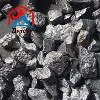
Storage and Safety Guidelines for Metallic Silicon (Silicon Metal):
1. Storage Requirements
Dry Environment:
Store in a moisture-free area to prevent reactions with water, which can produce hydrogen gas (explosive risk).
Relative humidity should be maintained below 50%.
Temperature Control:
Keep away from heat sources and direct sunlight.
Ideal storage temperature: Room temperature (15–25°C).
Ventilation:
Ensure good ventilation to avoid accumulation of dust or hydrogen gas.
Use explosion-proof ventilation systems in enclosed spaces.
Packaging:
Store in sealed, airtight containers (e.g., plastic-lined steel drums or moisture-resistant bags).
Label containers clearly with hazard warnings (e.g., "Flammable Solid," "Reacts with Water").
Segregation:
Keep away from oxidizers (e.g., nitrates, peroxides), acids, and halogens (e.g., chlorine, fluorine).
Avoid contact with water, steam, or humid air.
2. Safety Precautions
Fire and Explosion Hazards
Flammability:
Finely powdered silicon is highly flammable and can ignite spontaneously in air.
Dust clouds may explode if ignited (minimum explosive concentration: ~40 g/m³).
Firefighting Measures:
Use dry sand, dry powder extinguishers, or Class D fire extinguishers (for metal fires).
Never use water or foam (reacts exothermically, releasing hydrogen gas).
Health Hazards
Inhalation:
Silicon dust can irritate the respiratory tract, causing coughing or shortness of breath.
Prolonged exposure may lead to silicosis (rare for metallic silicon but possible with crystalline silica impurities).
Skin and Eye Contact:
Dust may cause mechanical irritation. Rinse thoroughly with water if exposed.
Ingestion:
Low toxicity if ingested, but seek medical attention if large amounts are swallowed.
Handling Precautions
Personal Protective Equipment (PPE):
Wear safety goggles, dust masks (NIOSH-approved N95 or higher), and gloves (nitrile or neoprene).
Use flame-resistant clothing in high-risk areas.
Dust Control:
Use local exhaust ventilation to minimize airborne dust.
Avoid creating dust during handling (e.g., use vacuum systems instead of brooms).
Spill and Leak Response
Small Spills:
Collect material using non-sparking tools and place in sealed containers.
Clean residue with a damp cloth (avoid water contact with bulk material).
Large Spills:
Evacuate the area and contact emergency responders.
Prevent dust dispersion by covering spills with dry sand or inert absorbents.
3. Transportation Safety
Regulatory Compliance:
Follow OSHA, NFPA, and DOT/ADR/IMDG regulations for hazardous materials.
Label shipments as "Flammable Solid" (UN1346, Class 4.1).
Packaging:
Use UN-certified containers resistant to moisture and static electricity.
Avoid Shock/Friction:
Prevent mechanical impacts that could generate sparks or ignite dust.
4. Long-Term Storage Considerations
Regular Inspections:
Check containers for corrosion, leaks, or moisture ingress.
Stability:
Metallic silicon is stable under proper storage conditions but may oxidize slowly in humid environments.
Key Risks and Mitigation
| Risk | Mitigation |
|---|---|
| Hydrogen Gas Release | Store in dry, ventilated areas. |
| Dust Explosion | Use anti-static equipment and dust control. |
| Fire Hazard | Prohibit open flames/sparks near storage. |
Emergency Contacts:
Poison Control: 1-800-222-1222 (US)
Fire Department: Use non-water-based extinguishers for silicon fires.