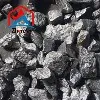
Quick Answer: Steel scrap used for ferrosilicon smelting should be clean, dry, and compositionally controlled carbon steel scrap or steel turnings. Key requirements include sufficient iron content, low levels of chromium and phosphorus, suitable particle size, and minimal rust, moisture, and contamination. Some plant-specific specifications require iron content above 95% and steel turnings no longer than 100 mm. However, actual acceptance limits should follow the furnace design and production requirements.
Steel scrap is an important iron-bearing raw material in ferrosilicon production. Its chemical composition and physical condition directly affect raw material control and the consistency of the finished alloy. For more information about ferrosilicon grades, specifications, and product forms, visit our Ferrosilicon Product Page.
Table of Contents
Why Steel Scrap Quality Matters in Ferrosilicon Smelting
Steel scrap supplies iron to the ferrosilicon production process. In a submerged arc furnace, iron-bearing materials are charged together with silica and carbonaceous reducing agents to produce an iron-silicon alloy.
The quality of steel scrap affects both the chemical composition of the finished ferrosilicon and the consistency of furnace operation. Scrap containing excessive chromium, phosphorus, or other unwanted elements may introduce impurities into the final alloy.
Its physical condition is equally important. Excessive rust, moisture, oil, and unsuitable particle sizes can create difficulties during raw material preparation, feeding, and furnace charging.
Therefore, steel scrap should be inspected and approved before being included in the furnace charge. Its acceptance criteria should match the target ferrosilicon grade and the plant's established production specifications.
1. Suitable Types of Steel Scrap for Ferrosilicon Production
Clean carbon steel scrap and suitable steel turnings are commonly used as iron-bearing raw materials in ferrosilicon smelting. However, not all metal scrap is suitable for this application.
The following table summarizes the main types of scrap and the inspection points that should be considered.
| Steel Scrap Type | Recommendation | Main Inspection Points |
|---|---|---|
| Clean carbon steel scrap | Generally suitable | Check iron content, chemical composition, cleanliness, and physical condition. |
| Carbon steel turnings | Suitable when properly prepared | Check length, moisture, fines, oil, and feeding suitability. |
| Stainless steel scrap | Not recommended for routine use without approval | May introduce excessive chromium into the finished alloy. |
| High-manganese alloy scrap | Requires composition verification | May introduce unwanted manganese and affect final alloy chemistry. |
| Cast iron scrap | Requires process approval | Check carbon content and other impurities against the approved charge specification. |
| Mixed non-ferrous scrap | Generally unsuitable | Copper, aluminum, and other metals may introduce unwanted elements. |
| Rusty or contaminated scrap | Requires inspection or rejection | Check excessive rust, dirt, paint, oil, and other contaminants. |
The important distinction is that scrap must meet the requirements of the specific ferrosilicon production process. A material containing iron is not automatically suitable as an iron-bearing furnace input.
2. Chemical Composition Requirements for Steel Scrap
Chemical composition is one of the most important factors when selecting steel scrap for ferrosilicon smelting. The objective is to supply sufficient iron while controlling unwanted elements that could affect the finished alloy.
Iron Content
Iron content determines how much metallic iron the scrap contributes to the furnace charge. The original technical guidance for this application cites an iron-content target above 95%.
This figure should be treated as a plant-specific reference rather than a universal requirement. Actual acceptance limits depend on the scrap source, furnace operation, and target alloy composition.
For scrap with an uncertain source, chemical analysis is preferable to visual inspection alone. Non-metallic contamination should also be considered when evaluating the effective iron content.
Chromium and Other Alloying Elements
Chromium is an important element to control when selecting steel scrap. Stainless steel and high-chromium alloy scrap should not be mixed into ordinary carbon steel scrap without process approval.
Uncontrolled chromium input can change the chemical composition of the finished ferrosilicon and make it more difficult to meet the required product specification.
The same principle applies to high-manganese and other alloyed steel scrap. The material should be identified and tested before charging.
Phosphorus Content
Phosphorus is another impurity that requires attention during ferrosilicon production. Excessive phosphorus may affect the suitability of the finished alloy for steelmaking applications where impurity limits are strict.
Scrap from unknown sources or mixed metal waste should therefore be evaluated against the plant's phosphorus limit. When phosphorus is a critical purchasing requirement, the maximum permitted content and inspection method should be clearly specified.
3. Steel Scrap Size, Rust and Moisture Requirements
In addition to chemical composition, the physical characteristics of steel scrap influence material handling and furnace charging. This is particularly important when steel turnings are used instead of larger scrap pieces.
Steel Scrap Size and Length
Steel scrap should have a suitable size for the plant's charging and feeding equipment. Oversized or tangled steel turnings may cause feeding difficulties and uneven material distribution.
Some technical guidance recommends that steel turnings should not exceed 100 mm in length. This value can be used as a reference when preparing a purchasing specification, but the actual limit should be confirmed according to the feeding system and furnace design.
Rust and Surface Contamination
Steel scrap should be reasonably clean and free from excessive rust, dirt, paint, and non-metallic materials.
Heavy rust and surface contamination make the effective metallic content less predictable. They may also introduce unwanted materials into the furnace charge.
Before charging, operators should inspect the scrap for:
- Excessive surface rust and loose oxidation products.
- Attached soil, sand, and non-metallic materials.
- Paint, coatings, and other foreign substances.
- Unidentified metal pieces mixed with carbon steel scrap.
Moisture, Oil and Fine Particles
Steel scrap should be dry before furnace charging. Wet scrap can create serious safety hazards when introduced into high-temperature furnace operations. Moisture control is particularly important for loose steel turnings.
Steel turnings containing cutting oil, coolant, or other residues should be handled according to the plant's approved cleaning and safety procedures.
Excessive fines should also be controlled because they may increase handling losses and make the feeding process less consistent.
4. Steel Scrap Inspection Checklist Before Smelting
Establishing a consistent incoming inspection procedure helps prevent unsuitable materials from entering the furnace. The following checklist can be used by raw material purchasing and quality control teams.
| Inspection Item | What to Check | Recommended Action |
|---|---|---|
| Material identity | Confirm carbon steel scrap or steel turnings. | Separate unidentified or mixed alloy scrap. |
| Chemical composition | Check iron content, chromium, phosphorus, and other relevant elements. | Use appropriate sampling and chemical analysis. |
| Dimensions | Check scrap size, turning length, and fines content. | Cut, screen, or reject unsuitable material. |
| Surface condition | Inspect rust, dirt, paint, and non-metallic contamination. | Accept only material meeting the cleanliness requirements. |
| Moisture and residues | Check visible water, oil, coolant, and other residues. | Follow approved preparation and safety procedures. |
| Feeding suitability | Check whether the material can be handled and charged consistently. | Confirm compatibility with the feeding system. |
| Batch traceability | Record supplier, source, batch, and inspection results. | Maintain receiving and quality records. |
For quantitative requirements, the purchasing specification should clearly identify the acceptance limits, sampling method, testing procedure, and actions required when a batch fails inspection.
5. Relationship Between Steel Scrap and Other Ferrosilicon Raw Materials
Steel scrap is only one component of the ferrosilicon furnace charge. Its quality must be considered together with silica and carbonaceous reducing agents.
Each raw material performs a different function in the smelting process:
- Steel scrap: Supplies iron to the finished iron-silicon alloy.
- Quartz or silica: Supplies silicon through the reduction process.
- Coke and other carbonaceous materials: Provide the reducing agent required for smelting.
Changes in one raw material may require adjustments to the overall charge recipe. Therefore, raw material quality should be evaluated as part of the complete furnace burden rather than independently.
For a more complete understanding of ferrosilicon production, see the following related technical guides:
- Ferrosilicon Production – Learn about ferrosilicon production, product grades, and specifications.
- Quartz Quality for Ferrosilicon Production – Understand silica quality and impurity control.
- What Kind of Coke Is Suitable for Ferrosilicon Smelting? – Learn about the requirements for carbonaceous reducing agents.
- Ferrosilicon 72 Specifications – Review a representative commercial ferrosilicon grade.
- Ferrosilicon 75 Specifications – Explore another commonly used ferrosilicon grade.
6. How to Specify Steel Scrap for Ferrosilicon Smelting
Before purchasing steel scrap, buyers and production teams should agree on the material source, chemical composition, physical dimensions, cleanliness, and inspection requirements.
A practical purchasing specification should include the following information:
| Specification Field | Required Information |
|---|---|
| Material type | Approved carbon steel scrap or steel turnings. |
| Chemical composition | Minimum iron content and maximum limits for chromium, phosphorus, and other relevant elements. |
| Physical dimensions | Permitted scrap size, maximum turning length, and fines content. |
| Cleanliness | Requirements for rust, dirt, paint, oil, and other contaminants. |
| Moisture | Dryness requirements and approved material preparation procedures. |
| Inspection | Sampling method, chemical analysis, batch records, and rejection procedures. |
The iron-content target above 95% and the 100 mm maximum turning length mentioned in this article should only be treated as binding requirements when confirmed by the relevant production specification.
Frequently Asked Questions About Steel Scrap for Ferrosilicon Smelting
1. What type of steel scrap is used for ferrosilicon smelting?
Clean carbon steel scrap and suitable steel turnings are commonly used as iron-bearing materials. They should meet the plant's chemical composition, physical size, cleanliness, and safety requirements.
2. Why should stainless steel scrap be avoided?
Stainless steel scrap may introduce chromium into the furnace charge. Unless the production process specifically allows it, this can make the chemical composition of the finished ferrosilicon more difficult to control.
3. What iron content should steel scrap have?
The original technical guidance cites an iron-content target above 95%. However, the actual requirement depends on the scrap source, furnace practice, and target ferrosilicon grade.
4. What is the maximum length of steel turnings?
A maximum length of 100 mm is cited in some technical guidance. The actual limit should be confirmed according to the plant's feeding equipment and furnace operating conditions.
5. Can rusty steel scrap be used for ferrosilicon production?
Scrap with minor surface oxidation may be evaluated differently from heavily rusted material. Excessive rust, dirt, and loose contamination should be controlled according to the plant's raw material acceptance requirements.
6. Can wet steel scrap be charged directly into the furnace?
Wet scrap should not be charged without an approved preparation and safety procedure. Moisture can create serious hazards during high-temperature furnace operations.
Contact Us for Ferrosilicon Products and Specifications
Choosing the right raw materials is essential for stable ferrosilicon production. The quality of steel scrap, silica, and carbonaceous reducing agents should be evaluated together to maintain consistent furnace operation and finished alloy quality.
ZHEN AN INTERNATIONAL CO., LIMITED supplies Ferrosilicon 75, Ferrosilicon 72, Ferrosilicon 65, and other ferrosilicon grades for steelmaking and foundry applications.
We can discuss your requirements for chemical composition, particle size, packaging, and delivery arrangements. Please provide your target grade, quantity, and destination so our team can assist with your inquiry.