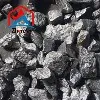
Ferrosilicon smelting precautions mainly involve raw material quality, charge preparation, carbon balance, furnace permeability, electrode position, slag formation and tapping operations. During ferrosilicon production, these factors directly affect furnace stability, silicon recovery, energy consumption and final alloy quality.
Ferrosilicon is generally produced in a submerged arc furnace (SAF) through the carbothermic reduction of silica. Quartz or quartzite provides the silicon source, steel scrap supplies iron, and carbonaceous materials such as coke, coal and semi-coke act as reducing agents. Maintaining stable furnace conditions requires careful control of the entire smelting process rather than simply increasing furnace temperature or adjusting electrode positions.
This guide explains the main precautions during ferrosilicon smelting, common furnace problems and the factors operators should monitor to maintain stable production.
Quick Answer: 7 Key Ferrosilicon Smelting Precautions
- Check the chemical composition and physical quality of quartz, coke and iron-bearing materials.
- Control raw material moisture, particle size and charge proportions.
- Maintain suitable furnace burden permeability for stable gas circulation.
- Monitor electrode position, electrical load and furnace resistance.
- Maintain an appropriate carbon balance to support silica reduction.
- Monitor slag formation, tapping conditions and molten alloy quality.
- Prevent water contamination, control furnace gases and follow molten-metal safety procedures.
1. Understand the Ferrosilicon Smelting Process
Before discussing ferrosilicon smelting precautions, it is important to understand how the submerged arc furnace works.
Ferrosilicon production is a high-temperature reduction process. Prepared quartzite, iron-bearing materials and carbon reductants are weighed, mixed and charged into the furnace. Electrical energy generates the heat required for the reduction reactions, while carbon removes oxygen from silicon and iron oxides. The resulting molten ferrosilicon accumulates in the lower furnace and is periodically tapped together with slag.
The main raw materials include:
| Raw Material | Main Function | Important Quality Factors |
|---|---|---|
| Quartz / Quartzite | Provides silicon dioxide (SiO2) as the silicon source. | SiO2 content, impurity levels, particle size and mechanical strength. |
| Coke / Semi-coke | Provides fixed carbon for the reduction reactions. | Fixed carbon, ash, sulfur, phosphorus and electrical properties. |
| Coal / Charcoal | Provides additional carbon and adjusts the reductant blend. | Fixed carbon, volatile matter, ash and reactivity. |
| Steel Scrap | Provides iron for ferrosilicon alloy formation. | Iron content and control of chromium, phosphorus and other impurities. |
| Wood Chips | May be used as a charge-bulking material to improve burden permeability. | Moisture, size distribution and consistency. |
The proportions and combination of these materials depend on the ferrosilicon grade, furnace design and production conditions. Different carbon reductants do not behave identically. Their fixed carbon, ash content, electrical resistance and reactivity can influence furnace performance and silicon recovery.
For more information, see our article on why gas coke can be used for ferrosilicon smelting.
2. Select and Prepare Raw Materials Carefully
Raw material quality directly influences the chemical composition of ferrosilicon, furnace operation and production efficiency. Even when the furnace operates normally, unsuitable raw materials can increase slag generation, introduce unwanted impurities and reduce silicon recovery.
Quartz and Quartzite Quality
Quartz or quartzite is the primary silicon-bearing material. Its SiO2 content and impurity composition should meet the requirements of the intended ferrosilicon grade.
Pay particular attention to the following factors:
- SiO2 content: Consistent silica content helps maintain stable silicon input and charge calculations.
- Al2O3 and other impurities: Excessive aluminum oxide, calcium oxide, magnesium oxide and other gangue components can affect slag composition and final alloy chemistry.
- Particle size: Inconsistent sizing can affect material distribution, gas flow and the stability of the furnace burden.
- Mechanical strength: Quartzite should maintain sufficient strength during handling and charging to limit excessive fines.
Carbon Reductant Quality
Coke, coal, semi-coke and charcoal can be used in different combinations as carbon reductants. However, the same mass of different carbon materials does not necessarily provide the same effective carbon input.
Before charging, check:
- Fixed carbon: Determines the effective carbon contribution of the reductant.
- Ash content: Excessive ash introduces additional non-reducible material and can increase the slag burden.
- Sulfur and phosphorus: These impurities should be controlled according to the required alloy specification.
- Electrical resistance: Different carbon materials can affect the electrical characteristics of the furnace burden.
- Reactivity: Different reductants react at different rates, influencing the overall reduction process.
Do not select a reductant only by its purchase price or fixed carbon content. Its performance should also be evaluated under the actual furnace conditions.
Iron-Bearing Material Quality
Steel scrap or other approved iron-bearing materials provide the iron component of ferrosilicon. Their chemical composition must be checked before use.
Uncontrolled scrap sources can introduce chromium, phosphorus and other unwanted elements into the alloy. Maintain clear material identification and separate different scrap grades to avoid unintended changes in the final chemical composition.
Raw materials should also be stored and prepared under suitable conditions. Wet or contaminated materials should not be charged without following the plant's approved inspection and preparation procedures.
3. Control Charge Proportions and Furnace Permeability
Proper charge preparation is another important precaution in ferrosilicon furnace operation. The ratio of quartzite, iron-bearing materials and carbon reductants determines the chemical balance of the charge.
An insufficient carbon supply can limit the reduction of silicon dioxide, while excessive carbon input can change the furnace reaction conditions and affect silicon recovery. Therefore, the carbon balance must be calculated according to the actual chemical composition of the raw materials rather than relying on a fixed charging ratio for every production batch.
Furnace permeability is equally important. During smelting, carbon monoxide and other reaction gases move upward through the charge. The burden must maintain suitable void spaces to allow these gases to pass through the furnace.
Excessive fines, uneven particle sizes or poor material distribution can restrict gas movement and contribute to unstable furnace conditions.
Important precautions include:
- Maintain consistent particle-size distribution in the prepared charge.
- Control the proportion of fine materials to prevent excessive accumulation.
- Ensure uniform mixing and distribution of raw materials.
- Adjust the charge composition according to actual raw material analysis.
- Monitor burden movement and gas-flow conditions during furnace operation.
- Investigate abnormal charge settling or gas-release patterns rather than making arbitrary changes to the feed ratio.
A stable furnace burden helps maintain consistent heat transfer and reaction conditions, supporting more predictable ferrosilicon production.
4. Monitor Electrode Position and Electrical Furnace Conditions
Electrode position is an important operating factor in a submerged arc furnace. The electrodes supply electrical energy to the charge, creating the high-temperature reaction zones required for ferrosilicon smelting.
Changes in electrode position affect the electrical characteristics and heat distribution of the furnace. Therefore, electrode movement should be coordinated with the electrical load, furnace resistance and overall burden conditions.
Operators should pay attention to the following indicators:
| Operating Factor | What to Monitor | Potential Impact |
|---|---|---|
| Electrode position | Electrode depth, movement and relative position. | Influences heat distribution and furnace reaction zones. |
| Electrical current | Current fluctuations and phase balance. | Helps identify changes in electrical operating conditions. |
| Furnace resistance | Resistance trends and abnormal fluctuations. | Provides information about the electrical behavior of the charge. |
| Power consumption | Energy consumption per ton of ferrosilicon. | Helps evaluate smelting efficiency and operating stability. |
| Burden condition | Charge settling, gas release and surface conditions. | Helps identify problems with charge distribution and permeability. |
One common mistake is assuming that deeper electrode insertion or higher furnace temperature will automatically solve an unstable furnace condition. Electrode adjustment must follow the furnace's operating requirements and electrical control strategy.
For example, abnormal resistance changes may be associated with variations in the carbon reductant, charge composition, burden permeability or electrode position. Operators should evaluate these factors together before adjusting furnace parameters.
5. Prevent Excessive Slag Formation During Smelting
Slag formation is a normal part of ferrosilicon production. However, excessive slag volume or abnormal slag behavior can increase energy consumption, complicate tapping and affect the recovery of the alloy.
It is important to understand that excessive slag does not have only one cause. A long-term carbon shortage may interfere with silica reduction, but raw material impurities, reductant ash, charge composition, furnace conditions and tapping practices can also contribute to abnormal slag accumulation.
When excessive slag is observed, check the following factors:
- Carbon balance: Check whether the effective carbon input matches the reduction requirements of the charge.
- Quartzite quality: Review SiO2 content and the amount of gangue entering the furnace.
- Reductant ash: Check whether the ash content of coke, coal or semi-coke has changed.
- Charge composition: Verify the weighing, mixing and feeding records.
- Electrical conditions: Review furnace resistance, power input and electrode operating trends.
- Tapping conditions: Check whether slag and molten alloy are being discharged effectively.
How to Handle Excessive Slag
When slag volume increases, the first step should be to identify the cause rather than immediately changing furnace operation.
A practical troubleshooting sequence is:
- Check raw material analysis. Compare the current quartzite and reductant composition with previous production batches.
- Review the carbon balance. Confirm whether changes in fixed carbon, ash or material proportions have affected the charge.
- Inspect furnace operating records. Compare electrical load, electrode movement and burden conditions before and after the problem appeared.
- Evaluate slag and tapping conditions. Review slag characteristics, discharge behavior and tap-hole condition.
- Adjust the operating strategy. Make changes only after identifying the likely cause and confirming the appropriate procedure with the furnace technical team.
Expanding the tap hole, changing electrode depth or increasing furnace power should not be treated as universal solutions. These actions can affect furnace operation and must be based on the actual furnace condition, equipment design and approved operating procedures.
6. Pay Attention to Tapping and Molten Alloy Handling
Tapping is an important stage in ferrosilicon production. The molten alloy and slag accumulated in the furnace hearth are discharged through the tap hole into a suitable ladle or casting system.
Irregular tapping operations can cause production interruptions, metal losses and difficulties in separating slag from molten ferrosilicon.
The main precautions include:
- Inspect the tap-hole area and related equipment according to the maintenance schedule.
- Confirm that the tapping channel and ladle are suitable for the planned operation.
- Keep tools, ladles and other equipment that may contact molten metal dry and prepared according to approved procedures.
- Monitor the flow of molten alloy and slag during tapping.
- Use appropriate protective equipment and maintain safe distances from the molten-metal flow.
- Record tapping conditions and investigate abnormal discharge behavior.
After tapping, the molten ferrosilicon is transferred for cooling and solidification. The solidified alloy can then be crushed, screened and classified according to the required commercial particle sizes.
Particle-size control during crushing and screening is important because excessive fines or an inconsistent size distribution may affect subsequent material handling and customer applications.
7. Follow Safety Precautions During Ferrosilicon Smelting
Ferrosilicon smelting involves high temperatures, electrical equipment, molten metal and furnace gases. Production efficiency must never take priority over safe operating procedures.
Prevent Water from Contacting Molten Metal
Water contamination is one of the most serious hazards in high-temperature metal production. When water enters molten metal, rapid steam generation can cause violent explosions and molten-metal splashes.
Therefore:
- Inspect raw materials and scrap for trapped or surface moisture.
- Store materials in suitable covered and dry areas.
- Check ladles, tools and other equipment before they come into contact with molten metal.
- Follow approved drying and preheating procedures where required.
- Investigate water leaks around furnace and casting areas immediately.
Control Carbon Monoxide Exposure
Carbon monoxide (CO) is generated during the carbothermic reduction reactions in ferrosilicon production. It is a highly toxic gas that cannot be detected reliably by smell.
Furnace gas collection, ventilation, gas monitoring and alarm systems must be maintained according to the furnace design and applicable safety requirements. Personnel should not enter potentially hazardous areas without following the relevant gas-testing and confined-space procedures.
Control Dust and High-Temperature Hazards
Raw material preparation, furnace charging, tapping, crushing and screening can generate dust and expose workers to high temperatures.
Use suitable dust-collection equipment, maintain effective ventilation and provide appropriate protective equipment for personnel working around furnaces and molten alloy.
All furnace adjustments, maintenance and emergency operations should follow documented plant procedures and be performed by authorized personnel.
8. Common Ferrosilicon Furnace Problems and What to Check
When abnormal conditions occur during ferrosilicon smelting, identifying the underlying cause is more important than immediately changing operating parameters.
| Observed Problem | Possible Contributing Factors | Recommended Checks |
|---|---|---|
| Excessive slag formation | High raw material impurity levels, reductant ash, carbon imbalance or unsuitable furnace conditions. | Check raw material analysis, carbon balance, charge composition and slag characteristics. |
| Unstable furnace resistance | Changes in reductant properties, burden permeability, charge distribution or electrode position. | Review electrical records, electrode movement and charge preparation. |
| High material fines | Weak raw materials, excessive breakage during handling or unsuitable screening conditions. | Inspect raw material strength, conveying, crushing and screening processes. |
| Low silicon recovery | Unbalanced carbon input, reductant quality, raw material composition or unstable furnace conditions. | Compare material balances, raw material analysis and actual alloy test results. |
| Unstable tapping | Tap-hole condition, furnace hearth conditions or unsuitable tapping arrangements. | Inspect tapping records, tap-hole maintenance and equipment condition. |
| Inconsistent alloy composition | Variation in quartzite, iron-bearing materials, reductants or production conditions. | Compare batch chemical analysis and raw material feeding records. |
These checks are intended to guide troubleshooting, not replace furnace-specific operating instructions. The appropriate response depends on furnace design, operating history and the actual measurements collected by the production team.
9. How to Maintain Consistent Ferrosilicon Quality
Stable ferrosilicon quality depends on more than furnace temperature. It requires consistent control from raw material purchasing through final product inspection.
We recommend paying attention to four areas:
- Raw material inspection: Check the chemical composition, particle size and physical condition of incoming quartzite, carbon reductants and iron-bearing materials.
- Production monitoring: Maintain records of charge proportions, electrode position, electrical conditions and tapping operations.
- Batch testing: Analyze the silicon content and relevant impurities in the finished alloy to verify compliance with the required grade.
- Crushing and screening: Control particle-size distribution and remove excessive fines according to the product specification.
For buyers, these production controls are also useful when evaluating a ferrosilicon manufacturer. Requesting a batch-specific Certificate of Analysis (COA) helps you verify whether the delivered product meets the agreed chemical specification.
You can also refer to our Ferrosilicon 75 specifications and Ferrosilicon 75 COA guide for more information about product quality and chemical composition.
Frequently Asked Questions About Ferrosilicon Smelting Precautions
What are the most important precautions during ferrosilicon smelting?
The main precautions include controlling raw material quality, maintaining a suitable carbon balance, preparing a permeable furnace burden, monitoring electrode position and electrical conditions, controlling slag formation and following safe tapping procedures.
What raw materials are used in ferrosilicon production?
The main raw materials are quartz or quartzite, carbonaceous reductants such as coke, coal and semi-coke, and iron-bearing materials such as steel scrap. Wood chips or other bulking materials may also be used according to the furnace process.
Why is carbon balance important in ferrosilicon smelting?
Carbon provides the reducing power required to remove oxygen from silicon-bearing materials. Insufficient effective carbon can interfere with silica reduction, while an unsuitable reductant blend can affect furnace electrical behavior, energy consumption and silicon recovery.
What causes excessive slag in a ferrosilicon furnace?
Possible causes include high impurity levels in quartzite, excessive ash in carbon reductants, unsuitable charge composition, an unbalanced carbon supply and abnormal furnace conditions. Excessive slag should be investigated through raw material analysis, production records and slag examination rather than attributed to one cause alone.
How does electrode position affect ferrosilicon smelting?
Electrode position influences the electrical characteristics and heat distribution of a submerged arc furnace. Changes in electrode depth should be coordinated with furnace resistance, electrical load and burden conditions to maintain stable operation.
Why is furnace permeability important?
Furnace permeability allows reaction gases to move upward through the charge. Excessive fines, inconsistent particle sizes or poor charge distribution can restrict gas movement and contribute to unstable furnace conditions.
What safety risks should be considered during ferrosilicon smelting?
The main risks include molten-metal splashes, water contamination, carbon monoxide exposure, electrical hazards, high temperatures and dust. Appropriate ventilation, gas monitoring, dry material handling, protective equipment and documented operating procedures are essential.
Conclusion
Successful ferrosilicon smelting depends on the coordinated control of raw materials, carbon reductants, furnace burden, electrode operation and tapping conditions. No single adjustment can solve every furnace problem. Operators need to evaluate production records and actual furnace conditions before changing the operating strategy.
At ZhenAn, we focus on ferrosilicon production and supply for steelmaking and foundry applications. We understand the importance of chemical composition, consistent particle sizes and reliable batch quality in industrial procurement.
If you are sourcing FeSi75, FeSi72 or other ferrosilicon grades, you are welcome to contact us with your required specifications, particle size and order quantity. We can discuss suitable product options, quality documentation and export arrangements according to your requirements.
Technical References
- U.S. EPA – AP-42 Background Report: Ferroalloy Production. Technical background on submerged arc furnace processes, raw material preparation, tapping and emissions.
- The Effect of Different Carbon Reductants on the Production of Ferrosilicon 75% on an Industrial Scale in an Electric Arc Furnace (2023). Research on reductant combinations and their effects on industrial ferrosilicon production.
- UK Health and Safety Executive – Safety Hazards in the Molten Metal Industries. Guidance on molten-metal and water contamination hazards.