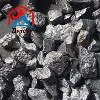
88% metallurgical silicon carbide is widely used in the steel and foundry industries as an effective metallurgical additive and deoxidizing material. Due to its high silicon carbide content and stable chemical composition, SiC 88 helps improve metallurgical reactions during steelmaking while reducing production costs.
Compared with traditional deoxidizers such as ferrosilicon or aluminum, silicon carbide contains both silicon and carbon, which allows it to perform dual functions during the smelting process. As a result, many steel plants use metallurgical silicon carbide to improve steel quality, enhance reaction efficiency, and reduce energy consumption.
Our 88% metallurgical silicon carbide is produced under strict quality control and is widely supplied to steel manufacturers, foundries, and refractory producers worldwide.
1. What is 88% Metallurgical Silicon Carbide
Metallurgical silicon carbide refers to silicon carbide material specifically used in metallurgical processes such as steelmaking and iron casting. The grade known as SiC 88 contains approximately 88% silicon carbide, making it suitable for use as a deoxidizer and alloy additive in molten steel.
Because silicon carbide contains both silicon and carbon elements, it can participate in deoxidation reactions while simultaneously adjusting the chemical composition of the metal. This dual functionality makes metallurgical silicon carbide a cost-effective additive in modern steel production.
The relatively high SiC content ensures stable metallurgical performance while maintaining reasonable production costs, which is why the 88% grade is commonly used in industrial applications.
2. Applications of 88% Metallurgical Silicon Carbide
88% silicon carbide is used in several metallurgical and industrial processes. The most common applications include steelmaking, foundry production, and refractory manufacturing.
Steelmaking
In steelmaking processes such as electric arc furnaces and basic oxygen furnaces, silicon carbide is used as a deoxidizer and alloy additive. When added to molten steel, it helps remove oxygen and improve the chemical balance of the metal.
Foundry Industry
Silicon carbide is also widely used in iron casting. It helps improve carbon content and promotes a more stable metallurgical reaction during melting, which can enhance casting quality.
Refractory Materials
Because of its excellent thermal stability and resistance to high temperatures, silicon carbide is also used in refractory materials and furnace linings.

3. Chemical Composition of SiC 88
The chemical composition of metallurgical silicon carbide determines its performance in industrial applications. A typical specification for 88% silicon carbide is shown below.
| Grade | SiC (%) | C (%) | SiO₂ (%) | Fe₂O₃ (%) |
|---|---|---|---|---|
| SiC 88 | ≥88 | ≤3.0 | ≤4.0 | ≤1.5 |
These specifications may vary slightly depending on production methods and customer requirements.
Common sizes include:
- 0–1 mm
- 1–3 mm
- 3–5 mm
- 5–10 mm
- 10–50 mm
Custom particle sizes can also be produced according to specific requirements in steelmaking or foundry processes.
4. Advantages of 88% Silicon Carbide in Steelmaking
Many steel plants use metallurgical silicon carbide because of its performance advantages compared with traditional additives.
Efficient Deoxidation
Silicon carbide contains both silicon and carbon, allowing it to remove oxygen from molten steel more effectively.
Improve Steel Quality
By reducing oxygen content and improving metallurgical reactions, silicon carbide can help produce cleaner steel with fewer inclusions.
Reduce Production Costs
Compared with some traditional deoxidizers, silicon carbide can provide similar metallurgical benefits at a lower cost, making it attractive for large-scale steel production.
Stable Metallurgical Performance
Because of its consistent composition, SiC 88 provides stable performance during high-temperature smelting operations.
5. Production Process of Metallurgical Silicon Carbide
Most metallurgical silicon carbide is produced using the Acheson process, which involves heating silica sand and carbon materials in an electric resistance furnace at extremely high temperatures.
During the reaction, carbon reduces silica to form silicon carbide crystals. After cooling, the material is crushed, graded, and processed into different particle sizes suitable for industrial applications.
This process produces silicon carbide with stable chemical composition and high hardness, making it suitable for metallurgical use.
6.FAQ
Q1:What is metallurgical silicon carbide used for?
A1:Metallurgical silicon carbide is mainly used as a deoxidizer and additive in steelmaking and foundry processes.
Q2:Why is silicon carbide used in steelmaking?
A2:Silicon carbide helps remove oxygen from molten steel and contributes silicon and carbon elements, improving metallurgical efficiency.
Q3:What does SiC 88 mean?
A3:SiC 88 refers to metallurgical silicon carbide with a minimum silicon carbide content of approximately 88%.
Q4:What industries use silicon carbide?
A4:Silicon carbide is widely used in metallurgy, foundry production, refractory materials, and abrasive manufacturing.

One-Stop Metallurgical Material Factory In China
Get the most competitive March 2026 factory prices for Silicon Carbide 88 and 90. With our massive stock at Huangpu Port and fast global shipping, we help you secure your supply chain and maximize production ROI.