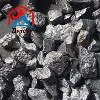
Casting defects remain a common challenge in foundry production. In practical foundry operations, the use of 88% metallurgical silicon carbide as metallurgical additives has become an effective method to reduce casting defects. Even with controlled melting and pouring processes, problems such as gas porosity, slag inclusions, shrinkage cavities, and inconsistent chemical composition can affect final casting quality. Proper use of metallurgical silicon carbide as a silicon carbide additive in molten metal can help stabilize melt chemistry and improve casting conditions. These defects may lead to machining difficulties, reduced mechanical performance, or rejection of finished components.
To control these issues, foundries often rely on metallurgical additives that help stabilize molten metal chemistry during melting and refining. When added to molten iron or steel, silicon carbide functions as a combined source of silicon and carbon while also participating in metallurgical reactions that influence oxygen activity and slag behavior.
Because of these characteristics, silicon carbide for casting is commonly used in induction furnaces, cupola furnaces, and electric arc furnace operations. silicon carbide,as a additive, it can support better control of melt composition and help reduce casting defects associated with gas generation, slag formation, and chemical imbalance.
The following sections explain how metallurgical silicon carbide behaves in foundry processes and why the SiC 88 grade is widely used in casting production.
1. Common Casting Defects in Foundry Production and the Role of Silicon Carbide for Casting
Casting defects arise when molten metal conditions are not fully controlled during melting, refining, or solidification. In foundry practice, the use of metallurgical additives such as 88% metallurgical silicon carbide and other silicon carbide additives can help stabilize melt chemistry and process conditions. Understanding these defects is important when evaluating how metallurgical silicon carbide and silicon carbide for casting applications can help reduce casting defects.
Gas Porosity
Gas porosity occurs when dissolved gases form bubbles during solidification. In iron and steel castings, this is often associated with oxygen or carbon monoxide reactions within the melt. Excess oxygen in molten metal can promote gas formation, especially if deoxidation is incomplete.
Shrinkage Cavities
Shrinkage cavities develop when liquid metal fails to compensate for volume contraction during solidification. While this defect is largely related to casting design and feeding systems, melt composition and fluidity can also influence its formation.
Slag Inclusions
Slag inclusions appear when non-metallic particles become trapped in the casting during pouring or solidification. These inclusions often originate from oxidized materials, furnace slag, or refractory particles.
Composition Imbalance
Maintaining the correct carbon and silicon levels is essential for many cast iron and steel grades. If these elements are not properly controlled during melting, the resulting microstructure may deviate from the intended specification.
In many foundry operations, the use of appropriate metallurgical additives helps maintain chemical stability and minimize these types of casting defects.
2. What is 88% Metallurgical Silicon Carbide
88% metallurgical silicon carbide refers to a grade of silicon carbide used in metallurgical processes where the silicon carbide content is approximately in the high-eighty percent range. This grade is commonly used in foundries and steel plants because it provides consistent metallurgical behavior while remaining economically practical.
Metallurgical silicon carbide is produced by reacting silica and carbon in high-temperature electric furnaces. After production, the material is crushed and graded into different particle sizes suitable for furnace charging.
Compared with higher-purity silicon carbide used in abrasives or electronic materials, metallurgical grades prioritize:
- Stable chemical composition
- Consistent particle size distribution
- Reliable dissolution behavior in molten metal
In foundry applications, silicon carbide for casting is typically added as a granular or lump material during furnace charging or melting. Once exposed to molten metal temperatures, the material gradually reacts and releases both silicon and carbon into the melt.
This dual-element contribution is one reason why SiC 88 is widely used as a silicon carbide additive in casting operations.

3. Role of Silicon Carbide in Foundry Metallurgy
In molten metal systems, metallurgical silicon carbide performs several metallurgical functions that can influence melt quality and casting performance.
Carbon Source
Carbon is a critical element in both cast iron and steel. Silicon carbide contains bonded carbon within its crystal structure, which becomes available in the melt during high-temperature reactions. This allows silicon carbide to act as a supplementary carbon source during melting.
Silicon Source
Silicon is widely used as an alloying element in cast iron and certain steel grades. When silicon carbide dissolves in molten metal, it releases silicon that can contribute to composition adjustment.
Metallurgical Additive
Beyond simple alloying, silicon carbide can influence the chemical equilibrium between metal, slag, and dissolved oxygen. These interactions are important in controlling oxide formation and maintaining melt cleanliness.
Because of these combined roles, silicon carbide for casting is often used as a multifunctional metallurgical additive rather than a sin
4. How 88% Metallurgical Silicon Carbide Helps Reduce Casting Defects
The ability of 88% metallurgical silicon carbide to support melt chemistry and slag balance explains why it can help reduce casting defects in foundry production.
Improve Carbon and Silicon Balance
Cast iron and many steel grades require specific carbon and silicon levels. Silicon carbide contributes both elements simultaneously, allowing foundries to adjust composition while maintaining chemical balance.
When carbon and silicon levels are stable, the resulting solidification behavior tends to be more predictable, which can improve casting quality.
Reduce Gas Porosity
Oxygen present in molten metal can contribute to gas formation during solidification. Silicon carbide participates in reactions that reduce oxygen activity in the melt.
Lower oxygen levels help limit gas formation, which may reduce the risk of porosity in cast components.
Improve Molten Metal Fluidity
Fluidity is important for proper mold filling. Silicon and carbon additions can influence the structure and viscosity of molten metal systems.
By supporting stable chemical composition, metallurgical silicon carbide can help maintain fluid melt conditions that improve mold filling during casting.
Reduce Slag Inclusions
Oxide particles and slag can become trapped in castings if melt cleanliness is not maintained. Reactions involving silicon carbide can influence slag chemistry and help promote separation between slag and metal phases.
Improved slag control may reduce the likelihood of non-metallic inclusions appearing in finished castings.
5. Typical Chemical Composition of SiC 88
The chemical composition of 88% metallurgical silicon carbide can vary slightly depending on manufacturing conditions and raw materials. However, the following table shows the typical qualitative characteristics of this grade.
| Property | Typical Range or Description |
|---|---|
| Silicon Carbide (SiC) | Approximately 88% |
| Free Carbon | Present in small amounts |
| Free Silicon | Minor quantities depending on production method |
| Iron (Fe) | Trace impurity |
| Aluminum Oxide | Trace impurity |
| Other Oxides | Small residual amounts |
In metallurgical applications, the focus is generally on maintaining stable SiC content and consistent reaction behavior in molten metal rather than achieving extremely high purity.
6.FAQ
Q1:What is 88% metallurgical silicon carbide used for?
A1:88% metallurgical silicon carbide is commonly used as a metallurgical additive in foundries and steel plants. It provides both silicon and carbon while supporting reactions that influence oxygen activity and slag behavior.
Q2:Why is silicon carbide used in casting?
A2:Silicon carbide for casting helps adjust melt composition, improve metallurgical stability, and reduce the risk of defects such as gas porosity and slag inclusions.
Q3:Is silicon carbide a carbon additive?
A3:Yes. Silicon carbide can act as a carbon source because carbon is part of its crystal structure. When exposed to molten metal temperatures, carbon becomes available in the melt.
Q4:Can metallurgical silicon carbide replace ferrosilicon?
A4:In some foundry operations, metallurgical silicon carbide may partially replace ferrosilicon because it supplies silicon. However, the two materials behave differently, and many foundries use both depending on the required melt chemistry.
Q5:When should silicon carbide be added in casting production?
A5:The silicon carbide additive is often added during furnace charging or the early melting stage so that it has time to dissolve and react with molten metal.

One-Stop Metallurgical Material Factory In China
Get the most competitive March 2026 factory prices for Silicon Carbide 88 and 90. With our massive stock at Huangpu Port and fast global shipping, we help you secure your supply chain and maximize production ROI.