1. Introduction
Modern steel plants face increasing pressure to improve operational efficiency, reduce energy consumption, and cut costs while maintaining high product quality. Metallurgical additives play a critical role in optimizing the steel production process, and silicon carbide for steelmaking has emerged as a key material to address these challenges. Metallurgical silicon carbide enhances steelmaking efficiency by streamlining key processes, reducing waste, and improving product quality, making it an indispensable additive in modern steel production. This article explores how silicon carbide transforms steelmaking operations, its role in addressing industry challenges, and why it is preferred by steel plants worldwide.
2. Challenges in Modern Steelmaking
Modern steel production faces three core challenges that directly impact steelmaking efficiency: high energy consumption, strict impurity control, and the need to boost overall production efficiency. Energy costs account for a significant portion of steel plant expenses, with furnaces requiring massive energy inputs to reach and maintain molten steel temperatures. Impurity control is another critical issue-even small amounts of oxygen, sulfur, or other contaminants can reduce steel quality and lead to product defects. Additionally, the steel production process demands consistency and speed to meet market demand, making efficiency improvements a top priority for steel plants.

3. What is Metallurgical Silicon Carbide
Metallurgical silicon carbide is a synthetic compound with a crystalline structure formed by strong covalent bonding between silicon (Si) and carbon (C) atoms. As a specialized SiC additive, it is produced in metallurgical grade, which is optimized for high-temperature industrial applications like steelmaking. This grade is engineered to have controlled purity, particle size, and chemical composition, ensuring consistent performance in molten steel environments. metallurgical silicon carbide is distinct from other SiC grades due to its suitability for metallurgical processes, making it ideal for use as an additive in steel production.
4. Role of Silicon Carbide in Steelmaking
Silicon carbide serves three key roles in the steelmaking process as a versatile silicon carbide additive. First, it acts as an effective additive to optimize molten steel reactions. Second, it functions as a reliable carbon source, providing the carbon needed to adjust steel composition and improve hardness. Third, it serves as a silicon source, contributing to the formation of desirable alloys in the final steel product. These dual and triple functions make silicon carbide for steelmaking a multi-purpose material that simplifies the production process and enhances overall efficiency.
5.How Silicon Carbide Improves Steelmaking Efficiency
Efficient Deoxidation
Silicon carbide acts as a powerful silicon carbide deoxidizer, removing excess oxygen from molten steel through two key reactions: Si + O → SiO₂ and C + O → CO. Unlike traditional deoxidizers, it reacts efficiently at high temperatures, converting oxygen into harmless byproducts that can be easily removed from the molten steel. This process reduces the time required for steel deoxidation, speeds up the production cycle, and minimizes the risk of oxygen-related defects, directly boosting steelmaking efficiency.
Improved Metallurgical Reactions
As a silicon carbide additive, it stabilizes molten steel reactions in the furnace, creating a more consistent and controlled environment. It helps maintain optimal temperature and chemical balance, reducing fluctuations that can lead to inefficiencies or product defects. By stabilizing these reactions, silicon carbide ensures smoother, more predictable steel production, reducing downtime and improving overall process efficiency.
Lower Production Cost
Silicon carbide contributes to steelmaking cost reduction by replacing more expensive traditional additives such as ferrosilicon and aluminum. It offers a cost-effective alternative while delivering comparable or superior performance, reducing raw material expenses for steel plants. Additionally, its efficient deoxidation and reaction stabilization reduce waste and rework, further lowering operational costs.
Enhanced Steel Quality
Silicon carbide helps reduce inclusions and improve steel purity by removing impurities like oxygen and sulfur. Fewer inclusions mean stronger, more durable steel with better mechanical properties, reducing the need for reprocessing or scrapping. This improvement in quality not only meets industry standards but also reduces costs associated with defective products.
6.Silicon Carbide vs Traditional Deoxidizers
| Material | Function |
|---|---|
| Ferrosilicon | Primary silicon source for steel alloying |
| Aluminum | Strong deoxidizer, removes excess oxygen |
| Silicon carbide | Dual function: deoxidizer and silicon/carbon source |
This steel deoxidizer comparison highlights why silicon carbide is superior to traditional options-its dual function eliminates the need for multiple additives, simplifying the production process. Silicon carbide vs ferrosilicon in steelmaking is particularly notable, as SiC offers similar silicon content at a lower cost while providing additional deoxidation benefits.
7.Typical Specifications of Metallurgical Silicon Carbide
| Grade | SiC Content | Size |
|---|---|---|
| SiC 90 | ≥90% | 0–10 mm |
| SiC 88 | ≥88% | 0–10 mm |
| SiC 85 | ≥85% | 0–10 mm |
These metallurgical silicon carbide grades are tailored to meet the varying needs of steel plants, with SiC 88 silicon carbide being a popular choice for its balance of purity and cost-effectiveness. The consistent particle size ensures uniform distribution in molten steel, maximizing its effectiveness.
8.Conclusion
Silicon carbide for steelmaking is a transformative material that significantly improves steelmaking efficiency in modern steel plants. By acting as an effective silicon carbide deoxidizer, stabilizing metallurgical reactions, reducing costs, and enhancing quality, it addresses the key challenges of modern steel production. Metallurgical silicon carbide has become an essential additive, helping steel plants meet efficiency targets, cut costs, and produce high-quality steel. As the steel industry continues to evolve, silicon carbide will remain a critical tool for optimizing operations and driving sustainable growth.
9. Why choose Zhenan as your silicon carbide supplier?
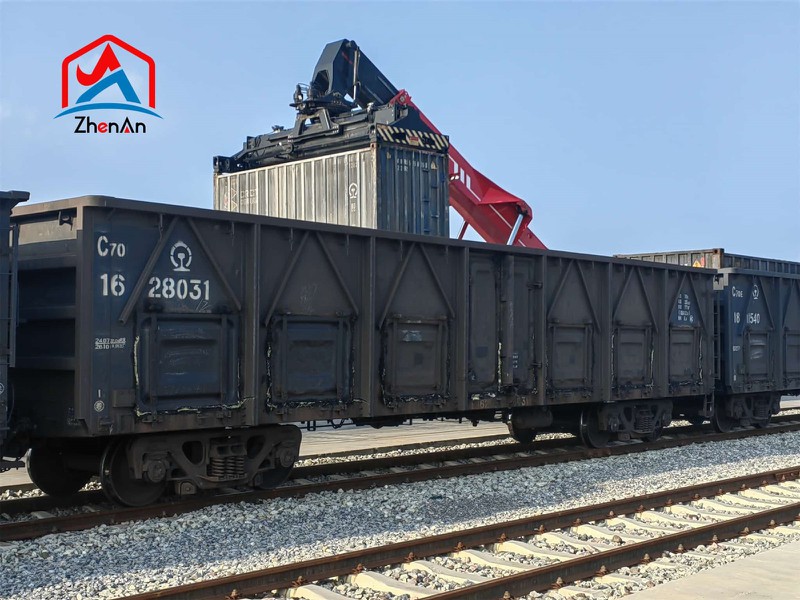
ZHEN AN INTERNATIONAL CO., LIMITED is a professional enterprise specialized in metallurgical and refractory products, integrating production, processing, sales and import‑export business. With an annual output and sales volume of over 150,000 tons, a 30,000-square-meter factory equipped with modern production lines, two large production bases, advanced laboratories and a dedicated metallurgical materials testing center, we ensure stable and large‑scale supply capacity. Supported by dozens of senior researchers and a global professional team, Zhenan is committed to providing complete material solutions with right quality and right quantity to match your industrial processes. If you are looking for a reliable, stable and professional silicon carbide supplier, Zhenan is your ideal long-term partner.

One-Stop Metallurgical Material Factory In China
Silicon carbide prices are subject to frequent market fluctuations. For the latest updated quotation, please send us an email with your required silicon carbide grade, quantity, and destination port. We will promptly provide you with our most up-to-date port price and clear delivery schedule.