Quick Answer: Is Silicon a Metal?
No. Silicon is not considered a typical metal. Silicon (Si) is commonly classified as a metalloid because it combines some metal-like and nonmetal-like properties. It has a metallic luster and crystalline appearance, but crystalline silicon is brittle rather than malleable, and its electrical behavior is that of a semiconductor rather than a typical metallic conductor. The industrial term "silicon metal" does not change this chemical classification. It is a commercial name for elemental silicon material used in metallurgy, aluminum alloys, chemical production and other industries.
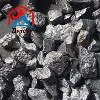
Silicon can easily look like a metal. In solid form, crystalline silicon has a gray to blue-gray surface with a metallic luster. That appearance is one reason the classification can seem confusing.
Its behavior tells a different story. Silicon does not deform like common ductile metals, and its electrical conductivity is fundamentally different from that of typical metallic conductors.
The distinction becomes especially important in industry. We regularly use the commercial term Silicon Metal, even though silicon itself remains classified as a metalloid.
Is Silicon a Metalloid?
Yes. Silicon is commonly classified as a metalloid because it shows a combination of metal-like and nonmetal-like properties. It has a metallic-looking gray surface, but crystalline silicon is brittle rather than malleable and behaves as a semiconductor rather than a typical metallic conductor.
So, if the question is "Is silicon a metal or a metalloid?", metalloid is the more accurate scientific classification. The industrial term "silicon metal" refers to commercial elemental silicon and does not mean that silicon becomes a conventional metal.
Why Is Silicon Classified as a Metalloid?
A metalloid has a combination of characteristics associated with metals and nonmetals. Silicon fits this description well.
Its appearance can look metallic, but its mechanical and electrical behavior does not match that of a typical metal.
Which Silicon Properties Make It Look Metallic?
Several physical characteristics make silicon appear metal-like:
- Metallic luster: crystalline silicon can have a shiny gray or blue-gray surface.
- Crystalline appearance: solid silicon can visually resemble some metallic materials.
- Solid state: silicon is a solid under normal room conditions.
These characteristics explain why someone looking at a piece of elemental silicon may reasonably assume that it is a metal.
Which Silicon Properties Are Not Typical of Metals?
The differences become clearer when we look beyond surface appearance.
- Brittleness: crystalline silicon can fracture rather than deform plastically like many common metals.
- Low malleability: it cannot normally be hammered or rolled into shape in the same way as ductile metals.
- Semiconductor behavior: silicon is an intrinsic semiconductor rather than a typical metallic conductor.
- Different electrical conductivity: its conductivity depends strongly on factors such as temperature and doping and does not behave like the free-electron conduction associated with common metals.
This combination of a metallic appearance and nonmetal-like or semiconductor behavior is why silicon is commonly placed in the metalloid category.
What Does the Periodic Table Tell Us About Silicon?
The position of silicon on the periodic table is consistent with its mixed properties. It lies near the boundary between elements commonly described as metals and nonmetals.
| Property | Silicon |
| Symbol | Si |
| Atomic Number | 14 |
| Group | 14 |
| Period | 3 |
| Block | p-block |
| Common Classification | Metalloid |
| State at Room Temperature | Solid |
Its periodic-table position alone is not the reason silicon is useful industrially, but it helps explain why the element does not fit neatly into the behavior of a typical metal or nonmetal.
If Silicon Is a Metalloid, Why Is It Called "Silicon Metal"?
Chemical classification and industrial product naming are not the same thing.
This distinction explains most of the apparent contradiction.
| Term | Meaning |
| Silicon | The chemical element Si. |
| Metalloid | The common classification used to describe silicon's combination of metal-like and nonmetal-like properties. |
| Silicon Metal | An industrial and commercial name for elemental silicon material supplied for metallurgical, chemical and related applications. |
In industrial trade, you will commonly see terms such as industrial silicon, metallurgical-grade silicon and silicon metal.
The name is associated with the commercial material, its elemental silicon content and its metallic-looking physical form. It does not mean that Si has changed from a metalloid into a true metal.
Simple distinction:
Silicon = the element.
Metalloid = its common chemical classification.
Silicon Metal = the industrial product name.
Is Pure Silicon a Metal?
No. Increasing purity does not turn silicon into a typical metal.
Pure crystalline silicon is still silicon, and its fundamental classification remains the same. High-purity silicon may have a clean metallic luster, but metallic appearance is not enough to determine whether an element should be classified as a metal.
This also means that terms such as high-purity silicon and silicon metal should not be interpreted as statements about periodic-table classification.
What Is Silicon Metal Used For in Industry?
Once silicon is viewed as an industrial raw material rather than only as a periodic-table element, the term Silicon Metal becomes much easier to understand.
Major application directions include:
Silicon Metal for Aluminum Alloys
Silicon Metal is widely used as a silicon source in aluminum alloy production. The required grade depends on the alloy chemistry and the limits placed on Fe, Al, Ca and other controlled elements.
Silicon Metal for Silicone and Chemical Production
Industrial silicon is also used as a feedstock for silicon-based chemical production, including materials used further downstream in silicone chemistry.
Silicon Metal for Metallurgical Applications
Silicon also serves as an industrial metallurgical raw material where controlled silicon input is required.
Different commercial grades can carry different impurity limits. For example, you can review our comparison of Silicon Metal 553 vs 441 when the purchasing question moves from element classification to grade selection.
Silicon Metal for Solar and Electronics After Further Purification
Silicon is fundamental to photovoltaic and electronic applications, but industrial Silicon Metal is not automatically semiconductor-grade material. Further purification is required before silicon reaches the purity levels used in these applications.
At ZhenAn, we supply industrial Silicon Metal by grade, Fe/Al/Ca limits, Particle Size and Batch COA for metallurgical and industrial applications. When you already know the required grade or impurity limits, we can confirm the specification against the intended use rather than select material only from the name "Silicon Metal."
For a specific commercial example, you can also review our Silicon Metal 421 specification .

Silicon, Silicon Metal, Silica and Silicone: What Is the Difference?
These names look similar but describe different substances or commercial materials.
| Term | What It Is | Important Distinction |
| Silicon | Chemical element Si | Commonly classified as a metalloid |
| Silicon Metal | Industrial elemental silicon | Commercial product name, not a new element classification |
| Silica | Silicon dioxide, SiO2 | A compound of silicon and oxygen |
| Silicone | A family of synthetic silicon-oxygen-based polymers | Not elemental silicon |
Keeping these terms separate is particularly important when you are reviewing raw-material specifications. A request for Silicon Metal, silica or silicone refers to fundamentally different materials.
FAQ About Whether Silicon Is a Metal or Metalloid
Q: Is Silicon a Metal or Nonmetal?
A: Silicon is commonly classified as a metalloid rather than a typical metal or nonmetal. It combines a metallic-looking surface with properties such as brittleness and semiconductor electrical behavior.
Q: Is Pure Silicon a Metal?
A: No. Purity does not change silicon from a metalloid into a typical metal. Pure crystalline silicon can have a metallic luster while still retaining the fundamental physical and electrical behavior associated with silicon.
Q: Why Is Silicon Called Silicon Metal?
A: Silicon Metal is an industrial and commercial name for elemental silicon material. The term describes the traded product rather than changing silicon's chemical classification. Silicon itself remains commonly classified as a metalloid.
Q: Is Silicon Malleable Like a Metal?
A: No. Crystalline silicon is brittle and can fracture rather than deform plastically. This is one important difference between silicon and common malleable metals.
Need Industrial Silicon Metal Specifications?
If your search is related to industrial Silicon Metal for aluminum alloy, chemical or metallurgical production, you can check the required grade, Fe/Al/Ca limits and Particle Size before selecting a material.
If you already have a target grade or Chemical Composition, send the specification and we can confirm the relevant supply requirements.
Check Silicon Metal Grades