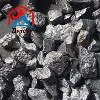
What Electrolytic Manganese Flakes Are
Electrolytic manganese metal, commonly called EMM, is produced by leaching manganese ore with sulfuric acid and then depositing pure manganese from the purified manganese sulfate solution by electrolysis. The metal grows on the cathode and is stripped off as irregular flakes, which is why the product is called manganese flakes. EMM is a high-purity manganese product used mainly in steelmaking, in aluminium alloys and in the production of manganese chemicals. Because it is a high-value raw material, buyers should check the specification carefully before placing an order.
Manganese Content
Manganese content is the first and most important specification. Commercial EMM is usually offered in grades of 99.7 percent, 99.8 percent or 99.9 percent manganese on a dry basis. The grade number directly affects the price and the performance in the final application, so the buyer must confirm the minimum guaranteed manganese content in the contract. The Chinese standard GB/T 2774 for electrolytic manganese metal is widely used as the reference for grade definitions, and a certificate of analysis from the supplier should state the actual manganese value for each lot.
Impurity Limits
The second specification is the limit for each impurity element. The most important impurities in EMM are carbon, sulfur, phosphorus, silicon, iron and selenium. Selenium deserves special attention because selenium compounds are often added during electrolysis to improve current efficiency, and the residual selenium must be controlled to the agreed level. Typical impurity limits in good commercial EMM are very low, for example carbon below 0.04 percent, sulfur below 0.04 percent, phosphorus below 0.005 percent and selenium below 0.08 percent, but the exact limits must match the buyer's application and the agreed grade.
Size and Flake Thickness
The third specification is the physical form. EMM is supplied as irregular flakes, and the buyer should agree the acceptable size range and the flake thickness with the supplier. Common commercial practice is to supply flakes with a thickness of about 1 to 3 millimetres and a particle size that passes a top screen of 50 millimetres, but every supplier has its own distribution and the contract should state the agreed range. Oversized lumps and excessive fines both create problems: lumps are slow to dissolve in the melt, while fines are lost to dust and can cause segregation in the alloy.
Packaging, Weight and Surface Condition
Packaging is the fourth specification. EMM is normally packed in 25 kilogram or 50 kilogram woven bags with a plastic liner, or in one-tonne jumbo bags for bulk delivery. The buyer should check the net weight tolerance, the bag type and whether palletising and shrink wrapping are included. Surface condition is also part of the specification: the flakes should be clean, dry and free from rust, oil, foreign matter and excessive oxidation. Moisture is particularly important because wet EMM can corrode the packaging and cause problems in the melt.
Inspection and Sampling
The final part of a good buying checklist is inspection. The buyer should require a certificate of analysis for every lot, and should reserve the right to sample and test the shipment on arrival. Standard sampling practice is to take samples from a defined number of bags selected at random, combine and quarter the sample, and test manganese and the key impurities with an accredited laboratory. Disputes about quality are much easier to resolve when the contract clearly defines the test method, the sampling procedure and the acceptance limits for each element.
Frequently Asked Questions
Q: What does EMM stand for?
EMM stands for electrolytic manganese metal, a high-purity manganese product made by electrolysis of a purified manganese sulfate solution and supplied as irregular flakes.
Q: Why is selenium present in EMM?
Selenium compounds are added to the electrolyte during production to improve current efficiency, and a small residual amount remains in the metal. The level is controlled to the agreed limit.
Q: What is the most common EMM grade?
The most common commercial grades are 99.7, 99.8 and 99.9 percent manganese. The choice depends on the application and the price.
Q: How is EMM usually packed?
EMM is typically packed in 25 kilogram or 50 kilogram woven bags with a plastic liner, or in one-tonne jumbo bags, with palletising available on request.
Q: What should a buyer check on arrival?
The buyer should check the certificate of analysis, the net weight, the packaging condition, the moisture level and the physical appearance, and should take samples for independent testing if required.
Q: Is EMM the same as ferromanganese?
No. Ferromanganese is an alloy of manganese and iron made by smelting, while EMM is nearly pure manganese metal produced by electrolysis and contains only trace amounts of iron.