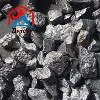
The term "nickel plate" refers to the layer of nickel that is applied to a surface, and its name is derived from the metal "nickel" itself. Here's a breakdown of the terminology:
Nickel: Nickel is a chemical element, represented by the symbol "Ni" and atomic number 28. It is a transition metal known for its corrosion resistance and ability to withstand high temperatures.
Plating: The term "plating" describes the process of depositing a layer of metal onto a surface. This can be achieved through various methods, including electroplating, where an electric current is used to reduce metal ions and coat a surface with that metal.
Combination: When combined, "nickel plate" literally refers to a plate or layer formed from nickel. This describes the end result of the nickel plating process, which is a thin layer of nickel over another material.
Thus, it is called a "nickel plate" because the process involves creating a plating of nickel on a substrate, providing protective and decorative benefits. The name effectively communicates both the material used (nickel) and the method of application (plating).