Introduction
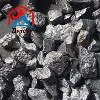
Ferrovanadium (FeV) is an alloy of iron and vanadium, which plays a critical role in improving the properties of steel and other materials. Its primary use is in the production of high-performance steel, which is crucial for industries such as construction, automotive, aerospace, and energy. Ferrovanadium's ability to enhance the strength, toughness, and wear resistance of steel makes it an essential material in many industrial applications.
In this article, we will explore the top 10 benefits of ferrovanadium in various industrial sectors.
1. Increased Steel Strength
Ferrovanadium is widely used to improve the strength of steel. By adding vanadium to steel, the alloy's grain structure is refined, which leads to increased tensile strength and yield strength. This makes steel more resistant to deformation and better suited for heavy-duty applications, such as construction and manufacturing.
Example: High-strength low-alloy (HSLA) steels used in construction and automotive industries benefit significantly from FeV.
2. Enhanced Wear Resistance
One of the most important benefits of ferrovanadium is its ability to enhance the wear resistance of steel. Vanadium forms hard carbides in steel, which greatly improve the material's ability to withstand friction and abrasion.
Example: Tool steels used for cutting, drilling, and machining materials are often alloyed with ferrovanadium to extend their service life.
3. Improved Toughness
Ferrovanadium increases the toughness of steel, making it more resistant to cracking and breaking under stress. This is particularly important in applications where materials are subjected to impact or shock loading.
Example: Automotive components, such as crankshafts and suspension parts, are often made with ferrovanadium to ensure their durability and toughness in challenging conditions.
4. Enhanced Fatigue Resistance
Steel alloys containing ferrovanadium exhibit better fatigue resistance, which makes them ideal for applications where the material will be subjected to repeated loading and unloading cycles over time. This is crucial for components that need to withstand long-term use without failure.
Example: Bridge construction and highway infrastructure require steel that can resist fatigue over many years, benefiting from ferrovanadium's enhancements.
5. High-Temperature Stability
Ferrovanadium improves the high-temperature stability of steel, making it ideal for use in environments where metals are exposed to extreme temperatures. This feature is essential for industries such as aerospace, automotive, and energy.
Example: Aerospace alloys used in jet engines and gas turbines benefit from the high-temperature resistance provided by ferrovanadium.


6. Better Weldability
Steel alloyed with ferrovanadium has improved weldability, meaning it can be more easily welded without compromising its mechanical properties. This is particularly beneficial in the construction and manufacturing industries, where welding is a common process.
Example: Structural steel used in building construction and marine vessels often includes ferrovanadium to ensure that the material maintains its integrity after welding.
7. Corrosion Resistance
In certain steel grades, ferrovanadium can improve corrosion resistance, making the steel more durable in harsh environments. This is especially useful in applications where steel is exposed to moisture or corrosive elements.
Example: Offshore platforms and marine equipment require corrosion-resistant steel, and ferrovanadium can help enhance the lifespan of these materials.
8. Improved Hardness
Ferrovanadium contributes to the hardness of steel, making it more capable of withstanding cutting, abrasion, and deformation. This is especially important in tools and machinery used in industrial settings.
Example: Mining equipment such as drills and cutting blades benefits from the increased hardness provided by ferrovanadium.
9. Reduced Maintenance Costs
By improving the overall durability and wear resistance of steel, ferrovanadium reduces the frequency of maintenance and repairs. This leads to lower operational costs over the long term, as machinery and equipment experience fewer breakdowns.
Example: Heavy machinery used in construction and mining benefits from reduced wear and tear, leading to savings in both maintenance and downtime.
10. Supports Sustainability in Manufacturing
The use of ferrovanadium in steel production can help reduce the environmental impact of industrial processes. By making steel stronger and more durable, ferrovanadium helps extend the life of products, reducing the need for replacements and conserving resources.
Example: Sustainable infrastructure projects such as green buildings and energy-efficient vehicles often use ferrovanadium-alloyed steel to achieve longer-lasting, stronger materials.
Conclusion
Ferrovanadium is a crucial element in the production of high-performance steel, offering a range of benefits that improve the strength, toughness, wear resistance, and durability of steel. These benefits make it indispensable in industries like construction, automotive manufacturing, aerospace, energy, and more.
Whether it's improving steel for automotive components, enhancing tool steels, or increasing the longevity of infrastructure materials, ferrovanadium plays a key role in ensuring the performance and durability of materials used in various industries.
As a leading supplier of ferrovanadium, we provide FeV40, FeV50, FeV60, and FeV80 with:
🔸 consistent vanadium content
🔸 low impurity levels
🔸 competitive pricing
🔸 flexible supply solutions
Contact us today to learn more about how ferrovanadium can enhance your products and help you meet the highest standards of quality and performance.