Atomised ferrosilicon powder is a finely divided iron-silicon alloy produced by breaking molten ferrosilicon into small droplets through an atomisation process, followed by cooling, drying and particle classification. FeSi45 is one of the silicon grades used in this type of powder production. Compared with mechanically ground ferrosilicon, atomised material has a different particle formation process and may have different particle morphology and distribution.
In industrial applications, atomised ferrosilicon powder is used as a deoxidising ingredient in certain welding electrode coating formulations. Its selection depends on silicon content, particle size distribution, chemical impurities and compatibility with the customer's coating process. Buyers should evaluate the finished powder rather than rely only on the chemical specification of the original ferrosilicon alloy.
Quick Answer
Atomised ferrosilicon powder is produced from molten ferrosilicon through atomisation and subsequent processing. FeSi45 is a relevant raw material grade for welding-related powder applications. Its key purchasing specifications include Si content, particle size distribution, moisture, chemical impurities and packaging requirements. The final specification should be confirmed through a batch-specific Certificate of Analysis (COA) and particle size test.
Table of Contents
- What Is Atomised Ferrosilicon Powder?
- How Is Atomised Ferrosilicon Powder Produced?
- Atomised vs Ground Ferrosilicon Powder
- FeSi45 Chemical Composition
- Physical Specifications and Particle Size
- Applications in Welding Electrode Coatings
- How to Select Atomised Ferrosilicon Powder
- Quality Control, Packaging and Storage
- Frequently Asked Questions
What Is Atomised Ferrosilicon Powder?
Atomised ferrosilicon powder is a powdered ferroalloy obtained by converting molten iron-silicon alloy into small particles through an atomisation process. Unlike conventional ferrosilicon powder, which is produced by crushing and grinding solid alloy blocks, atomised powder is formed from liquid metal droplets that cool and solidify into individual particles.
The silicon content depends on the selected ferrosilicon raw material. FeSi45, containing approximately 45–47% silicon according to the reference composition listed below, is one of the grades used for ferrosilicon powder production.
The main characteristics buyers should evaluate include:
- Chemical composition: Silicon content and controlled levels of aluminium, calcium, manganese, phosphorus, sulphur and carbon.
- Particle size: The size range and distribution required by the customer's manufacturing process.
- Particle morphology: The shape and surface characteristics formed during atomisation.
- Physical consistency: Moisture, bulk density and flow characteristics where relevant to the application.
- Batch consistency: Stable chemical composition and particle size distribution between deliveries.
Atomised ferrosilicon powder is not a single universal specification. Different welding electrode formulations may require different particle size ranges and chemical limits. Therefore, the finished product should be specified according to its intended application rather than identified only by its FeSi raw material grade.
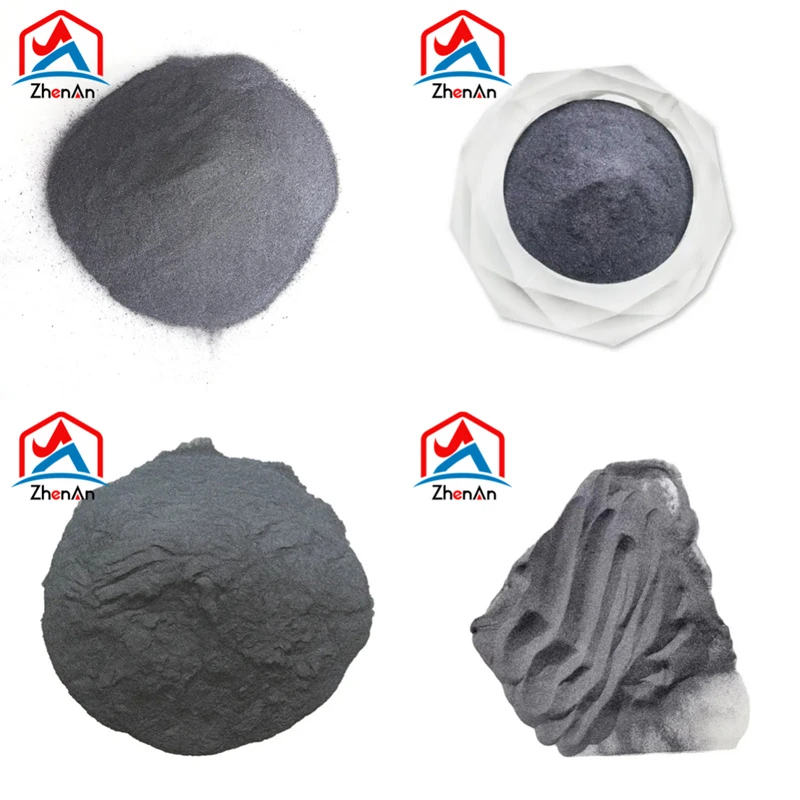
How Is Atomised Ferrosilicon Powder Produced?
Water atomisation is one of the production methods used to manufacture ferrosilicon powder. The process converts molten alloy into smaller particles, which are subsequently processed to obtain the required chemical and physical specifications.
A typical production route includes the following stages:
1. Raw Material Selection
The process begins with the selection of ferrosilicon alloy according to the required silicon content and impurity limits. For FeSi45 powder, the incoming material should be checked for silicon, aluminium, calcium, manganese, phosphorus, sulphur and carbon.
Consistent raw material chemistry provides the basis for producing powder that meets the customer's specified composition.
2. Melting and Water Atomisation
The selected ferrosilicon is melted to form a homogeneous liquid alloy. The molten metal is then broken into smaller droplets through controlled water atomisation.
As the droplets cool and solidify, they form individual ferrosilicon particles. The resulting particle morphology and size distribution depend on the alloy properties and atomisation conditions.
3. Dewatering and Drying
After atomisation, the collected material requires appropriate separation and drying. Moisture control is important because the finished powder must meet the agreed moisture requirements before packaging and shipment.
4. Screening and Particle Classification
The dried material is classified according to particle size. Screening or other suitable classification methods can separate different particle fractions and remove material outside the specified size range.
The final particle size distribution should be checked against the customer's requirements. A single mesh designation may not fully describe the distribution, particularly when the application requires tighter control of fine and coarse particles.
5. Final Inspection and Packaging
Before shipment, the finished powder should be checked for chemical composition, particle size and moisture. Each batch should be identifiable through appropriate production and inspection records.
Only material meeting the agreed purchasing specification should be released for packaging and delivery.
Atomised vs Ground Ferrosilicon Powder
Atomised and ground ferrosilicon powders contain the same basic iron-silicon alloy system, but their manufacturing methods are different. This difference influences particle formation, morphology and the way particle size is controlled.
Understanding these differences helps welding consumable manufacturers select a powder that is compatible with their coating formulation and production equipment.
| Comparison | Atomised Ferrosilicon Powder | Ground Ferrosilicon Powder |
|---|---|---|
| Production method | Molten alloy is broken into droplets through atomisation. | Solid ferrosilicon is crushed and mechanically ground. |
| Particle formation | Particles form through cooling and solidification of metal droplets. | Particles form through mechanical fracture of solid alloy. |
| Particle morphology | Shape depends on atomisation conditions and cooling behaviour. | Generally irregular and angular due to mechanical grinding. |
| Size control | Controlled through atomisation and subsequent classification. | Controlled through grinding and subsequent screening. |
| Important inspection items | Particle size distribution, morphology, chemistry and moisture. | Grinding fineness, particle size distribution, chemistry and moisture. |
| Application selection | Selected for formulations requiring its particular particle characteristics. | Selected when the formulation is designed for mechanically ground powder. |
Neither production method is automatically superior for every application. The appropriate choice depends on the formulation, particle size requirements, powder handling characteristics and performance during actual production trials.
For welding electrode manufacturers, it is advisable to compare representative samples under the same formulation and production conditions before changing from ground to atomised ferrosilicon powder.
FeSi45 Chemical Composition
Chemical composition is one of the first specifications to check when purchasing atomised ferrosilicon powder. Silicon provides the principal alloying and deoxidising function, while the other elements must remain within the limits agreed for the intended application.
The following table presents the FeSi45 reference composition from the original product data. It should be treated as a preliminary reference, not as a guaranteed specification for every finished atomised powder batch.
| Element | Reference Content (%) | Requirement |
|---|---|---|
| Si | 45–47 | Main alloy element |
| Al | ≤2.00 | Maximum |
| Ca | ≤1.00 | Maximum |
| Mn | ≤0.80 | Maximum |
| Cr | ≤0.50 | Maximum |
| P | ≤0.04 | Maximum |
| S | ≤0.02 | Maximum |
| C | ≤0.20 | Maximum |
Important purchasing note: The actual chemical composition must be confirmed using the finished product's batch-specific COA. Buyers should specify whether the listed limits apply to the original alloy, the atomised powder or the final delivered product.
For other ferrosilicon grades, including FeSi75, FeSi72 and FeSi65, the required chemical limits may differ. You can also review our ferrosilicon grades and product specifications to understand the available alloy grades and product forms.
Physical Specifications and Particle Size
Chemical composition alone is not enough to determine whether an atomised ferrosilicon powder is suitable for welding electrode production. Particle size distribution and physical characteristics also affect powder handling, mixing and compatibility with the coating process.
The following parameters should be included when preparing a technical purchasing specification:
| Parameter | What Buyers Should Confirm |
|---|---|
| Particle size | Required mesh range or particle size in micrometres (μm). |
| Particle size distribution | D10, D50 and D90 where laser particle size analysis is required, or sieve analysis results. |
| Particle morphology | Particle shape and surface characteristics where these affect the formulation. |
| Bulk density | Loose or apparent bulk density when required by powder feeding and mixing equipment. |
| Moisture content | Maximum permitted moisture level before delivery. |
| Flow characteristics | Powder flow behaviour when consistent feeding is important. |
| Packaging | Bag size, inner liner, moisture protection and handling requirements. |
For example, two batches may both meet a nominal 200-mesh designation but still have different particle size distributions. One batch may contain a higher proportion of fine particles, while another may contain more particles close to the upper size limit.
This difference can influence mixing uniformity and powder handling. Therefore, buyers should define acceptable particle size limits and testing methods instead of relying exclusively on a single mesh number.
Applications in Welding Electrode Coatings
One important application of atomised ferrosilicon powder is as a deoxidising ingredient in welding electrode coating formulations. The silicon in ferrosilicon has a strong affinity for oxygen and can react with oxygen in the molten weld metal during welding.
This reaction produces silicon oxides, which interact with the slag system. The purpose of adding ferrosilicon is to help control oxygen in the weld metal as part of the overall electrode formulation.
1. Deoxidation During Welding
During welding, the electrode coating contributes to the chemical and physical conditions surrounding the molten weld pool. Ferrosilicon provides silicon that can participate in deoxidation reactions.
The actual deoxidation performance depends on the silicon content, particle characteristics, addition level and interactions with other coating ingredients. Ferrosilicon should therefore be evaluated as part of the complete electrode formulation rather than as an independent performance solution.
2. Particle Distribution in Electrode Coatings
Particle size distribution is an important consideration when mixing electrode coating materials. Excessively coarse particles may behave differently from finer ingredients during mixing and application, while excessive fines can change powder handling and feeding behaviour.
A suitable particle size range helps manufacturers maintain consistency in raw material preparation. The actual requirement should be established through formulation trials and the electrode manufacturer's production process.
3. Compatibility with Electrode Formulations
Different welding electrode types use different coating formulations. Consequently, the same FeSi45 powder may not be suitable for every electrode production line.
Before purchasing in bulk, manufacturers should evaluate chemical compatibility, particle size, mixing behaviour and welding performance through laboratory or production trials.
How to Select Atomised Ferrosilicon Powder
For welding consumable manufacturers, selecting atomised ferrosilicon powder should begin with the technical requirements of the electrode formulation. A suitable purchasing specification should cover both chemical and physical properties.
1. Confirm the Silicon Grade
Determine whether FeSi45 is suitable for the intended formulation. Check the silicon content and the permitted levels of aluminium, calcium, manganese, phosphorus, sulphur and carbon.
2. Define the Required Particle Size
Specify the required mesh or micrometre range. Where particle distribution is important, request D10, D50 and D90 data or a detailed sieve analysis report.
3. Check the Finished Powder Quality
Do not rely solely on the chemical analysis of the incoming ferrosilicon alloy. Ask for a COA representing the finished powder and verify that the reported values correspond to the delivered batch.
4. Request Samples for Production Trials
Before placing a large order, test a representative sample using the actual electrode coating formulation. Evaluate powder handling, mixing consistency and the relevant welding performance indicators.
5. Confirm Packaging and Delivery Requirements
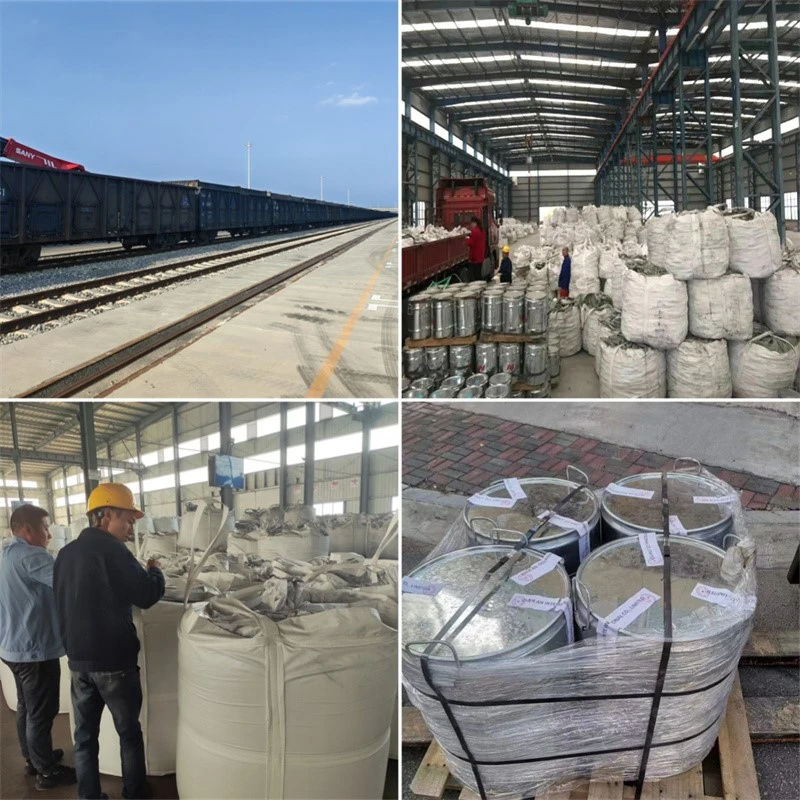
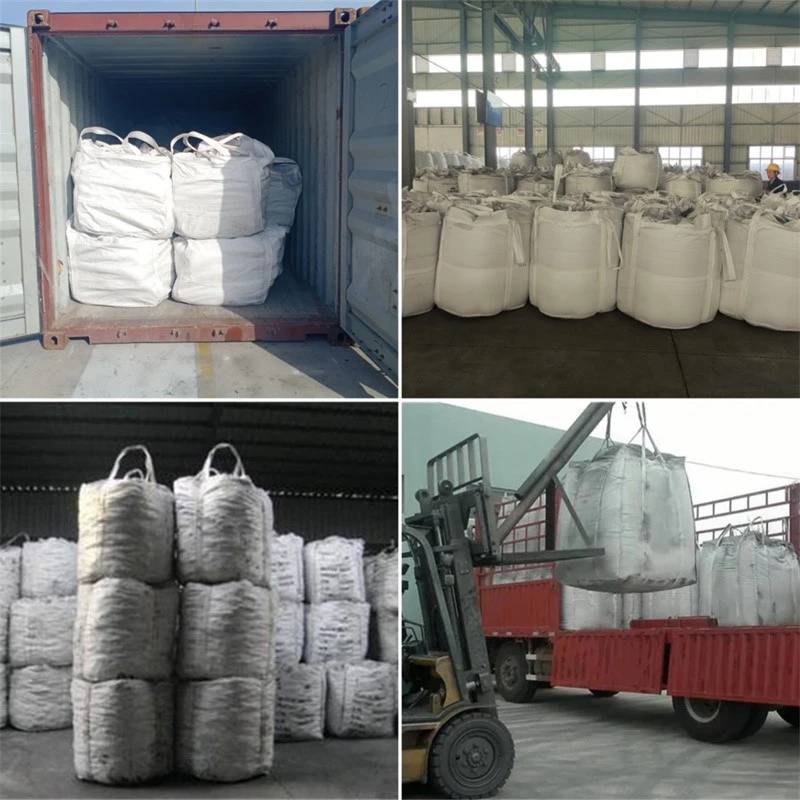
Fine ferrosilicon powder should be packed in suitable moisture-resistant packaging. Buyers should confirm bag weight, inner liner requirements, labelling, batch identification and transport arrangements before shipment.
Purchasing Checklist
- FeSi grade and silicon content confirmed.
- Chemical composition and impurity limits agreed.
- Particle size range and distribution specified.
- Moisture and physical property requirements confirmed.
- Finished product COA available.
- Representative sample approved.
- Packaging and batch traceability requirements confirmed.
Quality Control, Packaging and Storage
Quality control for atomised ferrosilicon powder should cover the incoming raw material, the finished powder and the final packaging condition. Consistent inspection helps buyers reduce differences between batches and maintain stable production conditions.
Chemical Composition Testing
Chemical analysis should verify the silicon content and relevant impurity elements. The finished product COA should identify the batch and report the results against the agreed purchasing specification.
Particle Size Inspection
Screening analysis or an appropriate particle size measurement method should be used to verify the size distribution. Buyers requiring tighter control should specify the testing method and acceptable limits before production.
Moisture and Packaging Inspection
Moisture should be controlled before packing. Packaging should protect the powder against moisture exposure during storage and transportation, and each batch should be clearly identified.
Storage Recommendations
Store atomised ferrosilicon powder in a dry, covered and well-ventilated warehouse. Keep bags sealed when not in use and avoid direct contact with water, condensation and damp floors.
Follow the supplier's product-specific handling and safety instructions. Fine metal alloy powders should be handled with appropriate dust-control measures, and the applicable Safety Data Sheet (SDS) should be reviewed before use.
Ferrosilicon Powder Supply from ZhenAn
ZHEN AN INTERNATIONAL CO., LIMITED supplies ferrosilicon products for steelmaking, foundry and other metallurgical applications. Our ferrosilicon product range includes different silicon grades and product forms, with specifications and processing requirements confirmed according to customer orders.
For buyers evaluating atomised ferrosilicon powder, the important step is to establish the required chemical composition, particle size distribution and intended application before confirming an order.
When sending an inquiry, please provide the following information:
- Required silicon content, such as FeSi45.
- Target particle size or mesh range.
- Required chemical composition and impurity limits.
- Intended application, such as welding electrode coating.
- Required quantity and packaging method.
- Any special inspection or documentation requirements.
You can also visit our Ferrosilicon Product Page to learn more about our available ferrosilicon grades and product forms.
Looking for Atomised Ferrosilicon Powder?
Send us your required FeSi grade, particle size, chemical composition and application. Our team can discuss the appropriate product specifications and available supply options with you.
Contact ZhenAn for a Quotation View Ferrosilicon ProductsFrequently Asked Questions
1. What is atomised ferrosilicon powder used for?
Atomised ferrosilicon powder is used in certain industrial applications, particularly as a deoxidising ingredient in welding electrode coating formulations. Its suitability depends on the silicon content, particle size distribution and the requirements of the specific application.
2. What is the silicon content of FeSi45 powder?
The FeSi45 reference composition in this article lists silicon at 45–47%. However, the actual silicon content of a delivered powder batch should be confirmed through its COA.
3. What is the difference between atomised and ground ferrosilicon powder?
Atomised powder is produced by converting molten ferrosilicon into droplets that cool and solidify into particles. Ground powder is produced by mechanically crushing and grinding solid ferrosilicon. Their particle formation methods and resulting morphology may differ.
4. What particle sizes are available for atomised ferrosilicon powder?
Available particle sizes depend on the production and classification capabilities of the supplier. Buyers should specify the required mesh or micrometre range and request a particle size distribution report before placing an order.
5. Can atomised ferrosilicon powder be customized?
Chemical composition, particle size requirements and packaging can be discussed according to the customer's application and production needs. The final specification should be confirmed before production and shipment.
6. How should atomised ferrosilicon powder be stored?
Store the powder in sealed, moisture-resistant packaging in a dry and covered warehouse. Avoid water exposure and condensation, and follow the product-specific SDS and handling instructions.
7. What documents should buyers request when purchasing atomised ferrosilicon powder?
Buyers should request a batch-specific Certificate of Analysis (COA), particle size inspection results and the applicable Safety Data Sheet (SDS). Additional inspection documents can be agreed according to the purchase contract.
ZHEN AN INTERNATIONAL CO., LIMITED
Ferrosilicon and Metallurgical Materials Supply | Serving International Industrial Buyers Since 1993