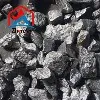
Silicon metal and ferrosilicon are both silicon-based industrial materials, but they differ in composition, production requirements, and applications. Silicon metal is a high-silicon material primarily used in aluminum alloys and chemical production, while ferrosilicon is an iron-silicon alloy mainly used for steelmaking deoxidation, alloying, and foundry applications. Choosing between them depends on the required silicon content, acceptable iron level, process requirements, and total material cost.
For buyers comparing silicon metal vs ferrosilicon, the most important distinction is not simply the percentage of silicon. The two materials serve different purposes, and one is not automatically a suitable substitute for the other.
1. Definition and Composition
| Parameter | Silicon Metal | Ferrosilicon |
|---|---|---|
| Material type | Metallurgical-grade elemental silicon | Iron-silicon alloy |
| Silicon content | Commonly around 98% or higher, depending on grade | Varies by grade; common commercial grades include FeSi45, FeSi65, FeSi72, and FeSi75 |
| Main components | Silicon, with controlled residual iron, aluminum, calcium, and other impurities | Silicon and iron, with other elements controlled by the applicable specification |
| Common product forms | Lumps, chunks, granules, and powder | Lumps, granules, briquettes, and powder |
| Grade identification | Grades such as 553, 441, 3303, and 2202 are commonly used for metallurgical silicon metal | Grades are commonly identified by silicon content, such as FeSi72 and FeSi75 |
The grade systems reflect different purchasing priorities. Silicon metal grades commonly distinguish products by their permitted impurity levels, whereas ferrosilicon grades are generally identified by their silicon content and specified impurity limits. Buyers should always check the applicable standard and certificate of analysis (COA) rather than relying on a grade number alone.
For example, a silicon metal grade intended for aluminum alloy production must meet the customer's limits for iron, aluminum, calcium, and other elements. A ferrosilicon order for steelmaking instead focuses on the required silicon level and the impurity limits specified for the steelmaking process.
2. Production Process
| Production Factor | Silicon Metal | Ferrosilicon |
|---|---|---|
| Main raw materials | Silica or quartz and carbonaceous reducing materials | Silica, carbonaceous reducing materials, and iron-bearing materials |
| Production route | Silica is reduced with carbon in a high-temperature electric furnace | Silica is reduced in the presence of iron-bearing materials to produce an iron-silicon alloy |
| Main production objective | Achieve the required silicon purity and impurity limits | Achieve the required silicon content, alloy composition, and physical specifications |
| Key quality controls | Raw material purity, iron and other impurity levels, and final grade | Silicon content, specified impurities, batch consistency, and particle size |
Both materials can be produced through high-temperature reduction processes using electric furnaces, but their raw material requirements and production controls differ.
For silicon metal, producers must carefully control iron and other impurities to meet the target metallurgical grade. For ferrosilicon, iron is an intentional component of the alloy, so the production process is designed to achieve the required balance between silicon and iron.
These differences also explain why the products have distinct commercial specifications. The purity requirements, raw materials, energy consumption, and processing conditions all influence production costs and final prices.
3. Key Applications
| Application | Silicon Metal | Ferrosilicon |
|---|---|---|
| Steelmaking | Used in selected applications where elemental silicon is required and the iron input must be controlled | Widely used as a deoxidizer and silicon-bearing alloying addition |
| Cast iron and foundries | Not normally the standard choice for conventional ferrosilicon inoculation | Used in cast iron production and in specialized inoculant formulations |
| Aluminum-silicon alloys | A major source of silicon for aluminum alloy production | Generally less suitable when the iron contribution exceeds the customer's limits |
| Chemical industry | Used as a feedstock for silicones and other silicon-based chemicals | Not a general substitute for silicon metal in these processes |
| Solar and semiconductor materials | Metallurgical-grade silicon can serve as a starting material for further purification into higher-purity silicon | Not a direct substitute for high-purity silicon feedstock |
| Ferroalloy production | Used only where the specific process calls for elemental silicon | High-silicon ferrosilicon can serve as a reducing agent in selected ferroalloy production routes |
The most important difference is the role each material plays in the production process. Ferrosilicon is a standard material for supplying silicon to molten steel and cast iron. Silicon metal is preferred when a process needs a higher-silicon material with lower iron input, such as aluminum alloy production and silicon-based chemical manufacturing.
Although metallurgical-grade silicon metal can be used to produce higher-purity silicon, it is not the same as finished semiconductor-grade or solar-grade silicon. Additional purification and processing are required to meet those industries' demanding specifications.
If your application is steelmaking, see our ferrosilicon 75 specification guide for more information about chemical composition and grade selection.
4. Properties and Performance
| Property | Silicon Metal | Ferrosilicon |
|---|---|---|
| Composition | High silicon content with controlled impurity levels | Silicon combined with a substantial iron content |
| Physical characteristics | Hard, brittle, crystalline material with a metallic-gray appearance | Hard, brittle alloy; its density and melting behavior vary with silicon content |
| Electrical behavior | Silicon is a semiconductor, and its electrical behavior depends on temperature, purity, and doping | Its properties reflect the iron-silicon alloy composition; electrical conductivity is not the primary basis for grade selection |
| Metallurgical function | Supplies silicon where a high-silicon material with controlled iron input is required | Provides silicon for deoxidation, alloying, and selected foundry processes |
| Cost considerations | Price depends on silicon grade, impurity limits, processing requirements, and market conditions | Price depends on silicon grade, alloy composition, production costs, particle size, and market conditions |
Neither product is universally cheaper or more cost-effective. A meaningful comparison should consider the application, the required composition, the usable silicon recovery, and the consequences of introducing iron or other impurities.
For bulk steelmaking deoxidation, ferrosilicon is generally the conventional choice because it is designed for that metallurgical function. For aluminum alloy production or chemical manufacturing, silicon metal is generally more appropriate because those processes often require higher silicon content and tighter control of iron input.
When comparing quotations, buyers should compare products that meet the same technical requirements. A lower price per ton does not necessarily mean a lower production cost if the material is unsuitable for the process or requires additional adjustments.
5. Key Differences Summary
| Aspect | Silicon Metal | Ferrosilicon |
|---|---|---|
| Material type | Elemental silicon product | Iron-silicon alloy |
| Silicon content | Commonly around 98% or higher, depending on grade | Varies by grade, with FeSi45, FeSi65, FeSi72, and FeSi75 among common grades |
| Iron content | Controlled as an impurity under the applicable specification | Iron is a major component of the alloy |
| Main applications | Aluminum alloys, silicones, and other silicon-based products | Steelmaking, cast iron, and selected ferroalloy processes |
| Primary selection factor | Silicon purity and permitted impurity levels | Silicon content, alloy composition, and metallurgical performance |
| Interchangeability | Not a direct replacement for ferrosilicon in every process | Not a direct replacement for silicon metal where elemental silicon is required |
6. How to Choose Between Silicon Metal and Ferrosilicon
Use the following practical checks before placing an order:
- For steelmaking deoxidation: Start by evaluating the required ferrosilicon grade, silicon content, impurity limits, and addition method.
- For aluminum alloy production: Evaluate silicon metal grades against the required silicon content and the maximum permitted iron and other impurities.
- For chemical manufacturing: Confirm that the silicon metal grade meets the feedstock requirements of the intended chemical process.
- For cost comparisons: Compare the price of technically equivalent material and consider recovery, process suitability, and total delivered cost.
- For recurring orders: Confirm the COA, batch consistency, packaging, particle size, and delivery schedule before agreeing on the purchase specification.
If you are sourcing silicon metal, you can also review our silicon metal 421 price and specification guide for an example of how a silicon metal product is specified for purchasing.
7. Frequently Asked Questions
Q1: What is the main difference between silicon metal and ferrosilicon?
Silicon metal is a high-silicon elemental material, while ferrosilicon is an alloy containing both silicon and iron. Their different compositions make them suitable for different industrial processes.
Q2: Can silicon metal replace ferrosilicon in steelmaking?
Not as a universal one-to-one substitute. Silicon metal can supply silicon in selected processes, but the steelmaker must evaluate iron input, silicon recovery, impurity limits, addition practice, and cost before making a substitution.
Q3: Why is ferrosilicon commonly used for steelmaking?
Ferrosilicon is a conventional silicon-bearing alloy for deoxidation and alloying. Its composition and established use make it suitable for many steelmaking operations.
Q4: Is metallurgical-grade silicon metal the same as semiconductor-grade silicon?
No. Metallurgical-grade silicon is a starting material that requires additional purification and processing before it can meet semiconductor-grade requirements.
Q5: How should buyers compare silicon metal and ferrosilicon prices?
Compare the material grades against the requirements of the intended application. Review silicon content, impurity limits, particle size, packaging, delivery terms, and process suitability rather than comparing price per ton alone.
8. Why Choose ZHENAN for Silicon Metal and Ferrosilicon?
ZHENAN supplies metallurgical materials for industrial customers, including silicon metal and ferrosilicon in different grades and product forms. With more than 30 years of experience in the metallurgical field, we understand that buyers need to confirm chemical composition, particle size, packaging, and shipment requirements before placing an order.
For silicon metal and ferrosilicon orders, we can discuss the applicable grade, required composition, product size, packaging, and quality documentation according to your purchasing requirements. The availability of particular specifications and inspection arrangements should be confirmed when requesting a quotation.
To help us evaluate your requirements, please provide the intended application, target grade, required chemical composition, particle size, order quantity, destination port, and expected shipment schedule.
Need a Silicon Metal or Ferrosilicon Quotation?
Share your product grade, application, quantity, and specification requirements with our team.
Contact Us for a Quotation