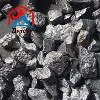
Why Silicon Metal 2202 Is Used for Aluminum Alloy
Silicon Metal 2202 for aluminum alloy is widely used because of its low aluminum, low iron, and low calcium content. In aluminum alloy production, these impurity limits matter because they affect alloy consistency, melt control, and final product quality. The grade is defined mainly by its impurity limits, which support more stable alloy performance and reduce impurity-related risks in production.
Why Low Al, Low Fe, and Low Ca Matter
Low aluminum content helps reduce unwanted variation in alloy chemistry and makes composition control more precise. Low iron content matters because excess iron can affect mechanical performance, ductility, and processing behavior. Low calcium content supports more stable melt conditions. The real value of 2202 is not only the low impurity numbers themselves but the consistency they help create in production.
Main Applications
Aluminum casting alloys: Silicon improves fluidity and castability, making aluminum-silicon alloys widely used in casting, where controlled impurity input is especially valuable.
Die-casting alloy production: Consistency in alloy composition affects both process behavior and finished product quality.
Secondary aluminum alloy production: Impurity management is a major concern in recycled systems, so a more controlled silicon source reduces additional uncertainty.
General industrial aluminum alloy systems: 2202 is used where better impurity control is needed than lower-grade silicon metal can offer.
Grade Comparison
Compared with 3303, Silicon Metal 2202 generally offers lower impurity levels, especially for aluminum, iron, and calcium. Grade 441 is often more economical but usually carries a higher impurity profile. Grade 553 is commonly used in cost-sensitive applications but is usually less suitable for alloy systems requiring tighter impurity control. In short, 2202 is preferred when alloy quality matters more than simply buying the lowest-cost silicon source.
What Buyers Should Check
Before ordering, buyers should confirm the chemical composition, especially silicon, aluminum, iron, and calcium levels; size and form suitability for the process; batch-to-batch consistency; packing and delivery conditions; and inspection support such as third-party testing and test reports.
Frequently Asked Questions
What is Silicon Metal 2202 used for in aluminum alloy production? aluminum casting alloys, die-casting alloys, secondary aluminum production, and industrial aluminum alloy systems requiring impurity control.
Why is 2202 preferred for aluminum alloy? It has lower aluminum, iron, and calcium content than more economical grades, improving alloy consistency.
Is 2202 always the best choice? Not always. The best grade depends on the alloy system, impurity tolerance, and production budget.
Why is low iron content important in Silicon Metal 2202? Excess iron can weaken mechanical performance, reduce ductility, and complicate processing of the finished aluminum alloy, so low-iron input keeps quality consistent.
Where does silicon improve aluminum casting alloys? Silicon improves fluidity and castability, and the controlled impurity profile of 2202 supports stable chemistry in casting, die-casting, and secondary aluminum production.