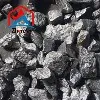
Introduction to Silicon Carbide Properties
Silicon carbide (SiC) is a synthetic ceramic compound widely used in industrial processes that require materials capable of withstanding high temperatures, severe wear, and chemically aggressive environments. It is produced through the high-temperature reaction of silica and carbon, resulting in a crystalline compound with strong covalent bonding.
For engineers and procurement specialists, understanding silicon carbide properties is essential when selecting materials for metallurgical operations, refractory systems, and abrasive manufacturing. Compared with many traditional materials, silicon carbide offers a unique balance of hardness, thermal conductivity, and chemical stability.
These characteristics allow silicon carbide to operate in environments where metals soften, oxidize, or wear rapidly. As a result, SiC is commonly used in furnace components, grinding tools, refractory bricks, and wear-resistant industrial parts.
From an industrial perspective, silicon carbide is typically available in different grades and forms, including grains, powders, bonded ceramics, and reaction-bonded structures. Each form takes advantage of specific silicon carbide material properties depending on the application.
This article explains the most important silicon carbide properties and how they influence real industrial applications.
Physical Silicon Carbide Properties
The physical silicon carbide properties are mainly determined by its crystalline structure and strong covalent bonding between silicon and carbon atoms.
One of the most notable characteristics is its extreme hardness. Silicon carbide ranks among the hardest industrial materials, second only to a few materials such as diamond and boron carbide. This hardness explains its widespread use in grinding, polishing, and abrasive cutting tools.
Another important physical feature is the relatively low density compared with many metallic refractory materials. Despite the lower density, the material maintains high structural rigidity because of its atomic bonding structure.
Silicon carbide can exist in several crystal structures, often referred to as polytypes. The most common forms include hexagonal and cubic structures. These structural variations are more relevant in electronic applications, but they still contribute to the overall silicon carbide material properties.
Industrial silicon carbide grains are typically classified into two main types:
Black silicon carbide
- Produced with standard purity levels
- Widely used for grinding cast iron and non-ferrous metals
- Common in abrasive blasting and surface preparation
Green silicon carbide
- Higher purity than black SiC
- Used for grinding hard materials such as carbides, ceramics, and glass
- Preferred for precision abrasive processes
Another useful physical characteristic is the sharp particle structure created during crushing. Silicon carbide grains tend to fracture into angular shapes. These sharp edges improve cutting performance in abrasive applications.
Because of these physical silicon carbide properties, the material has become a standard abrasive material across many industrial sectors.

Thermal Silicon Carbide Properties
The thermal properties of silicon carbide are one of the main reasons the material is widely used in high-temperature industrial equipment.
First, silicon carbide has high thermal conductivity compared with most structural ceramics. This property allows heat to move efficiently through SiC components. As a result, temperature gradients within the material are reduced, lowering the risk of thermal stress damage.
Second, silicon carbide demonstrates excellent resistance to thermal shock. Thermal shock occurs when materials experience rapid heating or cooling. Because silicon carbide combines good thermal conductivity with relatively low thermal expansion, it can tolerate these rapid temperature changes better than many other ceramics.
Another important aspect of the thermal properties of silicon carbide is its ability to maintain mechanical stability at elevated temperatures. Many materials lose strength as temperature increases, but silicon carbide retains structural integrity across a wide temperature range.
In oxidizing atmospheres, silicon carbide forms a thin silica protective layer on its surface at high temperature. This oxide layer can slow further oxidation and improve durability in furnace environments.
These thermal silicon carbide properties make the material suitable for:
- Furnace linings
- Kiln shelves and kiln furniture
- Heat exchanger components
- High-temperature refractory structures
In metallurgical furnaces, the thermal conductivity of SiC can also improve heat distribution, which contributes to more stable furnace operation.
Mechanical Silicon Carbide Properties
The mechanical properties of silicon carbide are defined by its strong atomic bonding and crystalline structure. These characteristics provide a combination of hardness, wear resistance, and compressive strength.
Hardness and Abrasion Resistance
Among commercially available engineering ceramics, silicon carbide is one of the hardest materials. This property gives it exceptional abrasion resistance, which is why SiC is widely used in grinding and cutting applications.
During abrasive processes, silicon carbide grains tend to maintain sharp cutting edges. This helps maintain cutting efficiency and reduces the frequency of abrasive replacement.
Because of these mechanical properties of silicon carbide, the material is commonly used in:
- Grinding wheels
- Sanding papers
- Lapping powders
- Abrasive blasting media
These tools are widely applied in machining cast iron, aluminum alloys, ceramics, and glass.
Compressive Strength and Structural Stability
Silicon carbide exhibits high compressive strength, meaning it can withstand significant loads when forces are applied in compression.
However, like most ceramics, silicon carbide has limited fracture toughness. This means it is relatively brittle under impact or bending forces.
To improve performance in structural applications, many industrial components use dense forms of silicon carbide, such as:
- Reaction-bonded silicon carbide
- Sintered silicon carbide
These materials offer improved structural stability compared with loose grains.
Wear Resistance in Industrial Equipment
Another key aspect of the mechanical properties of silicon carbide is its ability to resist abrasive and erosive wear.
Industrial equipment that handles particles, slurry, or corrosive fluids often experiences rapid wear when using standard steel components. Silicon carbide parts can significantly increase service life in such systems.
Typical wear-resistant applications include:
- Pump components
- Cyclone liners
- Spray nozzles
- Mechanical seal faces
These applications rely on the durability and hardness of silicon carbide to reduce maintenance and downtime.

Silicon Carbide Chemical Stability
The silicon carbide chemical stability is another important factor in many industrial environments.
Because of its strong covalent bonding, silicon carbide is generally resistant to chemical attack at moderate and high temperatures.
Oxidation Behavior
When exposed to oxygen at elevated temperatures, silicon carbide gradually forms a surface layer of silica. This thin oxide layer acts as a protective barrier that slows additional oxidation.
This oxidation behavior allows SiC materials to operate for long periods in furnace atmospheres without rapid degradation.
Resistance to Molten Metals
One of the most valuable aspects of silicon carbide chemical stability is its resistance to many molten metals. This property makes it particularly useful in non-ferrous metallurgy.
Silicon carbide refractories are commonly used in:
- Aluminum melting furnaces
- Foundry crucibles
- Metal processing equipment
The stability of SiC helps reduce contamination of molten metal and maintains consistent product quality.
Resistance to Industrial Chemicals
At moderate temperatures, silicon carbide is resistant to many acids and industrial chemicals. This chemical resistance supports its use in chemical processing equipment and slurry transport systems.
However, highly oxidizing chemicals or certain alkaline environments can slowly attack the material. For most industrial uses, the chemical durability of SiC is sufficient to ensure long operational life.
Industrial Applications Based on Silicon Carbide Properties
The combination of hardness, thermal conductivity, and chemical stability explains the wide range of industrial applications of silicon carbide.
Metallurgical Applications
In metallurgy, silicon carbide is used both as a refractory material and as a metallurgical additive.
As an additive in steel and cast iron production, silicon carbide can provide a source of silicon and carbon while assisting with deoxidation reactions.
As a refractory material, SiC is used in furnace linings, crucibles, and kiln structures where high temperature resistance and thermal shock resistance are required.
Refractory Systems
Silicon carbide refractories are often selected for environments with:
- High temperature
- Abrasive materials
- Rapid heating and cooling cycles
Typical applications include blast furnace components, waste incinerators, and high-temperature kilns.
Abrasive Manufacturing
The abrasive industry is one of the largest consumers of silicon carbide. Grinding wheels and polishing compounds rely on the hardness of SiC to process difficult materials.
Green silicon carbide is commonly used for precision grinding of ceramics and carbide tools, while black silicon carbide is widely used for general grinding applications.
Wear-Resistant Industrial Components
In chemical processing and mineral handling systems, silicon carbide components can provide long service life in abrasive environments.
Common components include:
- Mechanical seals
- Pump liners
- Nozzles
- Bearings
These applications directly benefit from the mechanical and chemical durability of silicon carbide.
Conclusion: Understanding Silicon Carbide Properties for Industrial Use
A clear understanding of silicon carbide properties is essential for selecting materials used in high-temperature and high-wear industrial environments.
Silicon carbide combines several key characteristics:
- High hardness and abrasion resistance
- Strong thermal stability and thermal conductivity
- Good chemical durability in aggressive environments
These properties allow silicon carbide to perform effectively in metallurgy, refractory systems, abrasive manufacturing, and wear-resistant industrial equipment.
Although silicon carbide shares some limitations common to ceramic materials, particularly brittleness under impact loading, its advantages often make it the preferred choice in demanding industrial applications.
For industries that require materials capable of handling heat, friction, and chemical exposure simultaneously, silicon carbide remains one of the most reliable advanced ceramic materials available.

One-Stop Metallurgical Material Factory In China
Get the most competitive March 2026 factory prices for Silicon Carbide 88 and 90. With our massive stock at Huangpu Port and fast global shipping, we help you secure your supply chain and maximize production ROI.