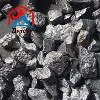
Quick Answer: Silicon metal, also called industrial silicon, is selected for its high silicon content, silver-gray metallic appearance, brittle solid form, controlled Fe/Al/Ca impurities and ability to act as a silicon source in aluminum alloy, chemical, metallurgical and powder-processing applications. For industrial buyers, these properties should be translated into practical purchasing specifications such as grade, COA values, particle size, packing method and inspection requirements.

Silicon metal properties are not only basic technical information. They directly affect how the material is selected, handled, processed and inspected in industrial purchasing. A buyer using silicon metal for aluminum alloy production may focus on Si content, Fe/Al/Ca control and lump size. A buyer using silicon metal for chemical processing may pay more attention to impurity limits, particle form, moisture control and batch consistency.
This guide explains the main physical and chemical properties of silicon metal, how these properties affect industrial uses, and how buyers can convert them into clear purchasing requirements.
Appearance, brittleness, particle size and packing behavior affect handling, feeding and screening.
Si content and Fe/Al/Ca impurities influence grade selection, COA review and end-use acceptance.
Different applications require different grades, impurity limits, size ranges and packing methods.
What Is Silicon Metal?
Silicon metal is an industrial silicon material produced from quartz-based raw materials through high-temperature reduction. In commercial supply, it is usually delivered as lumps, granules or powder. Buyers commonly compare silicon metal by grade, Si content, Fe/Al/Ca values, size range, COA and packing method.
Although it has a metallic luster and is called "silicon metal," buyers should evaluate it through chemical analysis and shipment documents rather than appearance alone. The same visual appearance may correspond to different grades, impurity levels and end-use suitability.
| Basic Item | Practical Meaning for Buyers |
|---|---|
| Product Name | Silicon metal, industrial silicon or metallurgical-grade silicon depending on context and specification. |
| Common Forms | Lumps, granules and powder for different feeding, melting, blending or processing needs. |
| Main Quality Indicator | Si content, together with Fe, Al, Ca and other impurity values shown in the COA. |
| Common Grade Communication | Grades such as 553, 441, 3303, 2202 and 1101 are used to communicate impurity control levels. |
Key Physical Properties of Silicon Metal
Physical properties affect how silicon metal is handled, crushed, screened, packed and fed into downstream processes. For buyers, these properties are most useful when they are connected to particle size, fines control, packing behavior and application requirements.
| Physical Property | Practical Meaning for Buyers | Purchasing Checkpoint |
|---|---|---|
| Silver-Gray Metallic Luster | Useful for visual identification, but it cannot replace chemical testing or COA review. | Check COA instead of relying only on appearance. |
| Brittle Solid Form | Explains why crushing, screening and fine powder control matter during supply. | Confirm oversize, undersize and fines requirements. |
| High-Temperature Processing Behavior | Relevant to furnace charging, alloying and metallurgical applications. | Match lump size with furnace or feeding process. |
| Particle Size | Affects feeding, melting, dispersion, dust and handling loss. | Specify lumps, granules or powder clearly. |
| Packing and Flow Behavior | Affects storage, transport, dosing and loading operation. | Confirm packing method, bag marks and moisture protection if needed. |
Buyer Reminder: Physical appearance can help identify the material, but it does not prove grade or impurity control. For industrial purchasing, silicon metal properties should always be checked together with COA, size range and batch information.
Key Chemical Properties of Silicon Metal
Chemical properties are central to silicon metal grade selection. In industrial purchasing, buyers usually focus on Si content and controlled impurities such as Fe, Al and Ca. These values influence whether a batch is suitable for aluminum alloy, chemical processing, metallurgical use or other downstream applications.
| Chemical Factor | Why It Matters | How Buyers Should Check |
|---|---|---|
| Si Content | Main quality indicator of silicon metal. | Confirm actual COA value and grade requirement. |
| Fe | Important for aluminum alloy and some chemical applications. | Check maximum Fe limit and batch stability. |
| Al | May affect downstream formulation, acceptance or process control. | Confirm actual Al value in the COA. |
| Ca | Often checked in controlled grades and stricter industrial use. | Confirm Ca limit and whether it is included in the specification. |
| Surface Condition | May affect storage, powder handling and buyer acceptance. | Confirm packing, moisture protection and storage expectations when required. |
Grade names such as 553, 441, 3303, 2202 and 1101 are practical ways to communicate impurity control. However, actual purchasing decisions should be based on COA values, not grade name alone.
Why Si, Fe, Al and Ca Matter in Silicon Metal Specifications
Si, Fe, Al and Ca are more than chemical symbols in a specification sheet. They are the main bridge between silicon metal properties and industrial acceptance. When buyers compare silicon metal quotations, these elements should be checked together with grade, application and COA.
| Specification Item | What It Tells Buyers | Common Purchasing Risk |
|---|---|---|
| Si | Whether the material meets the main silicon content requirement. | Only checking grade name without confirming actual Si value. |
| Fe | Whether the material fits aluminum alloy or chemical acceptance limits. | Assuming all same-grade material has the same Fe level. |
| Al | Whether downstream formulation or process tolerance may be affected. | Comparing price without checking Al value. |
| Ca | Whether the batch meets controlled grade requirements. | Ignoring Ca when the downstream process requires tighter control. |
For strict applications, buyers should request lot-based COA and confirm whether Fe, Al and Ca values match the order specification. If the COA only shows a grade name without detailed values and lot number, it may not be enough for quality review.
How Silicon Metal Properties Affect Industrial Applications
Different industrial applications do not use silicon metal for the same reason. Some applications focus on silicon content and alloying effect. Some focus on impurity control. Others focus on particle form, moisture, dust or feeding behavior. Understanding the connection between properties and applications helps buyers choose a more suitable specification.
| Application | Property That Matters | What Buyers Should Confirm |
|---|---|---|
| Aluminum Alloy | Si content, Fe/Al/Ca control and lump size. | Grade, COA, particle size and batch stability. |
| Organic Silicon / Chemical Processing | Impurity control, particle form, consistency and moisture management. | Fe/Al/Ca values, granules or powder form, packing and storage requirements. |
| Polysilicon-Related Processing | Higher purity expectation and strict impurity control depending on process route. | Actual specification, downstream process requirement and COA values. |
| Metallurgical Use | Silicon source, cost, lump size and feeding behavior. | Grade, size range, packing and delivery stability. |
| Powder Processing | Particle size, dust, moisture and sealed packing. | Mesh size, moisture control, packing and safe handling requirements. |
Important Note: Silicon metal used for chemical or polysilicon-related processing may require stricter specifications than general metallurgical grades. Buyers should not assume that ordinary 441 or 553 material is suitable without checking the actual downstream specification and COA.
Silicon Metal Forms: Lumps, Granules and Powder
Because silicon metal is brittle, it can be crushed and screened into different size ranges. Lumps, granules and powder are selected for different feeding methods, melting behavior, reaction requirements and handling conditions.
| Form | Common Size Reference | Typical Use | Buyer Checkpoint |
|---|---|---|---|
| Lumps | 10–100mm or custom range. | Furnace charging, alloy production and bulk metallurgical use. | Oversize, undersize, breakage and packing strength. |
| Granules | 1–10mm, 3–10mm or custom range. | Controlled feeding, automatic dosing and faster dispersion. | Fine powder ratio, flowability, moisture protection and dust control. |
| Powder | Specified by mesh size or buyer requirement. | Chemical processing, powder metallurgy and blending applications. | Mesh, moisture, sealed packing, dust and safe handling. |
A size range should be more than a simple number in the quotation. Buyers should confirm whether fine powder is acceptable, whether oversize particles are limited, whether screening is required and whether the packing method is suitable for the selected form.

Common Applications of Industrial Silicon Metal
Industrial silicon metal is used in several downstream sectors because it provides a practical silicon source. However, each application has its own specification focus. Buyers should avoid using one general description for all applications.
Aluminum Alloy Production
Buyers usually focus on Si content, Fe/Al/Ca limits, lump size and batch stability. COA values should be checked before shipment, especially when impurity control is part of the acceptance standard.
Chemical Processing
Chemical applications may require closer impurity control, specific particle form and moisture-aware packing. The final specification should follow the buyer's process requirement.
Metallurgical Use
Metallurgical applications often focus on silicon source, cost, lump size and reliable delivery. Buyers should confirm size range, packing method and COA before order confirmation.
Powder and Blending Applications
Powder applications require attention to mesh size, dust, moisture and sealed packing. Buyers should specify handling and storage requirements before quotation.
How Buyers Should Match Silicon Metal Properties with Purchasing Specifications
A useful silicon metal specification should connect application requirements with measurable purchasing items. Instead of asking only for "silicon metal price," buyers should translate the application into grade, chemical limits, size, packing and document requirements.
| Buyer Question | Specification Item to Confirm |
|---|---|
| What is the downstream application? | Grade and impurity limits. |
| How will the material be fed or processed? | Lump, granule or powder size range. |
| Is impurity control strict? | Maximum Fe, Al, Ca and other required values. |
| Is dust or fine powder a concern? | Fine powder ratio, screening requirement and packing method. |
| Is traceability required? | Lot-based COA and batch number. |
| Is export shipment involved? | Packing, bag marks, invoice, packing list, COA, MSDS and loading photos if required. |
Buyers comparing suppliers can also review our Silicon Metal Manufacturers in China guide to check COA, quotation terms, packing, inspection and supplier reliability before placing an order.
Need Help Matching Silicon Metal Properties with Your Specification?
Send your application, required grade, Si/Fe/Al/Ca limits, size range, product form, packing method, quantity, destination and inspection requirement. Clear specifications help match silicon metal properties with actual industrial use.
For direct sourcing support, buyers can review our Industrial Silicon Metal Factory and Supplier in China page.
FAQ About Silicon Metal Properties and Uses
Q:What are the main properties of silicon metal?
A:The main properties include high silicon content, silver-gray metallic luster, brittle solid form, particle size variability and controlled impurities such as Fe, Al and Ca. For purchasing, these properties should be checked through COA and specification documents.
Q:Why are Fe, Al and Ca important in silicon metal?
A:Fe, Al and Ca are common impurity indicators. They can affect whether silicon metal is suitable for aluminum alloy, chemical processing or other controlled industrial applications. Buyers should confirm actual values in the COA.
Q:What are common industrial uses of silicon metal?
A:Common uses include aluminum alloy production, chemical processing, metallurgical applications and powder-processing applications. Each use may require different grade, impurity control, particle size and packing requirements.
Q:Is silicon metal 441 or 553 suitable for all applications?
A:No. Grades such as 441 and 553 are common industrial grades, but suitability depends on the application, COA values, impurity limits, size range and downstream process requirements.
Q:How does particle size affect silicon metal use?
A:Particle size affects feeding, melting, dispersion, dust, handling loss and storage. Lumps are often used for furnace charging, granules for controlled feeding, and powder for chemical or powder-processing applications.
Q:What should buyers check before purchasing silicon metal?
A:Buyers should confirm application, grade, Si/Fe/Al/Ca limits, particle size, product form, COA, packing method, lot traceability and inspection requirements before order confirmation.
Q:Can appearance prove silicon metal grade?
A:No. Appearance may help identify the material, but it cannot prove grade, Si content or Fe/Al/Ca control. Buyers should rely on COA and agreed specifications.
Conclusion
Silicon metal properties should be understood from both technical and purchasing perspectives. High silicon content, controlled Fe/Al/Ca values, brittle form, particle size and packing behavior all influence how the material is used and accepted in industrial applications.
For buyers, the most practical approach is to convert silicon metal properties into clear purchasing specifications: grade, COA values, particle size, product form, packing method, inspection requirement and export documents. When these details are confirmed before shipment, silicon metal sourcing becomes easier to control and more suitable for stable industrial use.