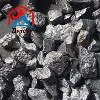
When sourcing ferrovanadium for high‑performance steel production, Ferrovanadium 80 (FeV80) that meets ASTM A102 is the most reliable choice for consistent quality, predictable alloying results, and global market compliance. This widely recognized standard sets clear limits on vanadium content and harmful impurities, making it essential for buyers who want stable production outcomes and fewer quality risks in tool steel, alloy steel, and high‑strength steel applications.
What ASTM A102 Actually Means for FeV80
ASTM A102 is the industry standard from ASTM International specifically for ferrovanadium used in steelmaking. It covers several grades, including FeV40, FeV50, and the commonly used Ferrovanadium 80 (FeV80), and establishes strict, practical requirements for chemical makeup, impurity levels, and delivery conditions.
Unlike generic or uncertified material, FeV80 produced to ASTM A102 is tested and verified before shipment. This removes uncertainty from the supply chain and ensures every batch performs consistently in real melting and refining processes.
Typical Chemical Requirements for ASTM A102 FeV80
The strength of ASTM A102 lies in its clear and practical composition limits for FeV80. Vanadium is held between 75% and 85%, the optimal range for effective grain refinement and carbide formation in steel.
Carbon and silicon are kept low to avoid unwanted effects on hardness and structure. Phosphorus and sulfur, which can cause brittleness and internal flaws, are each limited to 0.05% or less. Aluminum is also tightly controlled to maintain steel cleanliness. These controlled ranges are what make ASTM‑compliant FeV80 suitable for critical steel applications.
| Element | ASTM A102 Typical Range (%) |
|---|---|
| Vanadium (V) | 75–85 |
| Carbon (C) | ≤ 0.10–0.15 |
| Silicon (Si) | ≤ 1.5–2.0 |
| Phosphorus (P) | ≤ 0.05 |
| Sulfur (S) | ≤ 0.05 |
| Aluminum (Al) | Controlled |
These values ensure that FeV80 can be safely used in demanding steel applications without introducing harmful impurities.


Why ASTM A102 Compliance Matters for Steel Production
In steel production, especially for tool steel, high‑speed steel, and HSLA steel, raw material consistency directly affects final product performance. Using Ferrovanadium 80 (FeV80) that follows ASTM A102 ensures stable vanadium recovery, predictable alloying behavior, and less need for frequent process adjustments.
Even small variations in vanadium or impurities can lead to uneven microstructure, lower wear resistance, and inconsistent mechanical properties. By adhering to ASTM A102, FeV80 minimizes these issues and supports smoother, more reliable steel manufacturing.
ASTM A102 FeV80 vs. Non‑Standard Material
The difference between compliant and unregulated FeV80 is often overlooked but impactful. Non‑standard ferrovanadium typically has wider swings in vanadium content, higher impurities, and inconsistent batch quality, which can lead to production problems, higher rejection rates, and unreliable end products.
Ferrovanadium 80 (FeV80) produced to ASTM A102, by contrast, offers verified chemistry, controlled impurities, and dependable performance batch after batch. For high‑end steel applications where quality cannot be compromised, this distinction is decisive.
What Buyers Should Check Before Buying ASTM A102 FeV80
For buyers looking for Ferrovanadium 80 (FeV80) ASTM A102, price should not be the only consideration. Before placing an order, confirm a valid Certificate of Analysis (COA) that references ASTM A102 compliance, review actual impurity levels for phosphorus, sulfur, and aluminum, check particle size and packaging for your process, and ensure consistency across multiple shipments.
These simple checks help ensure the material you receive is truly ASTM‑compliant and will perform as expected in production.
Where ASTM A102–Compliant FeV80 Is Used
Ferrovanadium 80 (FeV80) meeting ASTM A102 is widely used in high‑performance steel segments where strength, wear resistance, and consistency matter most. It is commonly added to tool steel, high‑speed steel, alloy structural steel, and high‑strength low‑alloy steel to refine grains, form stable carbides, and improve overall durability.
Thanks to the strict controls in ASTM A102, FeV80 can be used confidently across these applications without introducing damaging inclusions or composition shifts.
Conclusion
For steel producers and industrial buyers, Ferrovanadium 80 (FeV80 ASTM A102) represents the standard for dependable, high‑quality ferrovanadium. Compliance with ASTM A102 ensures controlled vanadium content, low impurities, and consistent batch performance, directly lowering production risk and supporting stable, high‑quality steel output.
When sourcing FeV80 for critical applications, choosing material certified to ASTM A102 is the most practical way to ensure predictable performance, meet international quality expectations, and maintain smooth long‑term production.
Get Technical Support and Latest Price
Choosing the right ferrovanadium for tool steel depends on your steel grade, process, and performance requirements.
E-mail: sale@zanewmetal.com
FAQ
Q:What are ferrovanadium uses in industry?
A:Ferrovanadium is mainly used as an alloying element in steelmaking, especially in tool steel, high-speed steel, and high-strength low-alloy (HSLA) steel. It improves hardness, wear resistance, and mechanical strength by forming stable vanadium carbides.
Q:What is ferrovanadium alloy?
A:Ferrovanadium is an iron-vanadium alloy containing typically 50%–80% vanadium. It is used to introduce vanadium into steel, enhancing properties such as strength, toughness, and resistance to wear and high temperatures.
Q:What is the ferrovanadium formula?
A:Ferrovanadium does not have a fixed chemical formula because it is an alloy rather than a compound. It is generally represented as FeV, with varying vanadium content depending on the grade, such as FeV50 or FeV80.
Q:What industries use ferrovanadium?
A:Ferrovanadium is widely used in:
- steel and metallurgy industry
- tool and die manufacturing
- aerospace and automotive sectors
- construction and infrastructure
👉 It is especially critical in tool steel production where high performance is required.
Q:What is ferrovanadium production process?
A:Ferrovanadium is typically produced by reducing vanadium oxides (such as V₂O₅) using aluminum or silicon in a controlled smelting process. The result is a ferroalloy that can be directly added to molten steel.
Q:What is the HS code for ferrovanadium?
A:The HS code for ferrovanadium is 72029210, which is used for international trade and customs classification.
Q:What affects ferrovanadium price?
A:Ferrovanadium price is influenced by several factors, including:
- vanadium content (FeV50 vs FeV80)
- raw material cost (vanadium oxides)
- supply and demand in the steel industry
- energy and production costs
Q:Where can I get the latest ferrovanadium price?
A:Ferrovanadium prices change frequently depending on market conditions, specifications, and order quantity. It is recommended to contact suppliers directly for real-time quotations.📩 sale@zanewmetal.com