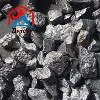
How Much Does the Cost of Ferrovanadium 80 Differ Between Aluminothermic and Silicothermic Routes?
Ferrovanadium 80 cost does not differ by one fixed percentage between aluminothermic and silicothermic routes. The real difference depends on reductant cost, V2O5 feedstock quality, furnace energy, vanadium recovery, slag loss, Al/Si control, refining cost and COA acceptance. In steelmaking use, a lower quoted Ferrovanadium 80 price may not mean lower real cost if the material brings unstable vanadium recovery, higher impurity adjustment cost or rejected batch risk.
Quick Answer: Ferrovanadium 80 Cost Difference Is Not a Fixed Number
The cost of Ferrovanadium 80 differs between aluminothermic and silicothermic routes because the two routes use different reducing agents, energy systems, furnace conditions and impurity-control methods. Aluminothermic Ferrovanadium 80 usually depends more on aluminum powder, reaction heat and strict slag control. Silicothermic Ferrovanadium 80 usually depends more on ferrosilicon, electric furnace control and Si management.
For steel plants, the practical question is not only "which route has a lower production cost?" The better question is: which route gives stable usable vanadium at an acceptable COA level for your steel grade?
Why the Production Route Changes Ferrovanadium 80 Cost
FeV 80 is a high-vanadium ferrovanadium grade. Because the vanadium content is high, small changes in recovery rate, slag loss, impurity correction or rejected batch risk can strongly affect the real cost per usable vanadium unit.
Aluminothermic and silicothermic routes may both produce ferrovanadium, but they do not create the same cost structure. The difference comes from the way each route reduces vanadium oxide, controls heat, separates slag and metal, and manages residual Al or Si in the final alloy.
Cost Driver Table: Aluminothermic vs Silicothermic Ferrovanadium 80
| Cost Factor | Aluminothermic Ferrovanadium 80 | Silicothermic Ferrovanadium 80 | How It Affects Real Cost |
|---|---|---|---|
| Reducing agent | Aluminum powder | Ferrosilicon | Aluminum powder and ferrosilicon follow different market price cycles. |
| Heat source | Strong self-heating reaction | Often needs electric furnace control | Energy cost, furnace time and power consumption can change the route cost. |
| Feedstock requirement | Usually needs stable vanadium oxide feedstock | May allow different feedstock and furnace adjustment routes | Feedstock purity affects recovery, impurity control and final COA acceptance. |
| Vanadium recovery | Depends on reaction control and slag practice | Depends on furnace operation and slag-metal separation | Lower recovery increases cost per usable vanadium unit. |
| Slag loss | Vanadium loss to slag must be controlled | Slag separation and unreduced oxide loss must be controlled | More vanadium in slag means higher real production cost. |
| Al control | Al residue needs attention | Al pressure is usually different | High Al may affect acceptance for some steelmaking requirements. |
| Si control | Usually lower Si route pressure | Si control needs closer attention | Higher Si may require process adjustment in Si-sensitive steel grades. |
| COA acceptance | Check V, Al, C, P and S | Check V, Si, C, P and S | A batch that fails COA acceptance can erase any quoted price advantage. |
Reductant Cost: Aluminum Powder vs Ferrosilicon
The most visible cost difference comes from the reducing agent. Aluminothermic Ferrovanadium 80 uses aluminum as the main reductant, while silicothermic Ferrovanadium 80 uses silicon-bearing reductants such as ferrosilicon. When aluminum powder prices rise, the aluminothermic route may become more expensive. When ferrosilicon or power cost rises, the silicothermic route may lose part of its cost advantage.
This is why Ferrovanadium 80 route cost should not be judged by route name alone. The same route may be competitive in one market period and less competitive in another.
Energy and Furnace Cost: Self-Heating Reaction vs Electric Furnace Control
Aluminothermic reduction releases strong reaction heat, so the process may need less external furnace energy in some production conditions. Silicothermic reduction can require stronger electric furnace support because heat balance and slag-metal separation need to be controlled during smelting.
For Ferrovanadium 80, energy cost is not only electricity price. Furnace holding time, tapping temperature, slag viscosity, refractory wear and process stability can all change the final production cost.
Vanadium Recovery and Slag Loss: Why Ferrovanadium 80 Is Cost-Sensitive
Ferrovanadium 80 is more cost-sensitive than lower-vanadium ferrovanadium grades because more value is concentrated in vanadium units. If vanadium recovery drops, the real cost per usable vanadium unit rises quickly.
The main recovery risks include unreduced vanadium oxide, vanadium loss into slag, metal droplet entrainment and unstable slag-metal separation. A route with a lower quoted cost may become more expensive in real use if recovery is unstable or slag loss is high.
Al and Si Control: How Route Choice Affects COA Acceptance
COA acceptance is where route difference becomes visible to the steel plant. Aluminothermic Ferrovanadium 80 requires attention to Al control. Silicothermic Ferrovanadium 80 requires attention to Si control. For many steelmaking users, V content alone is not enough to judge whether the batch is cost-effective.
| COA Item | Why It Matters for Ferrovanadium 80 Cost |
|---|---|
| V content | Determines usable vanadium and cost per vanadium unit. |
| Al | Important when comparing aluminothermic route quality and steel grade acceptance. |
| Si | Important when comparing silicothermic route quality and Si-sensitive steel grades. |
| C | May affect low-carbon or special steel requirements. |
| P | High P may affect steel toughness and quality stability. |
| S | High S may affect cleanliness and processing performance. |
| Batch number | Helps compare sample, trial order and bulk shipment consistency. |
| Inspection date and method | Helps verify whether the COA is current and traceable. |
Quoted Price vs Real Cost: How Steel Plants Should Compare Ferrovanadium 80
Ferrovanadium 80 quoted price is not the same as Ferrovanadium 80 real cost. A lower price per metric ton may not reduce your steelmaking cost if the batch has lower usable vanadium, higher impurity adjustment cost, unstable recovery or a higher rejection risk.
Practical calculation:
Real Ferrovanadium 80 cost per usable V unit = quoted Ferrovanadium 80 price ÷ actual V content ÷ estimated V recovery + impurity adjustment cost + rejected batch risk + freight and handling cost.
This formula is more useful than asking whether aluminothermic or silicothermic Ferrovanadium 80 is always cheaper. The real answer depends on your production condition and your acceptance standard.
Production Impact: What Changes in Steelmaking Use?
In steelmaking, the route difference may show up in addition efficiency, usable vanadium recovery, Al/Si adjustment, dissolution behavior, slag practice and final steel grade acceptance.
If the final Ferrovanadium 80 COA is stable and matches your steel grade requirement, the production route may be less important than actual performance. If your steel plant has strict limits on Si, Al, C, P or S, the route should be reviewed together with COA data and trial performance.
Which Ferrovanadium 80 Route Fits Your Production?
| Your Production Requirement | What to Check Before Choosing the Route |
|---|---|
| Strict Si control | Compare Si limits carefully, especially for silicothermic Ferrovanadium 80. |
| Strict Al control | Check Al data carefully, especially for aluminothermic Ferrovanadium 80. |
| High-strength steel or tool steel | Prioritize stable V content, low impurities and batch consistency. |
| General alloy addition | Compare quoted price, actual V content and COA acceptance together. |
| Long-term bulk use | Review batch consistency, inspection reports and sample-to-bulk matching. |
| Price-sensitive production | Do not compare price only; calculate real cost per usable V unit. |
Common Mistakes When Comparing Aluminothermic and Silicothermic Ferrovanadium 80 Cost
- Comparing only the quoted price per metric ton.
- Ignoring actual V content and estimated recovery rate.
- Using route name as the only quality judgment.
- Not comparing Al and Si control in the COA.
- Ignoring slag loss and rejected batch risk.
- Assuming one route is always cheaper in every market condition.
FAQ: Ferrovanadium 80 Cost Difference Between Production Routes
Q:Is aluminothermic Ferrovanadium 80 always more expensive?
A:Not always. It may cost more when aluminum powder, strict feedstock control and low-impurity requirements increase production cost. But final cost still depends on recovery, slag loss and COA acceptance.
Q:Is silicothermic Ferrovanadium 80 always cheaper?
A:Not necessarily. Silicothermic Ferrovanadium 80 may look cheaper when ferrosilicon and furnace operation costs are favorable. However, higher Si control requirements, recovery loss or COA rejection risk can reduce its cost advantage.
Q:How should steel plants calculate the real cost of Ferrovanadium 80?
A:Steel plants should compare quoted price, actual V content, estimated V recovery, Al/Si/C/P/S limits, batch consistency, freight cost and rejection risk. The route with the lower quote is not always the route with the lower real cost.
Q:Which route is better for high-strength steel?
A:The better route is the one that provides stable usable vanadium and acceptable impurity levels for the target steel grade. For high-strength steel, COA stability and batch consistency are usually more important than route name alone.
Q:What should be checked in the Ferrovanadium 80 COA?
A:The main COA items include V, Al, Si, C, P, S, batch number, inspection date and test method. These items help confirm whether the Ferrovanadium 80 batch is suitable for your steelmaking process.
Final Note: Cost Difference Should Be Judged by Usable Vanadium
The cost difference between aluminothermic and silicothermic Ferrovanadium 80 is not a fixed number. You should judge it by usable vanadium, recovery rate, slag loss, COA acceptance and production stability. A route that looks cheaper at the quotation stage may not be cheaper in steelmaking if it creates impurity adjustment, unstable recovery or rejected batch risk.
For FeV 80 sourcing, we help confirm V content, Al/Si/C/P/S limits, lump size, COA, inspection report, packing method and sample-to-bulk consistency before shipment.