Q&a
1) Q: What is Ferrosilicon 65, in practical procurement terms.
A: Ferrosilicon 65, often written as FeSi 65, is a silicon-bearing ferroalloy used to deliver silicon into molten metal with predictable performance and manageable cost. In purchasing, the most important point is that "65" is a market grade label, not a complete specification. Buyers should treat it as a starting point and then lock the relevant chemistry limits, sizing, and inspection basis in the purchase order.
2) Q: What are the key chemical properties buyers should focus on.
A: The defining chemical property is silicon content, but buyers usually win or lose on what surrounds the silicon. The properties that matter most are:
- Effective silicon delivery: how consistently the alloy performs when added to molten metal, which depends on both chemistry and physical form.
- Impurity behavior: elements such as P, S, Al, and Ca can become hidden penalties if your downstream specification is tight.
- Lot-to-lot stability: a supplier with tight variance typically reduces melt adjustments, scrap risk, and disputes.
A buyer-friendly approach is to specify the limits you truly need and then request multiple recent COAs to verify stability rather than relying on a single sample.
3) Q: What physical properties of FeSi 65 influence plant performance.
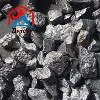
A: FeSi 65 is typically hard and brittle, which is useful for crushing and screening but also means it can generate fines during handling if packing and transit protection are weak. Practical physical properties that influence cost and performance include:
- Particle size distribution: drives dissolution timing, dust generation, and effective yield.
- Fines tendency: excessive fines increase oxidation loss and handling loss, raising your true cost-per-effective-silicon.
- Surface condition: heavy oxidation or contamination can reduce effective yield and create variability in melt response.
If you want consistent performance, specify not only a size band but also a fines cap tied to a sieve definition.
4) Q: What metallurgical property matters most when FeSi 65 is used as a deoxidizer or silicon source.
A: The most important metallurgical property is predictable dissolution and reaction timing. In steelmaking, FeSi 65 is often used for deoxidation and silicon correction, where timing and repeatability reduce operator compensation and stabilize heat-to-heat results. If sizing is inconsistent, dissolution becomes inconsistent, and buyers end up paying for variability through over-addition or rework.
5) Q: How does size affect dissolution, yield, and total cost.
A: Size is a direct driver of performance:
- Oversized lumps may dissolve more slowly, increasing timing variability and encouraging over-addition.
- Excess fines oxidize faster and can be lost as dust during transfer, which reduces effective silicon delivered to the bath.
This is why two offers with similar chemistry can have different true value. A cargo with stable sizing and controlled fines often delivers a lower total cost even if the FOB number is slightly higher.
6) Q: What handling and storage properties should buyers consider for FeSi 65.
A: FeSi 65 is generally stable in normal storage, but buyers should treat it as an industrial material where moisture control, dust control, and bag integrity matter:
- Keep it dry and avoid unnecessary re-handling that creates fines.
- Control dust at the receiving site, especially when unloading or transferring screened material.
- If you repeatedly see high dust on arrival, treat it as a packing and transit abrasion issue, not only a product issue.
7) Q: What documents confirm FeSi 65 properties and reduce trade risk.
A: The documents that most directly support quality and compliance are:
- COA: should be issued per lot or per container, with batch identification and the impurity items you care about.
- MSDS: supports EHS review and safe handling.
- Packing list and batch marking: improves traceability during incoming inspection.
- Certificate of Origin and HS code consistency: reduces customs and clearance friction.
If you buy powder or screened sizes, it is also reasonable to request PSD reporting or agreed testing references, because physical properties often drive performance disputes.


FAQ
1) Q: What is Ferrosilicon 65 used for.
A: Most commonly for steelmaking deoxidation and silicon correction, and in foundry practice where a stable silicon-bearing alloy is needed.
2) Q: What is the difference between FeSi 65 and FeSi 75.
A: FeSi 75 delivers more silicon per ton, but the better purchase depends on cost-per-effective-silicon and physical consistency, not the label alone.
3) Q: Is FeSi 65 an inoculant.
A: It can be used in inoculation-related practice, but many foundries use specialized inoculants for tighter microstructure control. Buying emphasis shifts to size consistency and repeatability.
4) Q: What impurities should I control in FeSi 65.
A: Common buyer focus is P, S, Al, and Ca, selected based on your downstream sensitivity and melt recipe.
5) Q: What size is most common for FeSi 65.
A: Common practice is lump sizes with a defined band, but the most important clause is a fines cap with a clear sieve definition.
6) Q: Why do two FeSi 65 shipments perform differently with similar COAs.
A: The difference is often size distribution, fines level, oxidation, packing damage, or lot-to-lot variance that the grade name does not capture.
7) Q: What should a COA include for FeSi 65.
A: Silicon plus the impurity limits you specify, and batch identification. For screened product, agree whether PSD reporting is required.
8) Q: Do I need an MSDS for ferrosilicon.
A: Many buyers require it for EHS and internal compliance workflows, especially for new supplier onboarding.
9) Q: What is the CAS number for ferrosilicon.
A: Many procurement systems request a CAS reference for classification. Ask your supplier to provide the correct CAS entry used on their MSDS and documents.
10) Q: What is the HS code for ferrosilicon.
A: HS code can vary by country practice and declaration details. The key is consistency across quote, invoice, and customs documents.
11) Q: How should ferrosilicon be packed for export.
A: Buyers commonly choose big bags or multi-layer small bags with palletization. The priority is bag strength and abrasion control to prevent fines generation in transit.
12) Q: What is the best way to onboard a new FeSi 65 supplier.
A: Review multiple recent COAs, confirm sizing and fines definition, and run a trial order with inspection method and claims window clearly written.
Why Choose Us
- Performance-first sizing control: we help buyers define size bands and fines caps that protect effective yield, not just chemistry.
- Consistency management: multi-lot stability is treated as a KPI, supporting smoother melt practice and fewer adjustments.
- Traceability discipline: batch identification and COA workflows designed for faster incoming inspection and clearer dispute handling.
- Export packing built to reduce fines: packing and loading practices aimed at minimizing abrasion, dust, and bag damage during long transit.
About Our Company
When buyers source ferrosilicon internationally, they typically want two outcomes at the same time: stable performance at the furnace and low friction in trade execution. We support that by focusing on spec clarity, lot stability, and documentation discipline, so your purchasing team can approve cargo faster and your operators see fewer surprises at the receiving end. We also pay attention to packing and loading details that protect size distribution during shipping, because physical degradation is one of the most common sources of hidden cost in ferrosilicon trade.
We are a factory direct supplier with stable monthly capacity. Our production base covers about 30,000 square meters, and we export to 100+ countries and regions, serving 5,000+ customers. Our market-savvy sales team supports buyers with practical procurement guidance. We supply ferrosilicon, silicon metal, and other metallurgical products.