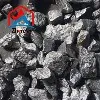
Ferrosilicon slag is a by-product generated during ferrosilicon smelting. Depending on the smelting conditions and separation process, it may contain residual metallic ferrosilicon, silicon-rich particles, iron-bearing materials and non-metallic slag components. Instead of treating all of it as waste, suitable ferrosilicon slag can be processed to recover valuable metal-bearing fractions, recycled as secondary metallurgical raw materials or used to manufacture certain silicon-bearing products. Its utilization value depends primarily on its chemical composition, recoverable metal content and processing requirements.
Quick Answer
The main roles of ferrosilicon slag are recovering residual ferrosilicon, providing secondary raw materials for metallurgical production, manufacturing selected silicon balls and reducing the loss of valuable silicon-bearing materials. However, not all slag can be directly returned to a furnace. Chemical analysis, separation and processing are necessary to determine its suitability for reuse.
Table of Contents
- What Is Ferrosilicon Slag?
- How Is Ferrosilicon Slag Generated?
- Main Roles and Uses of Ferrosilicon Slag
- Ferrosilicon Slag as a Raw Material for Silicon Balls
- How Is Ferrosilicon Slag Recycled?
- Factors Affecting Recycling Value
- Ferrosilicon Scrap vs. Ferrosilicon Slag
- Storage and Handling Considerations
- Frequently Asked Questions
1. What Is Ferrosilicon Slag?
Ferrosilicon slag is a solid residue associated with the production and processing of ferrosilicon alloys. It is generated during smelting, tapping, metal separation and subsequent handling operations.
Unlike finished ferrosilicon, which is produced to meet specific chemical composition and particle size requirements, ferrosilicon slag is a heterogeneous material. Its composition can vary considerably depending on furnace conditions, raw material quality, smelting practice and the efficiency of metal recovery.
Depending on its source, ferrosilicon slag may contain:
- Residual metallic ferrosilicon particles.
- Silicon-rich material.
- Iron-bearing components.
- Silica and other oxide-containing materials.
- Other mineral impurities from the smelting process.
The presence of recoverable metallic components gives certain types of ferrosilicon slag economic value. Through appropriate sorting, crushing, screening and separation, useful fractions can be recovered for further metallurgical applications.
It is important to distinguish ferrosilicon slag from finished ferrosilicon products. For example, Ferrosilicon 75 is a commercial alloy with defined silicon content and impurity limits, whereas slag requires additional evaluation before it can be reused.
2. How Is Ferrosilicon Slag Generated?
Ferrosilicon is generally produced by smelting silica-bearing raw materials, carbonaceous reducing agents and iron-bearing materials in submerged electric arc furnaces.
During smelting, silicon is reduced from silica through high-temperature chemical reactions. The resulting molten alloy is separated from the furnace residue and subsequently cooled and processed.
Ferrosilicon slag and metal-bearing residues can arise at several stages:
2.1 During Furnace Smelting
High-temperature smelting produces molten ferrosilicon together with non-metallic slag components. Some metallic particles may remain entrained in the residue rather than being fully separated from the slag.
2.2 During Tapping and Metal Separation
During tapping and subsequent separation, small amounts of metallic material may become mixed with slag or other furnace residues. The amount of recoverable metal depends on the separation efficiency and operating conditions.
2.3 During Crushing and Screening
Finished ferrosilicon blocks are normally crushed and screened into different commercial sizes. This process can generate undersized particles, fines and off-specification material. These metallic residues should be distinguished from non-metallic furnace slag because their recovery routes may be different.
3. Main Roles and Uses of Ferrosilicon Slag
The utilization of ferrosilicon slag mainly focuses on recovering valuable silicon-bearing materials and converting suitable residues into secondary metallurgical resources. The following applications depend on the composition and physical characteristics of the recovered material.
3.1 Recovery of Residual Ferrosilicon
One of the most important uses of ferrosilicon slag is the recovery of residual metallic ferrosilicon.
During smelting and metal separation, some ferrosilicon particles may remain in the slag. If these particles are not recovered, valuable silicon and iron resources are lost.
By crushing, screening and applying suitable separation techniques, metal-rich fractions can be separated from non-metallic materials. These recovered fractions may be evaluated for further processing or reuse in metallurgical production.
The actual recovery value depends on:
- The amount of residual metallic ferrosilicon.
- The silicon content of the recovered material.
- The proportion of oxide and non-metallic impurities.
- Particle size and separation efficiency.
- The requirements of the intended recycling process.
3.2 Secondary Raw Material for Ferrosilicon Production
Suitable metal-rich fractions recovered from ferrosilicon slag may be used as secondary raw materials in certain ferrosilicon smelting operations.
Compared with purchasing entirely new raw materials, recovering usable metallic fractions can help reduce the loss of valuable alloy components. However, the recovered material must first be evaluated for its chemical composition and compatibility with the furnace charge.
Before returning recovered material to a furnace, producers should consider:
- Whether the silicon content meets the process requirements.
- Whether oxide content and other impurities are acceptable.
- Whether the particle size is suitable for furnace charging.
- Whether the additional material affects slag formation and furnace operation.
- Whether the recovered material can be incorporated into the existing charge calculation.
Not all ferrosilicon slag should be directly charged into a furnace. Material with excessive oxide content or unsuitable impurities may negatively affect the smelting process.
3.3 Raw Material for Silicon Ball Production
Selected ferrosilicon slag can also serve as a raw material for producing silicon balls, a secondary metallurgical material used in certain steelmaking and foundry applications.
The production process generally involves selecting suitable metal-rich material, removing unsuitable impurities, crushing and processing the recovered material, and forming it into balls through an appropriate compaction process.
The resulting product can provide a convenient form for handling, storage and metallurgical addition. However, its chemical composition and metallurgical performance depend on the quality of the original residue and the processing method.
Silicon balls produced from secondary materials should therefore be tested before use. Their silicon content, impurity levels, physical strength and particle dimensions should match the requirements of the intended application.
3.4 Reduction of Metallurgical Production Costs
Recovering valuable material from ferrosilicon slag can help metallurgical producers improve raw material utilization and reduce the quantity of recoverable alloy lost during production.
For producers operating ferrosilicon and silicon metal furnaces, this can create an opportunity to reuse suitable secondary materials rather than relying entirely on newly purchased raw materials.
The economic benefit should be evaluated by comparing the value of recovered material with the costs of collection, transportation, crushing, screening, separation, testing and further processing.
Therefore, the value of ferrosilicon slag is not determined by its total weight alone. Its recoverable metallic content and processing economics are more important.
4. Ferrosilicon Slag as a Raw Material for Silicon Balls
Silicon balls are secondary metallurgical products that can be manufactured from selected silicon-bearing metallic residues, including suitable ferrosilicon slag.
Their purpose is to provide a processed silicon-bearing material for specific metallurgical additions. Compared with loose fines, a properly formed ball may be easier to handle and feed in certain production environments.
The general processing stages may include:
| Processing stage | Main purpose |
|---|---|
| Raw material selection | Identify suitable metal-rich silicon-bearing residues. |
| Crushing and screening | Prepare the material to the required particle size. |
| Separation and purification | Reduce unsuitable slag components and impurities where technically feasible. |
| Composition testing | Verify the silicon content and relevant impurity levels. |
| Compaction and forming | Form the prepared material into the specified ball shape. |
| Final inspection | Check chemical composition, dimensions and physical integrity. |
It is important to understand that not every type of ferrosilicon slag is suitable for silicon ball production. Materials with insufficient metallic content, excessive impurities or unsuitable physical characteristics may require additional treatment or may not be economically viable.
5. How Is Ferrosilicon Slag Recycled?
The recycling of ferrosilicon slag requires an appropriate treatment process based on the composition and physical characteristics of the material. A typical recovery workflow includes the following stages.
Step 1: Sampling and Chemical Analysis
Representative samples should be collected before processing. Chemical analysis helps determine the silicon content, iron content and impurity levels of the slag. This information provides the basis for evaluating its recovery potential.
Step 2: Crushing and Size Classification
The material may be crushed into smaller particles to facilitate the separation of metallic components from non-metallic slag. Screening can then classify the material into different size fractions.
Step 3: Separation of Recoverable Material
Suitable separation methods are selected according to the material characteristics. Depending on the composition, particle size and physical properties, mechanical sorting, density-based separation or other appropriate techniques may be considered.
Step 4: Evaluation and Further Processing
The recovered metallic fractions are tested to determine whether they are suitable for furnace recycling, silicon ball production or other metallurgical applications. Additional processing may be necessary to meet the target specification.
Step 5: Final Quality Inspection
Before reuse or sale, the recovered material should undergo chemical and physical inspection. The test results should be compared with the requirements of the intended application.
6. Factors Affecting the Recycling Value of Ferrosilicon Slag
The economic value of ferrosilicon slag depends on more than its silicon content. Several technical and commercial factors determine whether recycling is practical.
| Evaluation factor | Importance |
|---|---|
| Silicon content | Indicates the potential value of the silicon-bearing material. |
| Metallic content | Helps estimate how much recoverable alloy is present. |
| Iron content | Relevant to the intended secondary metallurgical application. |
| Impurity levels | Determines whether the recovered material meets process requirements. |
| Particle size | Affects separation efficiency, handling and further processing. |
| Processing costs | Influences whether recovery provides a positive economic return. |
For this reason, a chemical analysis report and representative sample are essential when evaluating a batch of ferrosilicon slag for industrial reuse.
7. Ferrosilicon Scrap vs. Ferrosilicon Slag: What Is the Difference?
Ferrosilicon scrap and ferrosilicon slag are sometimes used interchangeably in informal commercial descriptions. However, they are not necessarily the same material. Understanding the difference is important when purchasing or evaluating secondary metallurgical raw materials.
| Comparison | Ferrosilicon Scrap | Ferrosilicon Slag |
|---|---|---|
| Definition | Off-specification metallic alloy pieces, fragments or fines. | Residue associated with smelting and processing operations. |
| Composition | Generally metal-rich, with composition depending on the original alloy. | Variable mixture of metallic and non-metallic components. |
| Main recovery route | Sorting, screening and possible remelting. | Separation, recovery and further treatment. |
| Reuse potential | May be reused as a secondary alloy raw material if specifications permit. | Depends on recoverable metallic content and processing economics. |
The distinction matters because metal-rich ferrosilicon scrap may be suitable for relatively straightforward recycling, while slag often requires additional processing to recover its valuable components.
8. Storage and Handling Considerations
Proper storage and handling are necessary to maintain material quality and reduce potential safety risks.
- Keep the material dry: Protect ferrosilicon-containing residues from rain, condensation and direct contact with water.
- Use suitable storage areas: Store materials in designated, well-ventilated areas with clear batch identification.
- Control dust: Crushing and screening can generate fine particles. Appropriate dust collection and personal protective equipment should be used.
- Prevent cross-contamination: Keep different grades and recovered material batches separated.
- Follow safety documentation: Consult the relevant SDS and local handling regulations.
Moisture exposure can be hazardous because certain ferrosilicon materials may contain phosphide or arsenide impurities that can generate toxic gases when exposed to water. Storage and handling procedures should therefore be based on the material-specific SDS and appropriate industrial safety requirements.
9. Frequently Asked Questions
Q1. What is ferrosilicon slag?
Ferrosilicon slag is a residue generated during ferrosilicon smelting and related processing operations. It may contain residual metallic ferrosilicon, silicon-rich particles, iron-bearing components and non-metallic slag materials.
Q2. What is ferrosilicon slag used for?
Its main uses include recovering residual ferrosilicon, supplying secondary raw materials for suitable metallurgical processes and manufacturing selected silicon-bearing products such as silicon balls.
Q3. Can ferrosilicon slag be reused in a furnace?
Certain metal-rich fractions can be reused in suitable smelting processes after testing and processing. However, untreated slag should not automatically be returned to the furnace because its oxide content and impurities may affect furnace operation and product quality.
Q4. Can ferrosilicon slag be used to produce silicon balls?
Yes. Selected silicon-rich and metal-bearing residues can be processed and compacted into silicon balls. The material must first be evaluated for silicon content, impurities and physical suitability. Not all ferrosilicon slag is suitable for this application.
Q5. What determines the value of ferrosilicon slag?
Its value mainly depends on recoverable metallic content, silicon content, impurity levels, particle size, processing requirements and transportation costs.
Q6. What is the difference between ferrosilicon scrap and slag?
Ferrosilicon scrap generally refers to metallic alloy fragments or fines, while ferrosilicon slag is a more heterogeneous residue that may contain both metallic and non-metallic components. Their recovery methods and reuse potential are therefore different.
10. Conclusion
Ferrosilicon slag is not necessarily valueless waste. When it contains recoverable metallic ferrosilicon or silicon-rich materials, appropriate processing can help recover useful resources, support secondary metallurgical production and improve raw material utilization.
However, successful recycling depends on understanding the material's composition and selecting a suitable recovery route. Chemical analysis, particle separation and final quality inspection are essential before the recovered material is reused in furnace operations or processed into silicon balls.
Looking for Ferrosilicon Products?
ZHEN AN INTERNATIONAL CO., LIMITED supplies ferrosilicon products for steelmaking and foundry applications. We offer different silicon grades and customized particle sizes according to customer specifications.
If you are evaluating ferrosilicon for metallurgical production, you can review our product specifications or contact our team with your required grade, chemical composition, particle size and order quantity.
ZHEN AN INTERNATIONAL CO., LIMITED | Ferrosilicon and Metallurgical Raw Materials