


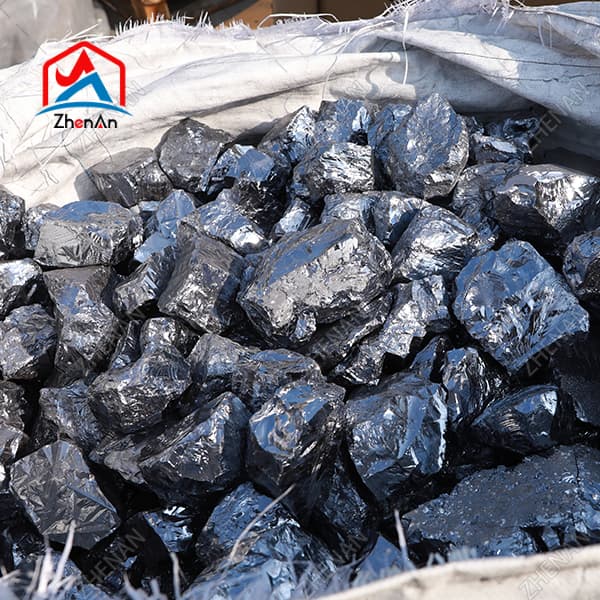

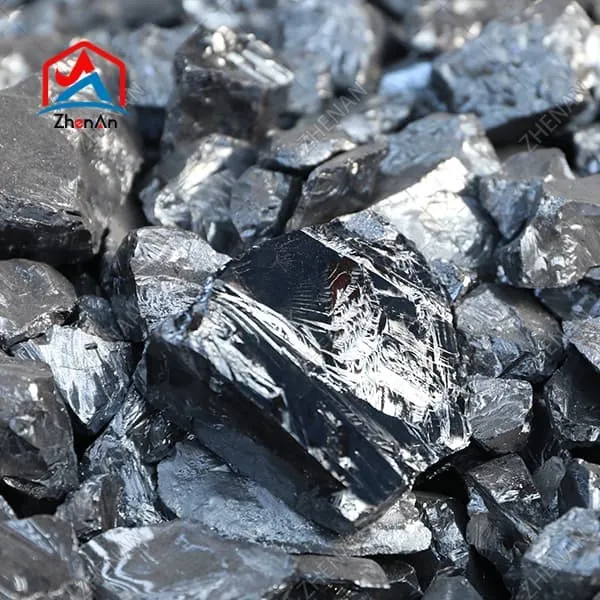
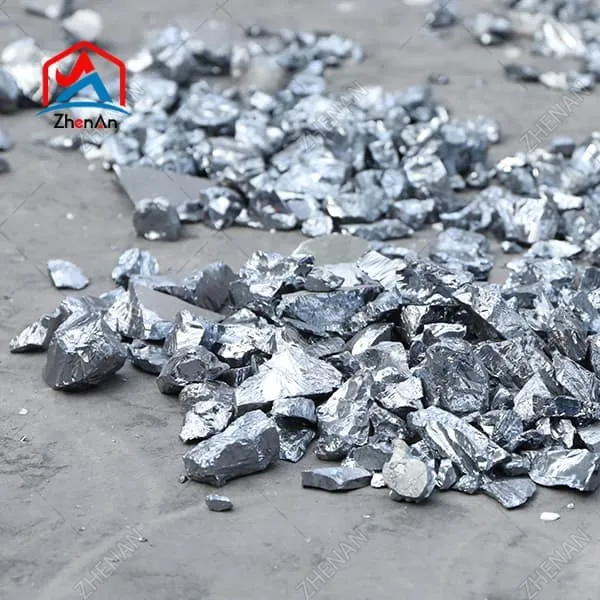
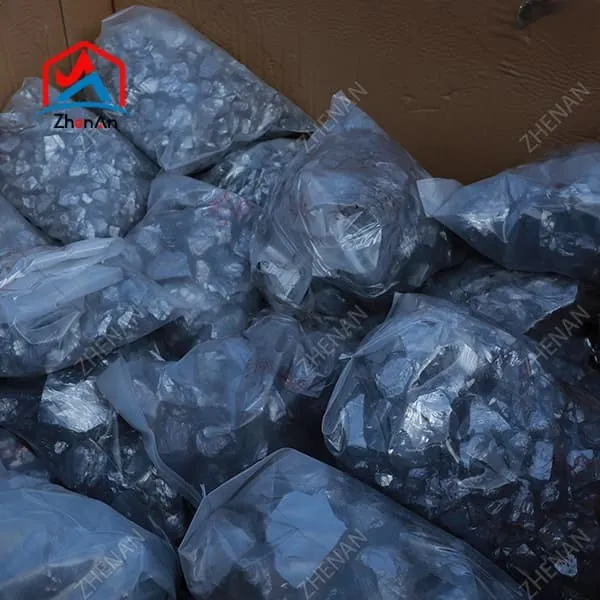
High Quality Polysilicon 6N-8N
CAS Number: 7440-21-3
MOQ:1 TON
Free samples (pay only for shipping)
Product Overview
High purity polysilicon in the 6N–8N range (99.9999%–99.999999%) is primarily used in semiconductor and high-end electronic applications where impurity control directly affects device performance and yield.
Unlike lower-grade polysilicon used in standard solar applications, 6N–8N material is designed for environments where trace elements such as boron and phosphorus must be strictly controlled at ppb levels. Even small variations in impurity content can impact resistivity, crystal growth behavior, and final wafer quality.
This grade is typically produced through advanced purification processes such as the Siemens method, followed by strict quality control to ensure batch consistency.
Fast reply within 12 hours
Technical Specifications
| Item | Specification |
|---|---|
| Purity | 6N – 8N (99.9999% – 99.999999%) |
| Resistivity | ≥ 1000–3000 Ω·cm |
| Boron (B) | ≤ 0.1 ppb |
| Phosphorus (P) | ≤ 0.1 ppb |
| Carbon (C) | ≤ 0.5 ppm |
| Oxygen (O) | ≤ 0.5 ppm |
| Metallic impurities | ≤ ppb level |
| Form | Chunk / Rod / Granular |
| Size | Customized |
Purity Levels: 6N vs 8N
In practical applications, the difference between 6N and 8N polysilicon is not just numerical purity, but how it performs in crystal growth and device fabrication.
6N Polysilicon
Suitable for high-end solar and some electronic applications
Balanced cost-performance
Stable for mono-crystalline growth
7N–8N Polysilicon
Required for semiconductor-grade applications
Ultra-low dopant content
Higher control over resistivity and defect density
Better yield in wafer production
👉 Choosing the right polysilicon grade is critical-learn how to select between 6N and 8N polysilicon based on your device performance and process requirements.
Applications
Semiconductor Manufacturing
Used for:
- single crystal silicon growth (CZ / FZ)
- wafer production
- integrated circuits
Impurity control directly affects device performance and yield rate.
High-Efficiency Solar Cells
Applied in:
- mono-crystalline silicon
- high-efficiency PV modules
Higher purity helps reduce recombination losses and improve efficiency.
Advanced Electronic Materials
Used in:
- power electronics
- sensors
- precision silicon-based components
Free quotation available
Production and Quality Control
High purity polysilicon is typically produced using chemical vapor deposition (CVD) in a closed system.
Key control points include:
- purification of trichlorosilane (TCS)
- strict control of reaction environment
- contamination prevention during deposition
- post-processing and handling under clean conditions
Each batch is tested to ensure:
- impurity consistency
- resistivity stability
- uniform structure
Packaging and Handling
Due to high purity requirements, packaging and handling are critical.
- vacuum or inert gas packaging
- anti-contamination protection
- clean handling environment
Improper handling can introduce impurities and affect performance.
Delivery and Supply Capability
- stable production capacity supported by large-scale manufacturing
- consistent batch supply with strict quality control
- annual production and sales capacity of 150,000 MT
- over 30 years of industry experience in ferroalloy and silicon materials
- lead time: 10–20 days depending on order size
- customized specifications available for different applications
With decades of production and export experience, we understand the requirements of different markets and ensure stable supply, consistent quality, and reliable delivery for long-term cooperation.Learn More About ZhenAn
Quality Assurance
Each batch includes:
- COA (Certificate of Analysis)
- impurity breakdown report
- resistivity data
Ensuring traceability and consistency.
If you are sourcing 6N–8N polysilicon for semiconductor or high-efficiency applications, consistency and impurity control are critical.
Contact us for detailed specifications, COA, and the latest quotation.
FAQ
What is the difference between solar-grade and semiconductor-grade polysilicon?
Semiconductor-grade polysilicon requires much lower impurity levels, especially boron and phosphorus, and stricter control over electrical properties.
Why are boron and phosphorus critical?
They act as dopants and directly influence electrical conductivity and device behavior.
Can 6N polysilicon be used for semiconductors?
In some cases, but most semiconductor applications require 7N–8N for better performance.
How does purity affect crystal growth?
Higher purity reduces defects and improves yield in wafer production.
Is customization available?
Yes, size, form, and specifications can be adjusted based on application requirements.


Hot Tags: high quality polysilicon 6n-8n, China high quality polysilicon 6n-8n manufacturers, suppliers, factory
Next
No InformationYou Might Also Like




Send Inquiry