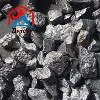
What is metallurgy used for?
Metallurgy is the branch of science and technology that deals with the properties and behavior of metals and their mixtures, known as alloys. It involves extracting metals from their ores, shaping them into useful forms, and understanding their various properties to create materials with desirable characteristics. Metallurgy plays a crucial role in our modern world and has applications in a wide range of industries. In this article, we will explore the importance of metallurgy and delve into its various uses and applications.
Introduction to Metallurgy
Metallurgy has a long history that dates back thousands of years. The discovery of metal and the ability to work with it brought significant advancements and revolutionized human civilization. Early humans used metals like copper, gold, and silver for various purposes, such as jewelry, tools, and weapons. However, it was during the Bronze Age (around 3000 BCE) and Iron Age (around 1200 BCE) that metallurgy truly began to emerge as a distinct science.
Metallurgy involves several key processes, including mining, extraction, refining, casting, alloying, and heat treatment. These processes allow scientists and engineers to manipulate metals to meet specific requirements. Metallurgical advancements have played a paramount role in the development of numerous industries and technological innovations.
Applications of Metallurgy**
1. **Manufacturing and Construction: The manufacturing and construction industries heavily rely on metallurgy. Metals such as steel and aluminum are essential building materials due to their strength, durability, and versatility. Steel, in particular, is widely used in the construction of bridges, buildings, and infrastructure. Metallurgical processes help in producing high-quality metals with desired properties, resulting in safe and reliable structures.
2. Transportation: Metallurgy has revolutionized the transportation sector. The automotive industry heavily relies on lightweight metals like aluminum and titanium, which offer improved fuel efficiency and performance. Additionally, metallurgy plays a crucial role in the manufacturing of aircraft, ships, and trains, ensuring safety and efficiency by using strong and lightweight materials.
3. Energy Sector: Metallurgy plays a vital role in the energy sector, especially in power generation. Materials such as nickel, cobalt, and iron alloys are used in the production of turbines and generators. Nuclear power plants also heavily rely on metallurgy for the construction of reactors and handling radioactive materials. Furthermore, metallurgy contributes to the development of renewable energy technologies such as solar cells and fuel cells.
4. Electronics and Communication: The electronics and communication industries benefit greatly from metallurgy. Metals like copper and gold are used for electrical wiring and circuitry due to their excellent conductivity. Metallurgy also enables the production of semiconductor materials and components, improving the performance and miniaturization of electronic devices.
5. Medicine and Biotechnology: Metallurgy plays a vital role in the field of medicine and biotechnology. Metals and alloys are used in the manufacturing of medical equipment, such as surgical tools, implants, and prostheses. Titanium, for example, is extensively used for dental implants and joint replacements due to its biocompatibility and exceptional strength.
6. Defense and Security: Metallurgy is crucial in the defense and security sector. Advanced metallurgical processes enable the production of high-strength materials used in the manufacturing of weapons, military vehicles, and protective gear. Metallurgy also contributes to the development of armor materials and bulletproof vests, ensuring the safety of personnel in dangerous situations.
7. Space Exploration: Metallurgy plays a significant role in space exploration. The extreme conditions of outer space require materials that can withstand high temperatures, radiation, and pressure differentials. Metallurgy helps in the development of materials used in spacecraft, satellites, and space probes. Aluminum alloys, for example, are commonly used due to their lightweight nature and resistance to corrosion.
Advancements in Metallurgy
Over the years, metallurgy has evolved through scientific advancements and technological breakthroughs. Materials science and engineering have played a crucial role in enhancing our understanding of metallurgical processes and developing new alloys with improved properties. Some notable advancements include:
1. Nanostructured Materials: Metallurgy has delved into the realm of nanotechnology, leading to the development of nanostructured materials. These materials exhibit unique properties and find applications in various fields, such as electronics, medicine, and energy storage.
2. High-Strength Alloys: Metallurgy has made significant advancements in the production of high-strength alloys. These alloys possess superior mechanical properties, allowing them to withstand extreme conditions and heavy loads. Such alloys find applications in aerospace, automotive, and defense industries.
3. Metal Matrix Composites: Metallurgical advancements have enabled the development of metal matrix composites, where a metal matrix is reinforced with ceramic or carbon fibers. These composites possess exceptional strength, stiffness, and thermal properties, making them ideal for high-performance applications.
4. Surface Engineering: Metallurgy has also focused on surface engineering techniques to enhance the surface properties of metals. Processes like heat treatment, surface coatings, and surface modification improve wear resistance, corrosion resistance, and aesthetic appearance.
5. Recycling and Sustainability: Metallurgy plays a crucial role in recycling metals to reduce environmental impact. Advances in metallurgical techniques have made recycling more efficient and cost-effective, contributing to a more sustainable approach towards resource utilization.
Conclusion
Metallurgy is a multidisciplinary field that has revolutionized various industries and shaped our modern world. Its applications span across manufacturing, construction, transportation, energy, electronics, medicine, defense, and space exploration. Metallurgical advancements continue to push the boundaries of what is possible, resulting in the development of new materials with improved properties and sustainability. As we move towards a more technologically advanced future, metallurgy will remain a fundamental science, driving innovation and progress in numerous fields.