**Introduction
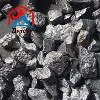
Ferro vanadium is an alloy of iron and vanadium, primarily used as a strengthening agent in the production of steel and other alloys. It is widely used in the construction, automotive, machinery, and aerospace industries.
In this article, we will explore the various applications of ferro vanadium and its significance in the manufacturing sector.
**History of Ferro Vanadium
Ferro vanadium was first discovered in 1803 by Andres Manuel del Rio, a Mexican scientist who named the element erythronium. It was later rediscovered by Swedish chemist Nils Gabriel Sefström in 1830, who named it Vanadium after the Scandinavian goddess Vanadis.
The production of ferro vanadium began in the late 19th century when French chemist Henry Moissan developed a method to produce the alloy by reducing vanadium pentoxide with aluminum in an electric arc furnace.
Since then, the demand for ferro vanadium has increased tremendously due to its unique properties and applications in the manufacturing industry.
**Properties of Ferro Vanadium
Ferro vanadium is an alloy with a composition varying between 35-85% vanadium and 15-65% iron. The most common grade of ferro vanadium is 80% vanadium and 20% iron.
The properties of ferro vanadium depend on its vanadium content and the degree of refinement. The alloy has high strength, hardness, and resistance to wear, corrosion, and heat. It also exhibits good ductility, weldability, and machinability.
**Applications of Ferro Vanadium
1. Steel Production
The primary use of ferro vanadium is in the production of steel. It is added to steel in small quantities to increase its strength, toughness, and resistance to corrosion and wear.
Ferro vanadium is particularly useful in the production of high-strength steels, such as those used in construction and the automotive industry.
Vanadium steel is also used to manufacture cutting tools, gears, springs, and other high-performance components.
2. Aerospace Industry
Ferro vanadium is a critical material in the aerospace industry. It is used to produce titanium alloys, which are commonly used in aircraft engines, landing gear, and other critical components.
Titanium-vanadium alloys offer high strength, stiffness, and resistance to fatigue, making them ideal for use in aerospace applications.
3. Energy Storage
Ferro vanadium is used in energy storage systems, such as redox flow batteries. In these batteries, vanadium ions are used to store and release electrical energy.
Vanadium batteries are highly efficient and have a longer lifespan than traditional lithium-ion batteries. They are also more environmentally friendly and can be recycled.
4. Chemical Industry
Ferro vanadium is used in the chemical industry to produce a variety of chemicals, including catalysts for chemical reactions.
Vanadium-based catalysts are used in the production of sulfuric acid, the most widely used chemical in the world. They are also used in the production of polyethylene, a widely used plastic.
5. Pharmaceutical Industry
Ferro vanadium is also used in the pharmaceutical industry as a catalyst in the synthesis of certain drugs.
Vanadium-based drugs have been shown to have antidiabetic, anticancer, and antimicrobial properties. They are also used in the treatment of osteoporosis and other bone-related diseases.
**Conclusion
Ferro vanadium is a versatile material with a wide range of applications in the manufacturing industry. From steel production to energy storage, aerospace, and pharmaceuticals, the alloy plays a critical role in many important applications.
As the demand for high-performance materials continues to grow, ferro vanadium is likely to become even more important in the years to come. Its unique properties and applications make it a key component in the development of new technologies and products that drive progress and innovation.