Introduction
Electrical steel is one of those products where small details show up later. You can follow the process, hit the target chemistry, and still feel that the results are "not as steady as they should be." That's why ferrosilicon for electrical steel is usually treated less like a basic commodity and more like a controlled input-especially when the goal is stable magnetic performance.
Products Description
Q1: What makes electrical steel "special" compared with regular steel?
The short answer: it's sensitive. Electrical steel is used in motors, transformers, and generators, so consistency matters a lot. Anything that increases inclusions, causes chemistry swings, or makes recovery unstable tends to create extra headaches downstream.
Ferrosilicon sits right in the middle of that. It's not only a source of silicon-it's also something that can quietly introduce unwanted elements if it isn't well controlled.
Q2: Is the key requirement simply "use FeSi75"?
Not always. FeSi75 is common because it delivers silicon efficiently and usually gives a comfortable control window. But the real requirement isn't a single grade-it's predictability.
If the process needs tighter silicon control, FeSi75 often makes that easier. If the steel grade and process window are more forgiving, FeSi72 can do the job well and keep costs reasonable. A lot of plants switch between 75 and 72 depending on their target silicon level and how tight their internal quality control is at that moment.
Q3: Which impurities are the ones people watch most?
Ask anyone working with electrical steel and you'll usually hear the same names: P, S, and Al, sometimes C as well.
It's not that these elements are always "bad," but unexpected levels can change process behavior. If the COA looks fine but the numbers jump around from batch to batch, it often turns into more adjustments, more rechecks, and less comfortable production. In electrical steel, that kind of variation is the real enemy.
Q4: Does particle size matter, or is it just a purchasing detail?
It matters, but mostly because of how the material is added.
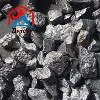
If ferrosilicon is added late in the ladle for a quick correction, smaller sizes (like granules) dissolve faster and give tighter control. If the addition happens earlier and there's time to homogenize, lump material can be perfectly fine and sometimes easier for handling with lower dust loss.
A common problem isn't "wrong size," but mixed size: too many fines in a lump shipment can melt unpredictably and shift recovery.
Q5: Where do FeSi65 and FeSi45 fit in electrical-steel related supply?
FeSi75 and FeSi72 usually carry the main load for electrical steel applications. That said, FeSi65 and FeSi45 still have their place in a broader supply plan.
FeSi65 is often selected for more general metallurgical use where the silicon input doesn't need to be as concentrated. FeSi45 is typically used when a lower silicon input per ton of alloy is preferred, or where the chemistry plan and cost structure make it practical.
So it's not that 65/45 are "wrong for electrical steel"-they're simply used more selectively, depending on how the plant designs its additions.


About Our Products
We supply FeSi 75, FeSi 72, FeSi 65, and FeSi 45, with stable composition, consistent sizing options, and COA support for export shipments. If you share your target silicon range and where you add ferrosilicon (tapping or ladle), we can suggest a grade and size that fits the way your process actually runs.