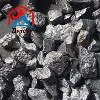
Ferrosilicon Zirconium Specifications: Si, Zr and COA Checks
If you are checking Ferrosilicon Zirconium FeSiZr specifications, you should not judge the material only by product name. FeSiZr can be supplied in different Si/Zr ratios, Zr grades, particle sizes and impurity limits. Before you buy it for foundry or steelmaking use, you need to confirm the actual chemical composition, physical form, COA and application requirement.
Ferrosilicon Zirconium, also written as Ferro Silicon Zirconium or FeSiZr, is a silicon-zirconium ferroalloy mainly made from silicon, zirconium and iron. You can use it when your process needs both silicon and zirconium addition in one alloy material. The final specification should follow your confirmed order and COA, not only a general grade name.
Quick Answer
A Ferrosilicon Zirconium specification normally includes Zr content, Si content, Fe balance, impurity limits, product form, particle size, packing and COA details. The most important purchase items are usually Si/Zr ratio, Zr content, Al, Ca, C, P, S, size range and batch number.
There is no single fixed FeSiZr composition for all applications. Some FeSiZr materials are supplied with lower Zr levels for foundry treatment, while higher-Zr grades may be used when your process requires stronger zirconium addition. For foundry charging, you should also confirm whether the product is supplied as lump, granule or powder.
If you already use a specific FeSiZr grade, you can send your old COA or target specification. We can help compare Si, Zr, impurity limits, size and packing before quotation.
What Does a Ferrosilicon Zirconium Specification Include?
A complete FeSiZr specification should include both chemical composition and physical supply details. Chemical composition tells you whether the material matches your metallurgical requirement. Physical details tell you whether the material matches your charging, storage and handling method.
|
Specification Item |
What You Need to Check |
Why It Matters |
|---|---|---|
|
Product Name |
Ferrosilicon Zirconium / Ferro Silicon Zirconium / FeSiZr | Avoids confusion with ferrosilicon or ferro zirconium. |
|
Main Elements |
Si, Zr, Fe | Confirms that the material supplies both silicon and zirconium. |
|
Zr Content |
Required zirconium grade or target Zr range | Determines zirconium addition level in your process. |
|
Si Content |
Required silicon range | Affects alloy balance and addition calculation. |
|
Impurity Limits |
Al, Ca, C, P, S | Helps you judge whether the material matches your acceptance standard. |
|
Product Form |
Lump, granule, powder or customized size | Should match your feeding and charging method. |
|
COA |
Batch chemical analysis and size information | Final basis for inspection and acceptance. |
Common FeSiZr Grade and Composition Items
FeSiZr grades are often discussed by zirconium content. In actual purchase, you may see different Zr and Si ranges from different suppliers. You should treat the following table as a market reference, then confirm the final values by contract and COA.
| Grade Range | Typical Zr Range | Typical Si Range | Common Purchase Note |
|---|---|---|---|
| Low-Zr FeSiZr | About 1–10% | Confirm by order | Can be considered when your process only needs a lower Zr addition level. |
| FeSiZr15 | Around 15% min or as agreed | Often quoted around 45–60% | Suitable for moderate Zr addition requirements after COA confirmation. |
| FeSiZr18-20 | 18–20% | Often around 40–65% | Used when you need a defined medium Zr range. |
| FeSiZr30-35 | 30–35% | Often around 40–50% | Used when a higher zirconium addition level is required. |
| FeSiZr35-40 | 35–40% | Often around 40–55% | Requires process confirmation before foundry or steelmaking use. |
| FeSiZr40-45 | 40–45% | Often around 40–50% | Usually selected for special Zr addition requirements, not general use without process review. |
You should not assume that every grade in the table is suitable for your foundry. Lower and medium Zr grades may be easier to match with common foundry treatment, while higher Zr grades should be confirmed according to your required zirconium addition, addition method and final COA.


Why Si/Zr Ratio Matters
The Si/Zr ratio is one of the most important parts of a Ferrosilicon Zirconium specification. If you only check Zr content, you may miss how much silicon the material also brings into your melt or steel bath.
| Item | Why You Should Check It |
|---|---|
| High Si / Lower Zr | May be more suitable when your process needs silicon contribution with limited zirconium addition. |
| Balanced Si/Zr | Can be considered when both silicon and zirconium addition need to be controlled together. |
| Higher Zr / Lower Si | May fit special zirconium addition requirements, but you should confirm whether the Si level still matches your process. |
For foundry use, you should check whether the FeSiZr grade matches your iron grade, inoculation-related treatment, addition timing and target casting result. For steelmaking use, you should also consider how Si and Zr affect your alloy balance and acceptance standard.
What Impurities Should You Check in FeSiZr COA?
COA is more important than the product name alone. FeSiZr can have different impurity limits depending on grade and production route. Before you approve a sample or bulk shipment, you should check the actual COA values.
| COA Item | What You Should Confirm | Why It Matters |
|---|---|---|
| Si | Actual silicon content | Helps you calculate silicon contribution. |
| Zr | Actual zirconium content | Confirms zirconium addition level. |
| Al | Residual aluminum limit | May affect acceptance in some foundry or steelmaking processes. |
| Ca | Calcium level | May affect treatment behavior and process response. |
| C | Carbon content | Should match your casting or steelmaking requirement. |
| P | Phosphorus limit | Needs control for downstream acceptance. |
| S | Sulfur limit | Needs control for cleaner melt or steel treatment. |
| Batch Number | Batch traceability | Helps compare sample and bulk shipment. |
FeSiZr Lump Size and Physical Form
FeSiZr specification should include size and form. If you use the material for foundry charging, lump material is usually easier to handle than fine powder. If your process needs more controlled addition, granule or customized size may be more suitable.
| Form | Common Use | What You Should Confirm |
|---|---|---|
| Lump | Foundry furnace charging and bulk addition | Size range, dust level, packing and charging method. |
| Granule | More controlled addition | Granule size and feeding equipment compatibility. |
| Powder | Special fine-material process | Dust control, moisture protection, packing and storage. |
| Customized Size | Order-specific use | Final screening range and tolerance. |
For foundry charging, we can supply Ferrosilicon Zirconium FeSiZr Lump 10-60mm with COA confirmation, 1kg free sample and 1MT jumbo bag packing.
How to Match FeSiZr Specification with Foundry Use
When you choose FeSiZr for foundry use, start from your process instead of only asking for a general FeSiZr price. You should confirm whether your process needs lower Zr addition, medium Zr addition or a higher Zr grade.
| Foundry Requirement | Specification Focus | Purchase Note |
|---|---|---|
| Furnace charging | Lump size, dust level and packing | 10-60mm lump can be considered when you need practical bulk charging. |
| Inoculation-related treatment | Si/Zr ratio and addition method | You should confirm the grade by trial result and COA. |
| Molten metal conditioning | Zr content, Si content and impurity limits | Actual effect depends on furnace condition and addition timing. |
| Higher Zr requirement | Higher Zr grade and COA consistency | Do not use high-Zr FeSiZr without confirming process suitability. |
Sample, COA and Bulk Shipment Consistency
If you need FeSiZr for trial production, a sample is useful before bulk order. You can check appearance, particle size, Si/Zr ratio and COA items first. After sample approval, you should compare the sample COA with the bulk shipment COA.
| Check Point | Sample Stage | Bulk Shipment Stage |
|---|---|---|
| Appearance | Check color, lump condition and fines. | Check packing photos and loading photos. |
| Size | Confirm whether size matches trial feeding. | Confirm screening range and batch consistency. |
| COA | Review Si, Zr and impurity limits. | Compare bulk COA with approved sample COA. |
| Packing | Check sample label and document details. | Check jumbo bag, shipping mark and batch number. |
What to Confirm Before Ordering FeSiZr
To quote Ferrosilicon Zirconium accurately, we need to know your required grade, Si/Zr ratio, size, application, order quantity and document requirement.
| Information to Send | Example |
|---|---|
| Required Grade | FeSiZr15, FeSiZr18-20, FeSiZr30-35 or customized grade. |
| Required Si/Zr Ratio | Send your target COA or old specification. |
| Product Form | Lump, granule, powder or customized size. |
| Application | Foundry charging, molten metal treatment or steelmaking. |
| Order Quantity | Trial order or bulk order. |
| Packing Requirement | 1MT jumbo bag, drum or customized packing. |
| Documents | COA, MSDS, Packing List, Invoice and inspection report. |
If you are not sure which FeSiZr grade is suitable, send us your application, target Zr content, current alloy addition method and required COA items. We can help you confirm whether our FeSiZr material matches your process before quotation.
FAQ
What is included in a Ferrosilicon Zirconium specification?
A Ferrosilicon Zirconium specification usually includes Si content, Zr content, Fe balance, impurity limits, product form, particle size, packing method and COA details. You should confirm these items before purchase.
Is there one fixed FeSiZr standard composition?
No. FeSiZr can be supplied in different Si and Zr ranges according to grade and application. You should confirm the final composition by contract and COA.
What FeSiZr grade should I choose for foundry use?
You should choose the FeSiZr grade according to your foundry process, required Zr addition, Si contribution, addition method and trial result. Lower and medium Zr grades may be easier to match with common foundry use, while higher Zr grades need process confirmation.
Why should I check both Si and Zr content?
You should check both Si and Zr because FeSiZr supplies silicon and zirconium together. If you only check Zr content, you may miss the silicon contribution to your melt or steel bath.
What impurities should I check in FeSiZr COA?
You should check Al, Ca, C, P and S, along with Si and Zr. These items help you confirm whether the material matches your foundry or steelmaking acceptance standard.
Can FeSiZr be supplied as 10-60mm lump?
Yes. FeSiZr can be supplied as lump material, including 10-60mm size for foundry charging. The final size range should be confirmed before shipment.
Why is COA important for FeSiZr purchase?
COA confirms the actual chemical composition, size information, batch number and inspection date. It helps you compare sample and bulk shipment before acceptance.
Can I send an old COA for FeSiZr matching?
Yes. If you already use a specific FeSiZr grade, you can send your old COA or target specification. We can compare Si, Zr, impurity limits and size to confirm whether our material can match your requirement.
What information should I provide for FeSiZr quotation?
You should provide the required grade, Si/Zr ratio, particle size, application, order quantity, destination port, packing requirement and documents needed. This helps us quote the correct specification.
Is FeSiZr the same as ferrosilicon?
No. Ferrosilicon mainly supplies silicon and iron, while FeSiZr supplies silicon, zirconium and iron. You should choose FeSiZr when your process needs zirconium addition together with silicon.