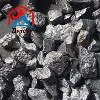
Zirconium is generally silvery white. Zirconium is a passivating metal. The passivation film formed on its surface is very dense and can withstand most organic acids, inorganic acids, strong alkalis, molten salts, high-temperature water and liquids. Corrosion of metals. But it is not resistant to corrosion by hydrofluoric acid, concentrated sulfuric acid, concentrated phosphoric acid, aqua regia, bromine water, warm chlorine and oxidizing chlorides (such as copper chloride, iron oxide solution).

At very high temperatures, zirconium can react with many metallic and non-metallic elements, and solid solution compounds will be formed after the reaction. Zirconium has strong plasticity and can be easily processed into various shapes, such as plates and wires. Zirconium can also be used as a hydrogen storage material. A hydrogen storage material is a material that can quickly absorb hydrogen under a certain temperature and hydrogen pressure, and can release hydrogen when heated appropriately or the hydrogen pressure is reduced. Zirconium can Very good at absorbing oxygen, hydrogen, nitrogen and other gases.

Zirconium has relatively strong corrosion resistance, and its corrosion resistance is better than titanium. The content of zirconium in the earth's crust ranks 19th among all elements, almost equal to the content of chromium. Zirconium is widely distributed in nature. Generally speaking, zirconium ores with industrial value are usually zirconium and orthozircon. Zirconium is widely used in fire-resistant materials (called zirconate fire bricks, such as zirconium steel bricks, etc.), casting sand (precision sand (precision casting sand molds)), ceramics and enamelware, in addition Also used in metals (zirconium sponge), alloys, glass and compounds (zirconium dioxide, zirconium oxychloride, sodium zirconate, potassium fluozirconate, zirconium sulfate, etc.).