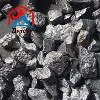
Aluminum Alloys: Silicon is commonly used as an alloying agent in aluminum production. It improves the fluidity, strength, and corrosion resistance of aluminum, making it suitable for automotive, aerospace, and architectural applications.
Semiconductors: Silicon is a key material in the electronics industry. It is used to manufacture semiconductors, which are essential for integrated circuits, transistors, and various electronic devices.
Solar Cells: Silicon is a fundamental component in the production of photovoltaic (PV) cells for solar panels, allowing the conversion of sunlight into electricity.
Silicones: Silicon metal is used to produce silicones, which are used in sealants, adhesives, lubricants, and coatings due to their durability, flexibility, and resistance to heat and moisture.
Steel Production: In metallurgy, silicon acts as a deoxidizer in steel-making processes, helping to remove oxygen and improve the quality of steel and iron products.
Chemical Industry: Silicon is a precursor for various silicon-based chemicals, including silanes and silicates, which have applications in coatings, adhesives, and other materials.
Batteries: Silicon is being explored as an anode material in lithium-ion batteries, enhancing their capacity and overall performance.
Ceramics and Composites: Silicon metal is used in the production of advanced ceramics and composite materials, which can withstand high temperatures and provide excellent mechanical properties.
Additive Manufacturing: Silicon metal powder can be utilized in 3D printing processes for creating metal components with desirable properties.
Refractories: Silicon is used in refractory materials that can withstand high temperatures, making it essential for applications such as furnace linings.
These applications highlight