Price Table (USD/ton)
| Product | Grade | Quotation (USD/ton) | Change | Transaction Price (USD/ton) | Change | Terms |
|---|---|---|---|---|---|---|
| Electrolytic Manganese Metal | 99.70% | 2635-2645 | ↓20 | 2635-2645 | ↓20 | Tianjin Port, FOB |
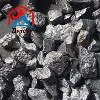
Electrolytic manganese metal flakes are an important input for buyers who need a high-purity manganese source with controlled chemistry and predictable performance in downstream metallurgy. Today's export indications for electrolytic manganese metal flakes (99.70%) on a FOB Tianjin Port basis are assessed at USD 2635-2645/ton, with both the quotation and mainstream transaction levels down by USD 20/ton from the previous reference point.
A small downward move like this often reflects a market that is not collapsing, but recalibrating. When prices ease by a modest increment, it usually indicates that buyers are testing lower levels, sellers are willing to move cargo, and near-term demand is not strong enough to force a firm rebound immediately. For importers, the important question is not only "where is the low," but "what does this move tell me about buying timing and supply reliability."
What the price move suggests about current buying behavior
A USD 20/ton decline in both quoted and transacted levels suggests the market is finding clearance at slightly lower numbers. In many commodity-style export markets, this typically occurs when buyers shift from active restocking to cautious coverage purchasing. Instead of building inventory, buyers purchase only for confirmed orders or short-term production needs, waiting for clearer direction before committing to larger volumes.
At the same time, sellers may accept small concessions to keep shipments moving and maintain order flow. When both quotation and transaction levels decline together, it indicates that the market is not just "talking lower," but actually trading lower. That makes the move more meaningful for buyers who are planning near-term bookings.
Why electrolytic manganese metal flakes pricing can soften
In electrolytic manganese metal, pricing changes are usually connected to a combination of downstream demand and supply-side cost reality. Without overcomplicating the story, these are the most common drivers behind a modest downward adjustment:
Near-term demand rhythm
Manganese metal flakes buyers often work on production schedules and inventory cycles. When the buying rhythm slows, sellers have less leverage to keep offers firm, and small price slips can occur even without a major fundamental shift.
Cautious restocking and negotiation pressure
When buyers believe the market is balanced or slightly long, they tend to push for incremental reductions. Sellers may meet the market to close deals, especially if they want to secure shipment slots or maintain stable output plans.
Trade execution and shipment planning
For FOB cargo, logistics planning matters. When multiple shipments are scheduled through the same export window, sellers may be more flexible on price to keep execution smooth. Buyers can often achieve better terms by aligning booking decisions with shipment availability rather than reacting late.
How to interpret "quotation" versus "transaction price"
It is helpful that both the quotation range and the mainstream transaction range are aligned at USD 2635-2645/ton. When these ranges overlap closely, it generally indicates that the market is trading within the advertised range and that there is not a large hidden spread between "ask" and "done." For buyers, this can simplify procurement decisions: you can negotiate within a known band and focus on specification and shipment execution rather than spending time trying to discover an unknown clearing level.
Buying guidance for importers right now
When prices move down modestly, buyers often have two workable strategies, depending on their inventory and urgency:
- If you are covered for the short term, you can remain disciplined and monitor whether sellers continue to soften.
- If you have near-term demand and want to reduce risk, today's lower level can be used to secure a shipment with clear acceptance terms and reliable execution.
Either way, the highest-value procurement move is to make the shipment acceptance and traceability clear. Electrolytic manganese metal flakes are typically bought for controlled chemistry. That means buyers should require batch-linked documentation, consistent packing marks, and export-ready packing that protects the product through transit. In a market that is easing, the strongest advantage is often not chasing the last dollar, but securing a repeatable supply routine that reduces claims and variability.
FAQ
Q1: What is the export price of electrolytic manganese metal flakes (99.70%) today?
A: USD 2635-2645/ton, FOB Tianjin Port, with both quotation and transaction levels down USD 20/ton.
Q2: What does a USD 20/ton decline usually indicate?
A: It often reflects softer buying interest and cautious restocking, with sellers accepting small concessions to clear volume.
Q3: Why do quotation and transaction prices matter?
A: Quotation shows the offered range; transaction price shows where deals are actually closing. When they match closely, the market is more transparent.
Q4: What should importers confirm besides price?
A: Product grade, batch-linked COA, packing marks matching documents, packing integrity, and shipment schedule.
Q5: How can buyers reduce claims risk?
A: Require clear acceptance terms, batch-linked traceability, and export packing that reduces damage and labeling issues.
Q1: What is the export price of electrolytic manganese metal flakes (99.70%) today?
A: USD 2635-2645/ton, FOB Tianjin Port, with both quotation and transaction levels down USD 20/ton.
Q2: What does a USD 20/ton decline usually indicate?
A: It often reflects softer buying interest and cautious restocking, with sellers accepting small concessions to clear volume.
Q3: Why do quotation and transaction prices matter?
A: Quotation shows the offered range; transaction price shows where deals are actually closing. When they match closely, the market is more transparent.
Q4: What should importers confirm besides price?
A: Product grade, batch-linked COA, packing marks matching documents, packing integrity, and shipment schedule.
Q5: How can buyers reduce claims risk?
A: Require clear acceptance terms, batch-linked traceability, and export packing that reduces damage and labeling issues.
About Our Company
We are a factory direct supply partner with stable monthly supply capacity and a factory area of about 30,000 m². Our products are exported to 100+ countries and regions, and we have served 5,000+ customers. Our sales team understands industry dynamics and market trends, and we supply ferrosilicon, silicon metal, and other metallurgical products.
Why Choose Us
- Procurement-ready execution: We align specification confirmation, documents, and shipment planning so buyers can book smoothly and reduce clearance delays.
- Batch-linked traceability for controlled acceptance: COA lot numbers match packing marks and shipping documents, helping you manage inventory by lot and prevent disputes.
- Stable supply for repeat orders: We emphasize consistent lot behavior and practical coordination for buyers who purchase regularly.
- Export packing discipline: Strong packing and clear labeling reduce damage, leakage, and avoidable claims during transit.
- Responsive technical support: Quick answers on grade acceptance, documentation needs, and shipment timing to reduce procurement risk.