Quick Answer
You should choose zinc wire diameter according to your coating equipment, feeding wheel size, spray gun setup, workpiece surface area, coating speed and anti-corrosion requirement.
If your coating work focuses on small repaired parts or light industrial surfaces, 1.6mm zinc wire is usually easier to handle. If your equipment is built for regular arc spray feeding, 2.0mm zinc wire is often a practical choice. If your project involves medium-size steel frames or outdoor equipment parts, 2.5mm zinc wire can give better material output without becoming too heavy to manage. If your coating area is large or your project needs heavier zinc layer formation, 3.18mm zinc wire may be more suitable, but only when your equipment supports it.
The safest rule is simple: follow your equipment feeding size first, then match the wire diameter with your coating area, coating speed and project standard.
Why You Should Choose Diameter Before Comparing Price
You may ask for zinc wire price first, but in industrial coating, we suggest confirming the diameter before comparing price. If the wire does not match your equipment, a lower price per kg will not really reduce your coating cost.
When the wire is too small for a wide surface, your operators may need more passes to build the coating layer. When the wire is too large for the feeding system, your team may face feeding resistance, guide tube mismatch, feeding wheel marks, or repeated spray gun adjustment.
These problems do not always stop the job immediately. The coating gun may still run, but your operators may stop more often, adjust the feeding pressure, cut off bent wire sections, check the spool, or clear wire resistance during spraying. Over one working shift, these small interruptions can slow your coating schedule.
That is why we do not suggest choosing zinc wire only by purity or price. You should check the real coating condition first.
Zinc Wire Diameter Selection by Coating Situation
| Your Coating Situation | Better Diameter Direction | Why It Fits |
|---|---|---|
| Small steel parts, covers and repaired areas | 1.6mm | Easier handling when your workpieces change frequently |
| Regular workshop arc spray coating | 2.0mm | Common size for stable feeding in many coating systems |
| Medium steel frames or outdoor equipment parts | 2.5mm | More material output than smaller wire, while still practical to handle |
| Large anti-corrosion coating area | 3.18mm | Higher material feeding for wider surfaces and heavier coating work |
| Your equipment manual gives a fixed size | Follow the equipment requirement | Feeding system compatibility should come first |
| You are testing a new coating project | Confirm with equipment and supplier first | Wrong diameter can cause feeding and coating efficiency problems |
You can use this table as a first selection reference. Final diameter should still follow your equipment feeding range and coating standard.
How Each Zinc Wire Diameter Works in Real Coating Jobs

1.6mm Zinc Wire: Easier for Small Parts and Repair Work
You can choose 1.6mm zinc wire when your coating work is light, flexible, or based on small parts. This diameter is easier to handle when your operators need to change workpieces many times during the day.
It is suitable for small steel brackets, repaired metal parts, equipment covers and workshop surface protection. In these jobs, your coating area is usually limited, so easy feeding and simple handling matter more than high material output.
For 1.6mm zinc wire, you should pay attention to wire straightness, spool winding and diameter tolerance. If the spool is loose or the wire has bent sections, your operator may need to stop, cut the wire end and reset the feeding path.
A suitable product direction is:
Pure Zinc Wire 99.9% 1.6mm for Industrial Coating
2.0mm Zinc Wire: Practical for Regular Arc Spray Feeding
You can use 2.0mm zinc wire for regular arc spray coating when your feeding wheels, guide tube and spray gun setup support this size. It gives more material output than 1.6mm while still remaining easy to manage in daily coating work.
For many coating workshops, 2.0mm is selected because it gives stable feeding rather than maximum output. If your project is not too small and not heavy enough for 3.18mm wire, 2.0mm can be a practical middle choice.
For 2.0mm wire, we suggest checking spool winding condition carefully. If the wire layer crosses on the spool, your operator may feel pulling resistance during continuous spraying. This can cause feeding interruption even when the wire purity is correct.
A suitable product direction is:
2.0mm Zinc Wire for Stable Arc Spray Wire Feeding

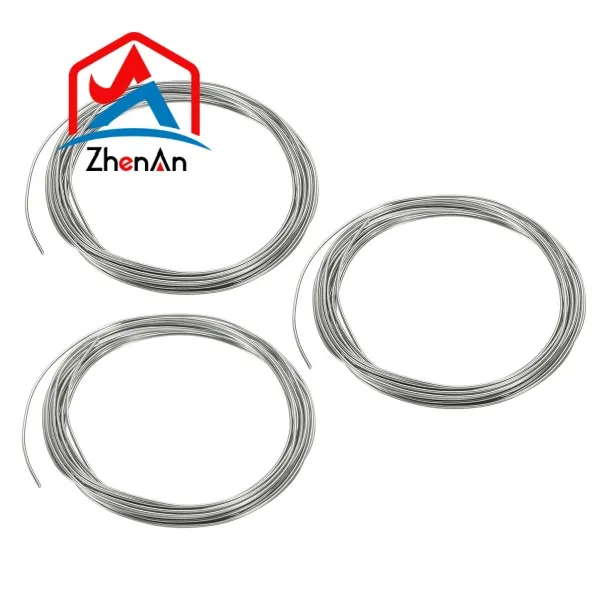
2.5mm Zinc Wire: Better Balance for Medium Anti-Corrosion Work
You can choose 2.5mm zinc wire when your coating project needs more material output than smaller wire sizes, but your team does not want to move to heavier wire.
This diameter is useful for medium-size steel frames, outdoor equipment parts, fabricated steel components and industrial anti-corrosion coating. When your surface area becomes wider, smaller wire can still work, but your operators may need more time to cover the surface. If your equipment supports 2.5mm feeding, this wire diameter can help your team keep a better coating pace.
For 2.5mm zinc wire, you should confirm equipment feeding size and package weight together. A correct wire diameter with unsuitable spool or drum packing can still create feeding resistance.
A suitable product direction is:
High Purity Zinc Wire 99.995% 2.5mm for Anti-Corrosion Coating
3.18mm Zinc Wire: For Larger Surfaces and Heavier Coating
You can use 3.18mm zinc wire when your project needs higher material output, larger coating coverage, or heavier anti-corrosion protection. This size is more common in larger thermal spray metallizing projects and wide-area coating work.
It can be used for large steel structures, heavy equipment surfaces, marine-related metal protection, bridge components and large industrial parts. But you should not choose 3.18mm only because it provides higher output. Your equipment must support the feeding load, spool or drum size and spray setup.
If your equipment is not designed for 3.18mm wire, the larger diameter may create more adjustment work instead of improving coating efficiency.
A suitable product direction is:
Zinc Wire 99.995% 3.18mm for Thermal Spray

Diameter, Purity and Application Reference
| Diameter | Common Purity Direction | Suitable Use | Main Selection Focus |
|---|---|---|---|
| 1.6mm | 99.9% / 99.99% | Light coating, repair work, small parts | Easy handling, wire straightness, spool condition |
| 2.0mm | 99.99% | Regular arc spray coating | Feeding stability, equipment matching, spool winding |
| 2.5mm | 99.995% | Medium anti-corrosion coating | Output balance, purity, packing form |
| 3.18mm | 99.995% | Heavy thermal spray or large anti-corrosion surfaces | Equipment capacity, coating standard, material output |
You can use this table to compare common diameter directions. If your coating project has a fixed standard for zinc purity or wire diameter, follow that standard first.
A Practical Example From Coating Work
In one coating project we supported, the workshop handled two different types of jobs in the same period. One batch was small repaired steel covers and brackets. Another batch involved outdoor equipment frames with wider surfaces.
For the smaller repaired parts, the operators preferred a smaller zinc wire diameter. They needed to turn parts frequently, clean the surface, spray a limited area, and move to the next piece. In this situation, 1.6mm wire was easier to handle and did not require high material output.
For the outdoor equipment frames, the same smaller wire could still work, but the coating progress became slow. The operators needed more passes to cover wider surfaces. After checking the feeding range of their coating equipment, we suggested moving to 2.5mm zinc wire for this type of job. It gave more material output while still staying within the machine's feeding capability.
This is why your workshop may need more than one zinc wire diameter. The right choice can change with your workpiece size, coating area, equipment setup and required coating speed.
Common Problems When the Diameter Does Not Match
| Problem During Coating | Possible Reason | What You Should Check First |
|---|---|---|
| Feeding resistance | Wire diameter does not match your feeding system | Feeding wheel, guide tube and spray gun size |
| Wire surface marks | Feeding pressure is too tight | Diameter tolerance and wheel pressure |
| Slow coating progress | Wire is too small for your surface area | Coating area and material output requirement |
| Frequent stop-and-adjust work | Wrong diameter or poor spool winding | Wire size, spool winding and wire straightness |
| Hard handling during spraying | Wire is too large for your equipment or operator setup | Equipment capacity and package weight |
| Unstable coating preparation | Diameter, surface condition or packing issue | Wire surface, purity, spool or drum condition |
This table is useful when your coating team already has problems during spraying. You can compare the symptom with your equipment setting before changing wire grade or supplier.
Details That Affect Zinc Wire Diameter Selection
Before you choose a zinc wire diameter, check the conditions that directly affect coating work. This is more useful than asking for a general "best diameter."
| Selection Detail | Why It Matters |
|---|---|
| Equipment feeding size | Your wire must match feeding wheels, guide tubes and spray gun setup |
| Coating method | Arc spray, thermal spray and repair coating may use different wire sizes |
| Workpiece surface area | Small parts can use smaller wire; wider surfaces may need higher material output |
| Coating speed | Larger wire can improve output only when your equipment supports it |
| Zinc purity | Purity should match your coating standard, not only the diameter |
| Spool or drum size | Poor packing can still cause feeding resistance even if diameter is correct |
| Project standard | Some anti-corrosion projects specify wire diameter and purity clearly |
If you are not sure which zinc wire diameter fits your coating work, you can send us your equipment feeding size, coating method, workpiece type and required zinc purity. We can help you check whether 1.6mm, 2.0mm, 2.5mm or 3.18mm zinc wire is more suitable.
How We Help You Choose Zinc Wire
We help you choose zinc wire based on actual coating use, not only product name.
If your project focuses on small-part coating, we can help check whether 1.6mm wire is suitable. If your arc spray equipment needs regular feeding stability, 2.0mm wire can be matched according to your feeding system. If your anti-corrosion coating project needs more material output, 2.5mm or 3.18mm wire can be checked according to your equipment capacity and project standard.
For zinc wire orders, we can help you review diameter, purity, surface condition, spool or drum packing, COA and shipment documents. If your team needs to check the packing condition before delivery, packing photos can be arranged before dispatch.
Company Profile

About ZHEN AN INTERNATIONAL
Zhenan is a professional enterprise engaged in metallurgical and refractory materials products, integrating production, processing, sales and import and export. We own our own factory, covering an area of 30,000 square meters, with an annual production and sales volume of over 150,000 tons.


FAQ
Q: What zinc wire diameter should I choose for industrial coating?
A: You should choose zinc wire diameter according to your coating equipment, feeding system, workpiece size and coating area. Common options include 1.6mm, 2.0mm, 2.5mm and 3.18mm.
Q: Is 1.6mm zinc wire suitable for coating?
A: Yes. 1.6mm zinc wire is suitable for light coating, repair work and smaller steel parts when your equipment supports this feeding size.
Q: When should I use 2.0mm zinc wire?
A: You can use 2.0mm zinc wire for regular arc spray coating and daily industrial coating work where stable feeding is important.
Q: Why choose 2.5mm zinc wire?
A: 2.5mm zinc wire provides more material output than smaller wire sizes while remaining easier to handle than heavier wire. It is suitable for medium anti-corrosion coating projects.
Q: When is 3.18mm zinc wire better?
A: 3.18mm zinc wire is more suitable for large surface coating, heavy anti-corrosion work and thermal spray metallizing projects if your equipment supports this size.
Q: Does zinc wire diameter affect coating speed?
A: Yes. A larger wire can increase material output, but only when your equipment is designed for that diameter.
Q: What should I check before choosing zinc wire diameter?
A: You should check equipment feeding size, coating method, workpiece surface area, required purity, spool or drum packing and project standard.