Quick Answer
You should choose Silicon Metal 553 when your aluminum alloy production needs regular silicon addition and your formula can accept its Fe, Al and Ca range. It is usually a practical option when you want to control material cost.
You should choose Silicon Metal 441 when your aluminum alloy formula needs lower impurity input, especially lower Fe, Al and Ca levels. It is more suitable when your production standard is stricter and your quality team needs better COA control.
The key difference is not only price. You should compare Si content, Fe, Al, Ca, batch COA, lump size and your internal alloy formula before choosing between 553 and 441.
Why 553 and 441 Are Often Compared
Silicon Metal 553 and Silicon Metal 441 are both commonly used in aluminum alloy production. They can both supply silicon into the melt, but they do not bring the same impurity level.
If your production only needs regular silicon addition, 553 may be enough. If your aluminum alloy formula is sensitive to Fe, Al or Ca variation, 441 may be safer.
In our supply work, we often see this situation: you ask for Silicon Metal 553 first because the price looks more attractive, but after checking your internal Fe or Ca limits, 441 becomes a better match. Sometimes the opposite also happens. You may ask for 441, but your actual formula does not need such strict impurity control, so 553 can help you reduce material cost.
That is why we do not suggest choosing only by grade name. You should match the grade with your real furnace practice and alloy specification.
Silicon Metal 553 vs 441 Composition Difference
| Item | Silicon Metal 553 | Silicon Metal 441 |
|---|---|---|
| Si | 98.5% Min | 99.0% Min |
| Fe | 0.50% Max | 0.40% Max |
| Al | 0.50% Max | 0.40% Max |
| Ca | 0.30% Max | 0.10% Max |
| Common Size | 10–100mm lump | 10–100mm lump |
| Main Use | Regular aluminum alloy smelting | Aluminum alloy production with better impurity control |
| Purchase Focus | Cost control and acceptable impurity range | Lower Fe, Al, Ca and COA consistency |
The above data is a common reference. Actual values should be checked by batch COA. If your plant has stricter internal limits, send us your required range before we match stock.
What the Grade Numbers Mean in Practice
The difference between 553 and 441 is mainly reflected in Fe, Al and Ca limits.
For 553, the grade usually means:
- Fe ≤ 0.50% Al ≤ 0.50% Ca ≤ 0.30%
For 441, the grade usually means:
- Fe ≤ 0.40% Al ≤ 0.40% Ca ≤ 0.10%
This means 441 brings lower impurity input into your aluminum alloy melt. The Ca difference is especially clear. If your alloy formula is sensitive to calcium variation or your production already uses mixed/recycled aluminum raw materials, 441 may reduce extra adjustment pressure.
But if your production formula can accept the 553 impurity range, 553 may be more economical.
When Silicon Metal 553 Is a Better Fit
You can choose Silicon Metal 553 when your aluminum alloy production needs a regular silicon source and your formula does not require very low Fe, Al or Ca.
553 is often used when your goal is:
Regular silicon addition Cost-controlled aluminum alloy smelting General casting aluminum alloy production Furnace charging with 10–100mm lump material COA review without very strict impurity limits
For many aluminum alloy plants, 553 is practical because it provides enough silicon input while keeping the purchasing cost under control. If your quality team only needs standard 553 COA and your formula has enough tolerance for Fe, Al and Ca, you may not need to pay more for 441.
When Silicon Metal 441 Is a Better Fit
You should consider Silicon Metal 441 when your alloy formula needs lower impurity input or your quality inspection is stricter.
441 is more suitable when you care about:
Lower Fe input Lower Al input Much lower Ca level than 553 More stable impurity control Stricter aluminum alloy production standard COA review before shipment
If your plant uses recycled aluminum or mixed raw material, the impurity background may already be complicated. In that case, the Fe and Ca brought by silicon metal should be checked carefully. Choosing 441 can help reduce the impurity burden from the silicon source.
You do not always need 441, but when your formula is sensitive, it can be a more reliable choice.
553 or 441: How to Match Your Aluminum Alloy Production
| Your Production Situation | More Suitable Grade | Why |
|---|---|---|
| Your formula accepts regular Fe/Al/Ca range | Silicon Metal 553 | More cost-controlled for regular silicon addition |
| Your Fe limit is stricter | Silicon Metal 441 | Lower Fe input helps formula control |
| Your Ca limit is important | Silicon Metal 441 | Ca limit is much lower than 553 |
| You use recycled aluminum raw material | Check 441 first | Existing impurity background may already be high |
| You mainly focus on material cost | Silicon Metal 553 | Better option if COA meets your standard |
| Your quality team needs tighter COA review | Silicon Metal 441 | Easier to match stricter chemical control |
| You are testing a new formula | Compare both grades | COA and trial result can guide final choice |
You can use this table as a first judgment. Final selection should follow your internal alloy formula and incoming inspection requirement.
How Fe, Al and Ca Affect Your Choice
Fe: Check It Before You Compare Price
Iron is one of the most important elements to check when you compare 553 and 441. If your aluminum alloy formula has a strict Fe limit, you should not only compare the price difference. A lower-priced 553 batch may create more correction work if Fe is close to your internal limit.
Al: Do Not Ignore It Because Aluminum Is Already in the Melt
Some people ignore Al in silicon metal because the production itself is aluminum alloy smelting. But your formula still has a target composition range. If your process requires controlled addition, you should check Al in the COA together with Fe and Ca.
Ca: The Difference Between 553 and 441 Is Clear
Ca is often the element that makes 441 more attractive for stricter aluminum alloy production. 553 commonly allows higher Ca, while 441 gives a lower Ca limit. If your production is sensitive to Ca variation, this difference can matter.
Chemical Index Selection Table
| Element | Why It Matters in Aluminum Alloy Production | What We Suggest |
|---|---|---|
| Si | Main silicon source for alloy composition adjustment | Confirm whether Si content meets your addition target |
| Fe | May affect formula correction and impurity control | Check Fe limit before choosing 553 only by price |
| Al | Part of the chemical profile you still need to control | Review actual COA data, not only grade name |
| Ca | Can affect melt adjustment in some production conditions | Choose 441 if your Ca limit is strict |
| Full COA | Helps your team check whether the batch can enter production | Ask for batch data before shipment |
Lump Size and Furnace Charging
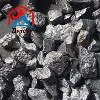
Both 553 and 441 are commonly supplied in 10–100mm lump form for aluminum alloy furnace charging.
Size matters because your team needs to store, weigh and charge the material smoothly. If the lumps are too large, feeding can become slower. If there are too many fines, you may face dust, weighing loss and extra cleaning around the charging area.
When you compare 553 and 441, do not compare chemical grade only. You should also check:
Lump size range Fines condition Packing method Material appearance Batch COA Loading photos if needed
A grade that looks suitable on paper still needs the right physical condition for your furnace operation.
A Practical Example From Aluminum Alloy Smelting
In one aluminum alloy project we supported, the customer first asked for Silicon Metal 553 because their main goal was cost control. Their normal production could accept regular 553 grade, but one new alloy formula had a lower Ca limit.
At first, they wanted to keep using 553 for all batches. After checking the formula requirement and previous incoming inspection records, we found that Ca variation could create extra adjustment work for the new product. For the regular production line, 553 was still suitable. For the stricter formula, 441 was safer.
We helped them separate the two requirements. They used 553 for the regular alloy production and checked 441 for the stricter batch. Before shipment, they reviewed COA data, lump size condition and packing photos.
This reduced unnecessary cost for regular production while avoiding impurity risk in the stricter formula. The key was not choosing one grade for everything, but matching the grade to each production requirement.
How to Choose Between 553 and 441 Before Quotation
This page is not only about comparing two grade names. You need to connect the grade with your actual production condition.
| Selection Detail | Why It Matters |
|---|---|
| Alloy formula | Different formulas may accept different Fe, Al and Ca levels |
| Internal impurity limits | Your plant standard may be stricter than general market grade |
| Raw material background | Recycled aluminum may already bring impurity variation |
| Furnace charging method | Lump size and fines condition affect handling |
| COA review process | Your quality team may need batch data before shipment |
| Cost target | 553 may be more economical if impurity range is acceptable |
| Product standard | 441 may be safer for stricter production requirements |
If you are not sure which grade fits your aluminum alloy production, you can send us your required Fe, Al, Ca limits, size range, order quantity and application. We can help you check whether 553 or 441 is more suitable.
How We Help You Match the Right Grade
We help you choose silicon metal based on your actual aluminum alloy production, not only the grade name.
If your production needs regular silicon addition and cost control, we can check Silicon Metal 553 stock and COA data. If your formula requires lower Fe, Al or Ca, we can help compare Silicon Metal 441 with 553 according to your internal limits.
For both grades, we can help you review chemical data, lump size, fines condition, packing method and shipment documents. If your team needs to check material appearance before loading, packing photos or loading photos can be arranged.
Company Profile

About ZHEN AN INTERNATIONAL
Zhenan is a professional enterprise engaged in metallurgical and refractory materials products, integrating production, processing, sales and import and export. We own our own factory, covering an area of 30,000 square meters, with an annual production and sales volume of over 150,000 tons.


FAQ
Q: What is the main difference between Silicon Metal 553 and 441?
A: The main difference is Fe, Al and Ca content. Silicon Metal 441 usually has lower impurity limits than 553, especially Ca.
Q: Is Silicon Metal 553 suitable for aluminum alloy production?
A: Yes. You can use Silicon Metal 553 for regular aluminum alloy production if its Fe, Al and Ca values match your formula.
Q: When should I choose Silicon Metal 441 instead of 553?
A: You should choose Silicon Metal 441 when your aluminum alloy formula needs lower Fe, Al or Ca input, or when your quality inspection standard is stricter.
Q: Is Silicon Metal 441 always better than 553?
A: Not always. 441 has better impurity control, but 553 may be more cost-effective when your formula accepts its chemical range.
Q: Does Silicon Metal 441 cost more than 553?
A: Usually yes, because 441 has lower Fe, Al and Ca limits. Actual price also depends on stock, size, packing and destination port.
Q: What size can you supply for Silicon Metal 553 and 441?
A: 10–100mm lump is a common export size. Other size ranges can be discussed according to stock and screening condition.
Q: What should I send if I need help choosing between 553 and 441?
A: You can send your required Fe, Al, Ca limits, order quantity, size range, application and destination port. We can help check the suitable grade and quotation.